
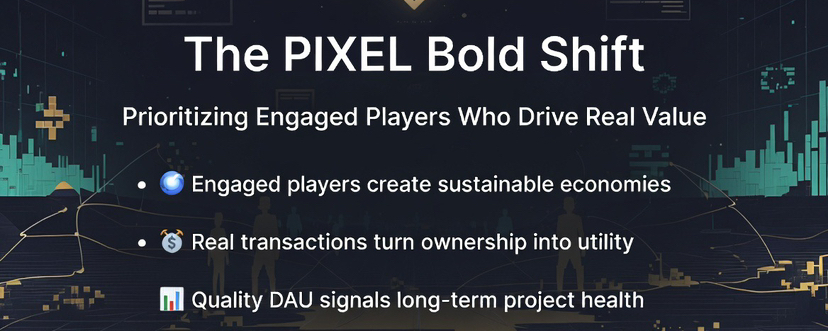
The crypto and Web3 space has long chased flashy numbers: skyrocketing token prices, massive wallet counts, and viral hype cycles. Yet many projects discover the hard way that quantity without quality leads nowhere sustainable. The real shift underway prioritizes high quality daily active users (DAU) engaged players and participants who actually use the protocol, drive transactions, and create lasting value. This isn’t just a nice-to-have metric. It marks a bolder, more mature approach in blockchain gaming and digital asset ecosystems, where genuine activity trumps inflated user counts.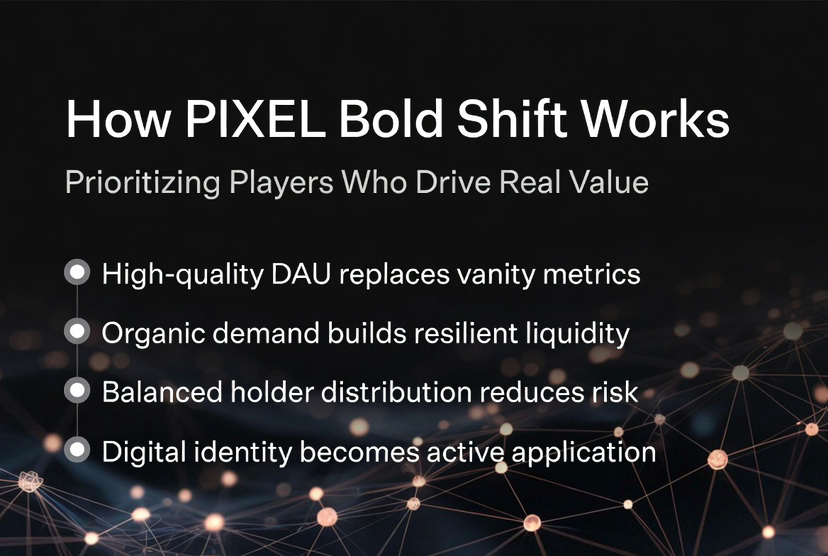
At the heart of this discussion lies a persistent gap: the divide between digital ownership and real-world application. Blockchain gives users verifiable ownership of assets whether avatars, land plots, collectibles, or tokens representing identity-like elements. You can prove you hold it on-chain, with immutable records and self custody. But ownership alone often stops there. How many holders actually bridge that asset into meaningful transactions or utility? Too often, digital identity remains a static trophy in a wallet rather than a dynamic tool for commerce, governance, or daily interactions. The true test comes when that ownership translates into repeated, value-generating actions: trading in game goods, staking for ecosystem rewards, or leveraging assets in cross protocol deals. Closing this gap separates speculative experiments from protocols with staying power.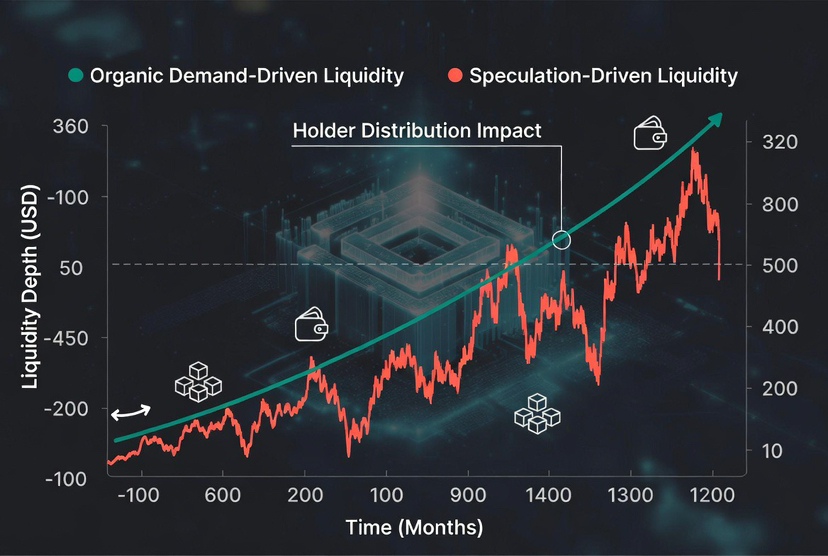
Consider what high-quality DAU really signals. It’s not raw wallet addresses logging in once for an airdrop farm. It’s users returning daily because the experience delivers tangible engagement farming resources, building communities, or participating in economies that feel rewarding beyond price charts. In blockchain-based social farming or exploration environments, this shows up as consistent on-chain activity: minting items, completing quests, or contributing to shared worlds. These engaged players don’t just hold; they transact, provide liquidity, and reinforce network effects. Low quality volume, by contrast, often masks bots, mercenary farmers, or one time speculators who dump at the first opportunity.
Market signals reveal this distinction sharply. Liquidity tells a story of real demand. Healthy liquidity pools allow smooth entry and exit without massive slippage, reflecting organic interest rather than manufactured hype. Thin liquidity paired with volatile swings usually points to concentrated speculation. Holder distribution matters just as much. A project with thousands of small, distributed holders demonstrates broader participation and resilience. When a handful of wallets control large portions, it raises red flags about potential dumps or insider concentration. Organic demand driven by actual utility and player enjoyment sustains these metrics far better than paid influencers or short term incentives. Speculation can pump prices temporarily, but without underlying usage, volumes dry up and communities fragment.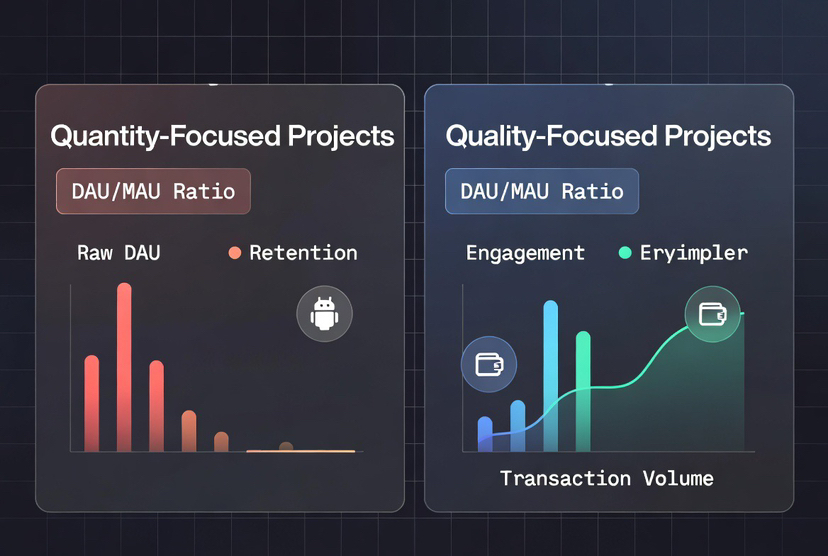
This emphasis on quality over quantity carries real positive implications for the broader space. It encourages builders to focus on product-market fit, smooth user experiences, and incentive designs that reward long-term participation. When protocols prioritize engaged users who drive real value, the entire ecosystem benefits: more stable economies, reduced reliance on hype cycles, and clearer paths to mainstream relevance. Digital ownership finally starts fulfilling its promise not as isolated collectibles, but as functional components in vibrant, transaction heavy environments. Players aren’t just collecting pixels or tokens; they’re living in and shaping digital worlds where their assets have ongoing utility.
Critically, this shift demands honesty about current shortcomings. Many early Web3 projects boasted impressive total addresses or peak concurrent users, only for on-chain data to show most activity as wash trading or incentive driven noise. Holder bases skewed heavily toward speculators, liquidity remained fragile during downturns, and the bridge from ownership to application stayed narrow. True progress requires filtering for quality: tracking not just DAU, but meaningful actions per user, retention rates, and transaction diversity. Projects embracing this “bold shift” invest in gameplay depth, fair omits, and mechanisms that align player success with ecosystem health.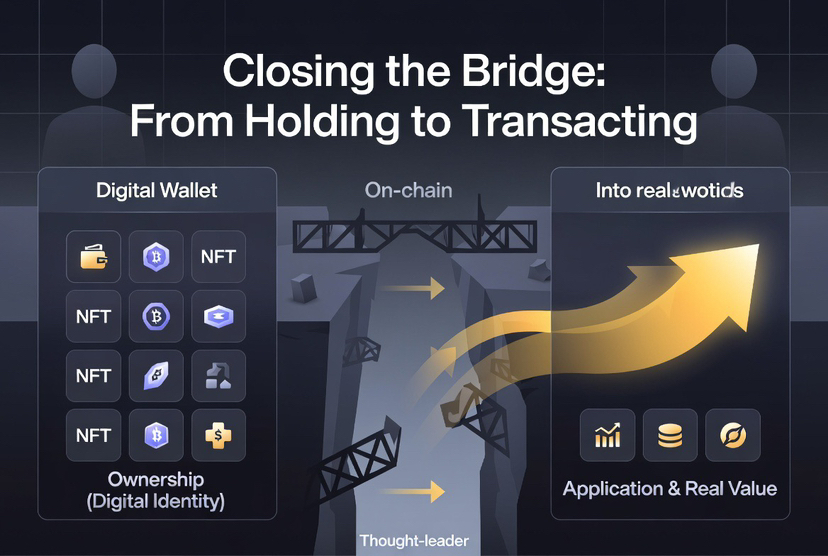
In practice, this means designing systems where digital assets flow naturally into real transactions. A farmland plot isn’t valuable only because it exists on-chain its worth grows when owners cultivate it, trade harvests, or collaborate in guilds. Token utility extends beyond governance votes into premium features that enhance daily play. When done right, the gap narrows: ownership becomes the foundation for application, turning passive holders into active contributors.
The market is watching these signals closely. Sustainable liquidity, balanced holder distribution, and demand rooted in usage rather than FOMO point to projects built for longevity. In a space still recovering from boom-bust cycles, this focus on high-quality, engaged participants represents intellectual honesty and strategic maturity. It moves beyond the “number go up” mentality toward ecosystems that generate genuine economic activity.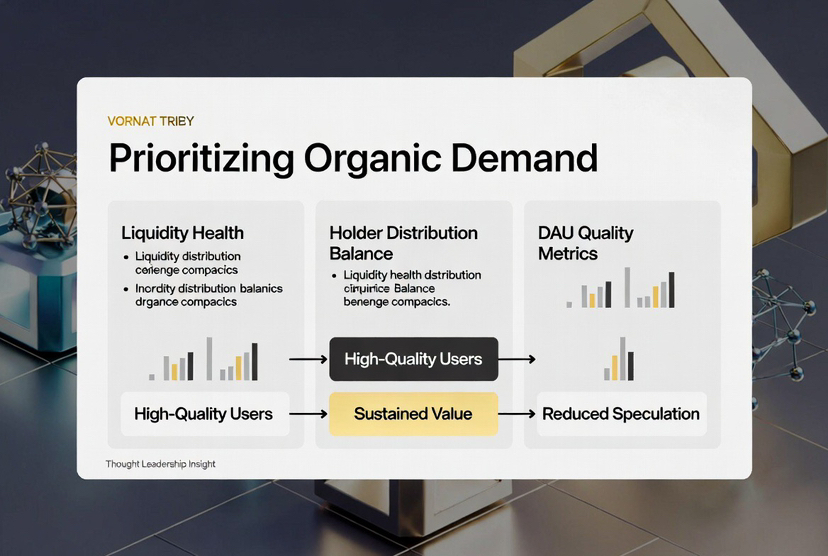
Ultimately, the PIXEL bold shifts emphasizing quality DAU and real value drivers highlights where the industry must head. Bridging digital identity and ownership with practical, repeated application isn’t easy, but it’s essential. Organic demand, supported by strong liquidity and healthy distribution, will separate winners from the rest. As more projects adopt this critical lens, Web3 moves closer to delivering on its foundational promises: true user sovereignty paired with vibrant, utility rich experiences.