
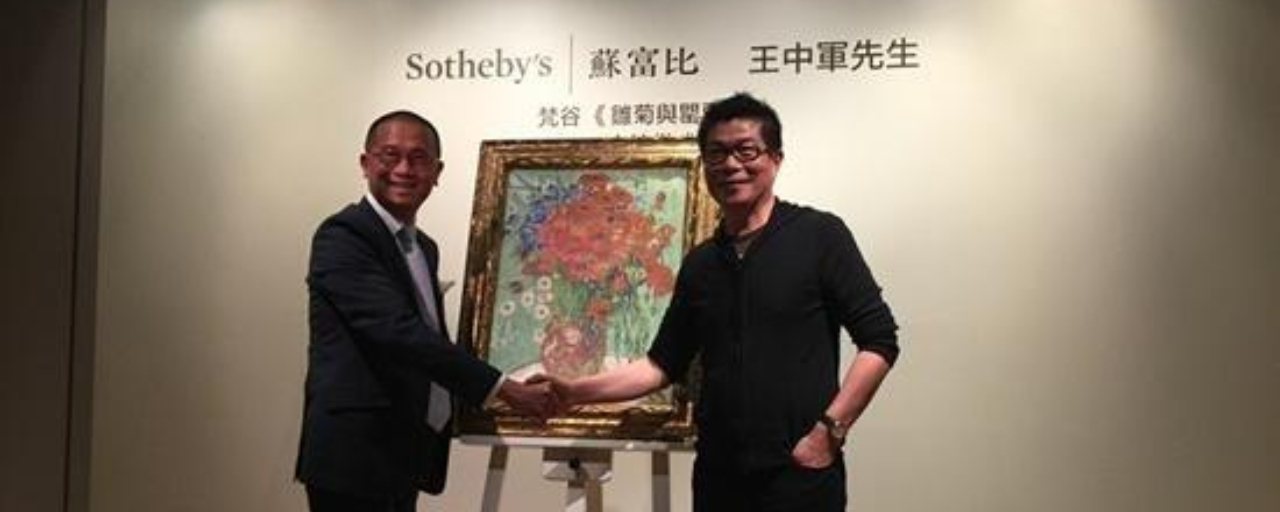


Recently, the film industry has been rocked by a bombshell: Huayi Brothers, once hailed as the 'top stock in Chinese film and entertainment', has officially applied for bankruptcy reorganization.
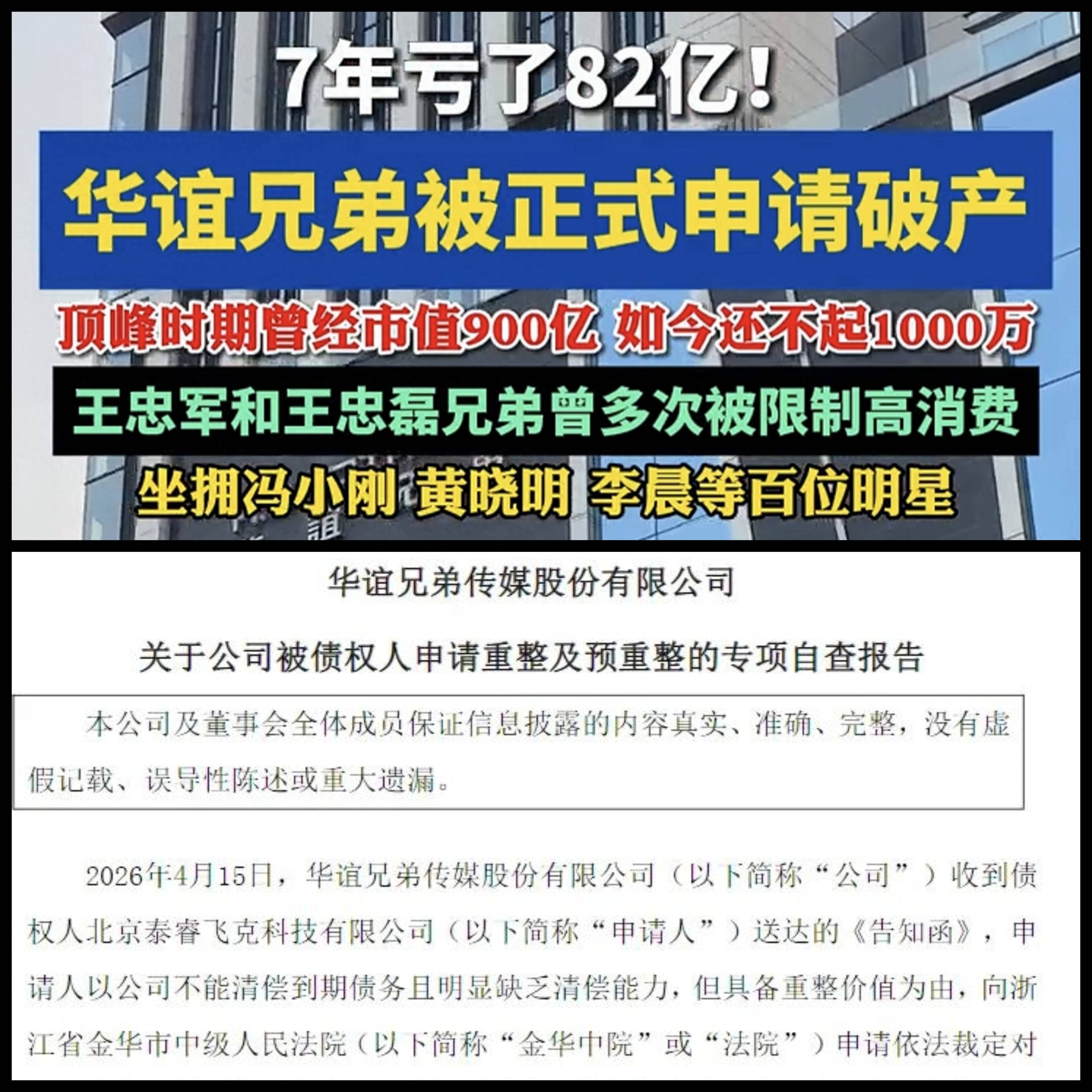
When the news broke, many people's first reaction was disbelief. After all, this is Huayi, which once held up half of the Chinese film market single-handedly.
But what's even more gut-wrenching is what's coming next: just when Huayi's ship is about to sink, the early investors from back in the day have already cashed out and jumped ship, their pockets lined.
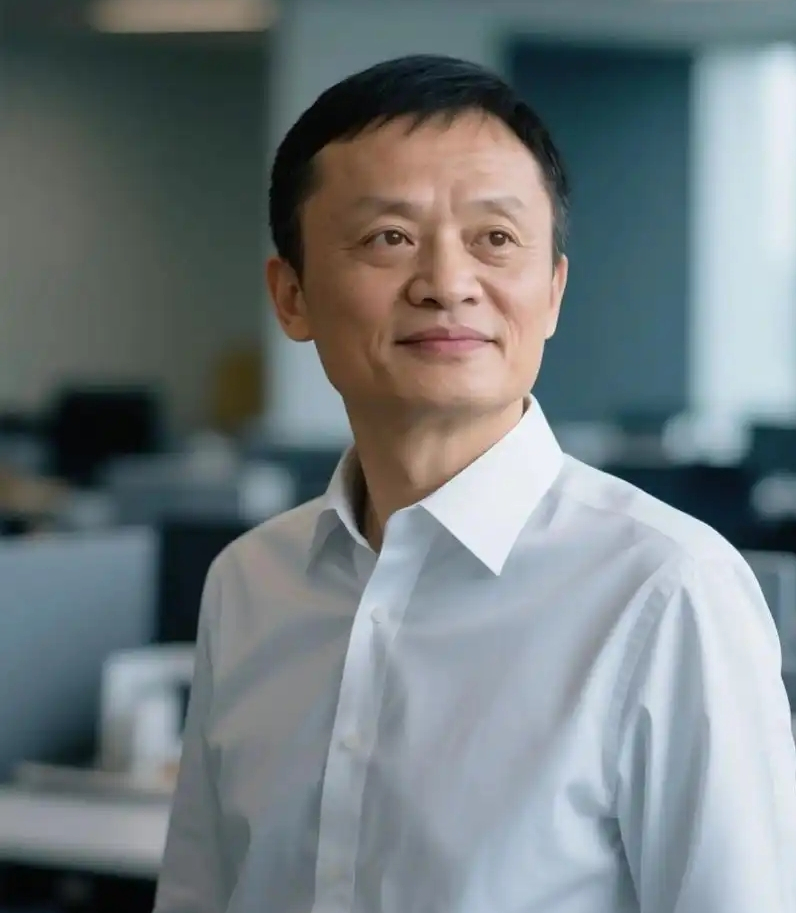
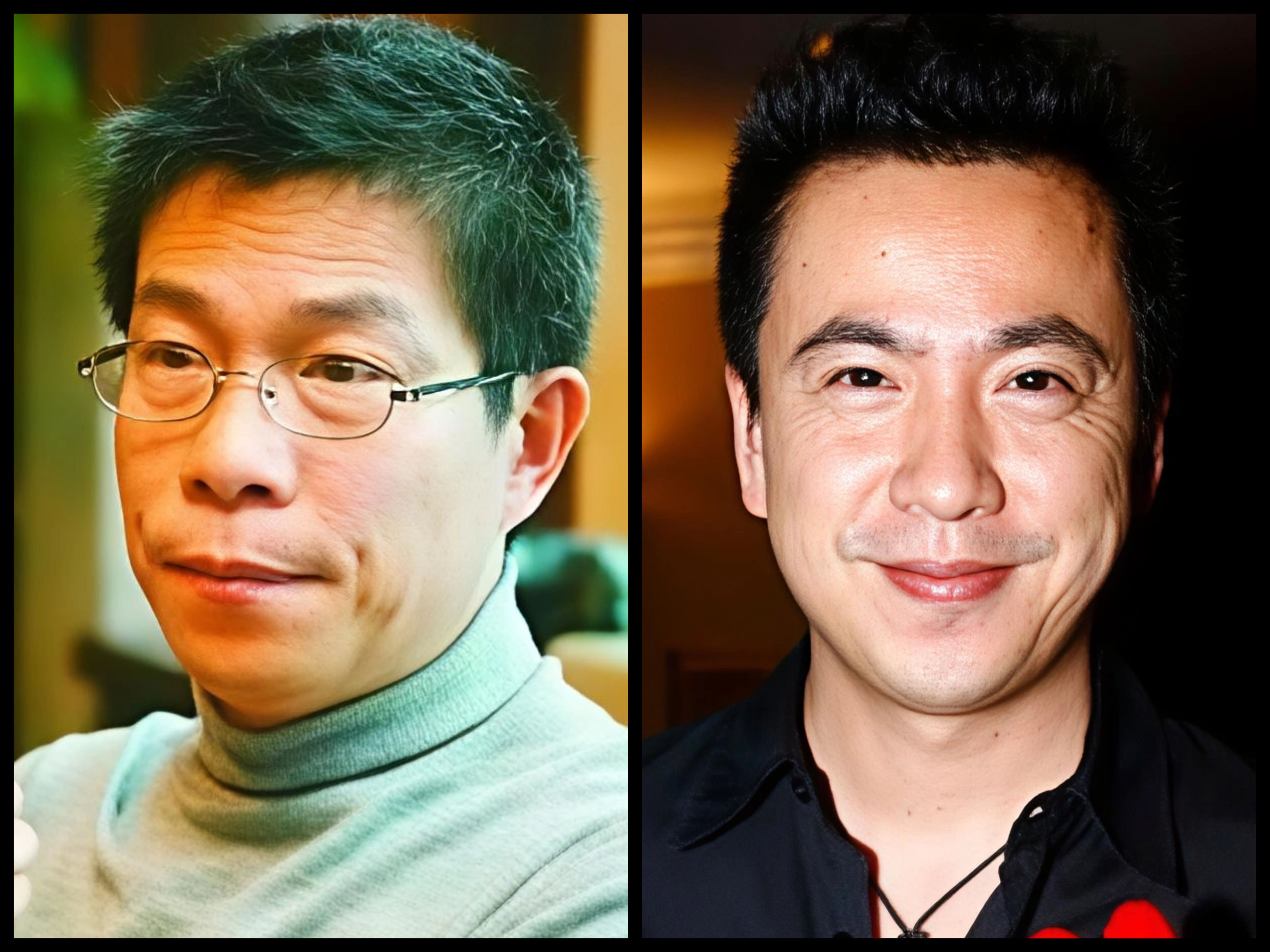
Let's talk about Jack Ma first. In 2006, Jack Ma ran into Wang Zhongjun at an entrepreneur meetup, and they hit it off. Ma casually pulled out 675,000 yuan to invest in Huayi. At that time, e-commerce was still in its infancy, and nobody took it too seriously.
Who would have thought that after Huayi went public in 2009, Jack Ma’s small investment directly turned into astronomical figures? Before the listing, he invested less than 7 million but ended up as the third-largest shareholder with over 10% ownership.
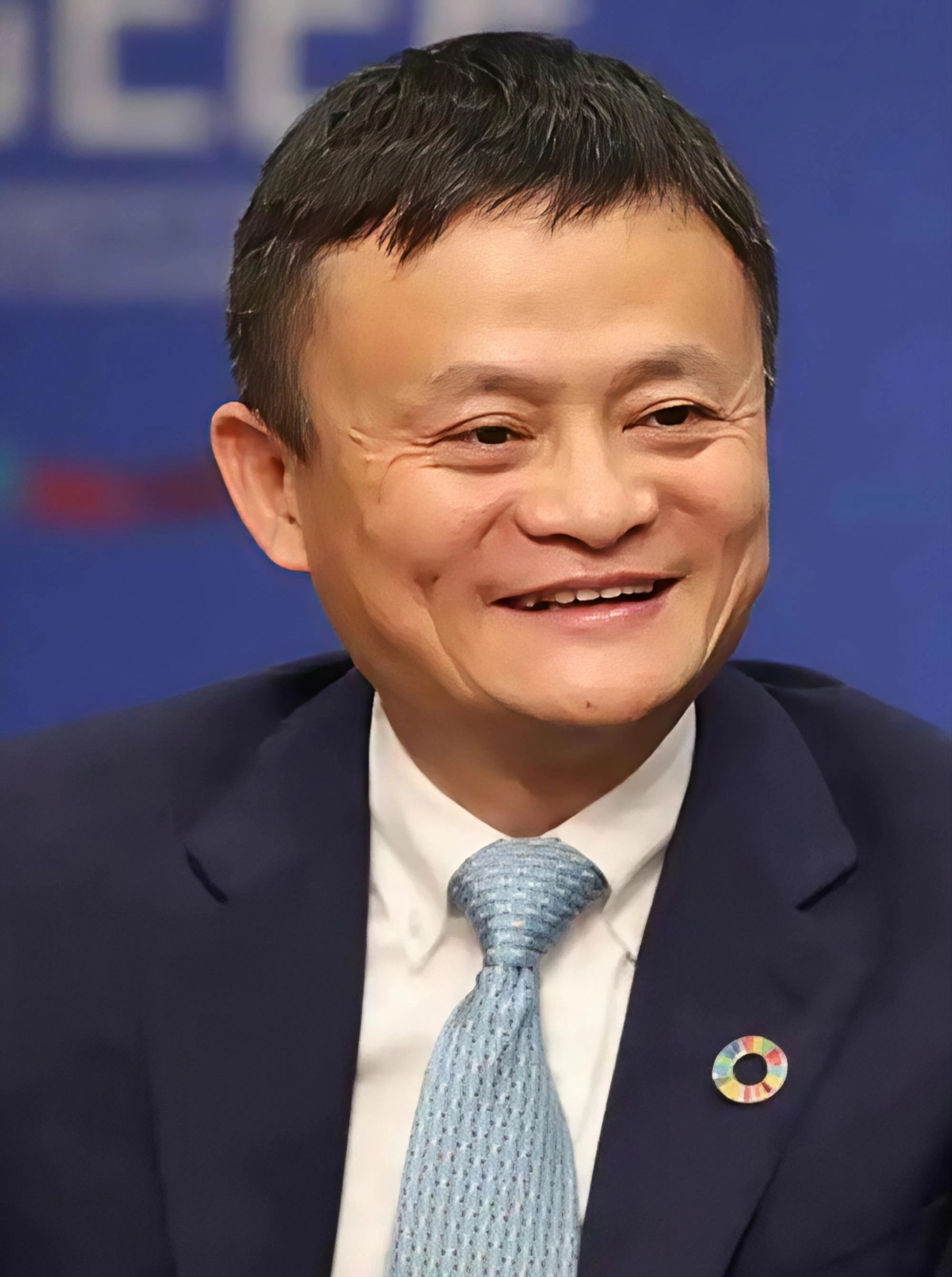
In the following years, Jack Ma began textbook-level precise cashing out: in 2010, he sold 3 million shares for over 90 million, and in 2011, he sold several million more shares, raking in billions.
All in all, he managed to reduce his holdings in the secondary market for over 600 million. In 2015, he brought Alibaba Venture Capital in with 1.533 billion to participate in a private placement, then separated these shares from the original shares he invested in, retreating step by step while executing capital market Tai Chi.
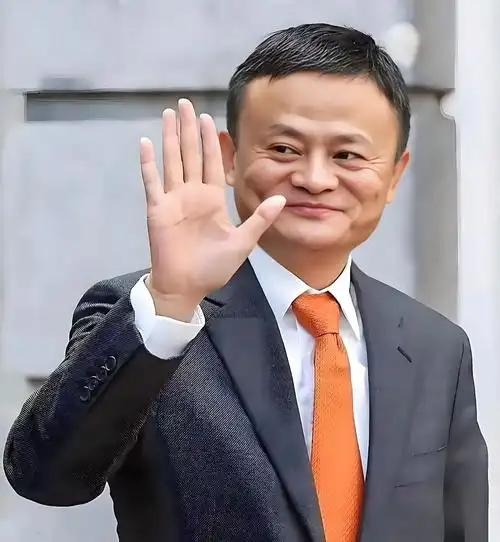
By the end of last year, Alibaba Venture Capital executed a significant block trade, precisely lowering its shareholding to 4.999996%, effortlessly slipping beneath the 5% regulatory line. An investment professional shook his head after seeing this: 'Playing with six decimal places like this isn’t just any ordinary calculation.' In plain terms, they’ve been counting their beads since 2006, and in nearly twenty years, the return rate is in the tens of thousands; this accounting is remarkably clear.
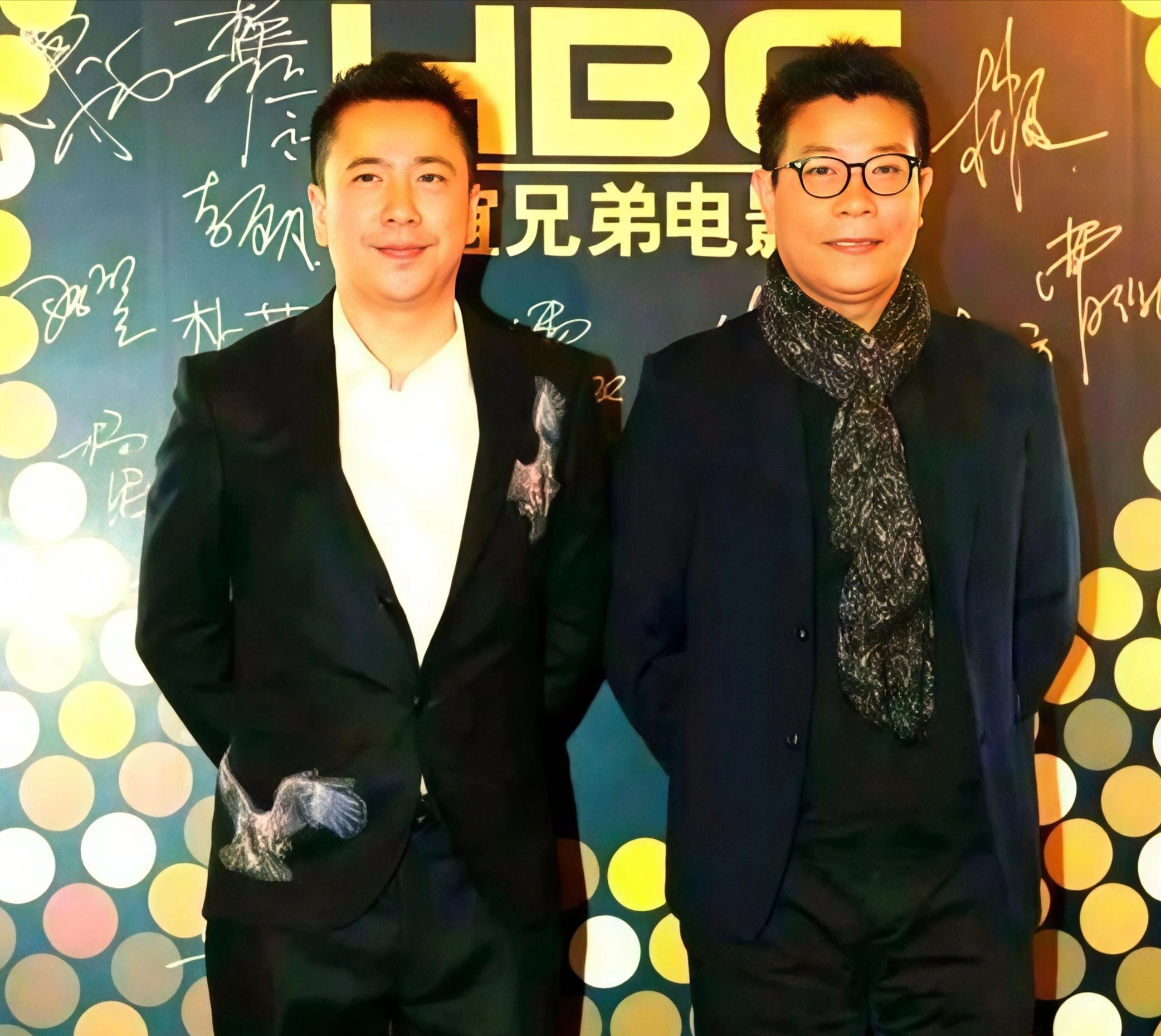
Now let’s talk about the helm of this ship, the Wang brothers. On May 24, 2013, Wang Zhonglei, facing an average price of 30 yuan, casually sold 4.57 million shares, raking in 1.41 billion that day.
Wang Zhongjun outdid his brother, selling a total of 11 million shares over two transactions in August that year, with an average price of nearly 37 yuan, netting a total of 400 million. According to incomplete statistics, the two brothers have accumulated nearly 1.8 billion in cashing out over the years.
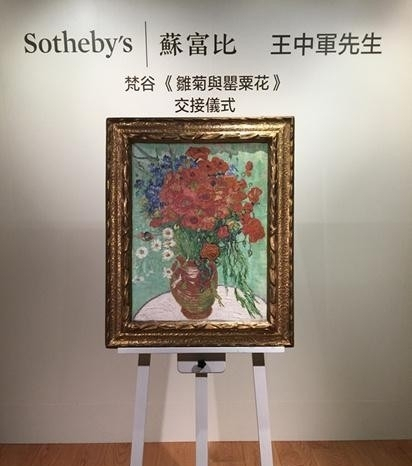
Having money sure makes things easier. In 2014, Wang Zhongjun crossed the ocean, pointing with enthusiasm at a Sotheby's auction in New York, snagging Van Gogh's (Daisies and Poppies) for 377 million yuan; it was quite a triumphant moment.
Just how obsessed was Wang Zhongjun with collecting art? One of his houses could be compared to a 'mobile forest,' with hundreds of crape myrtle trees whose transplanting costs exceeded a million.
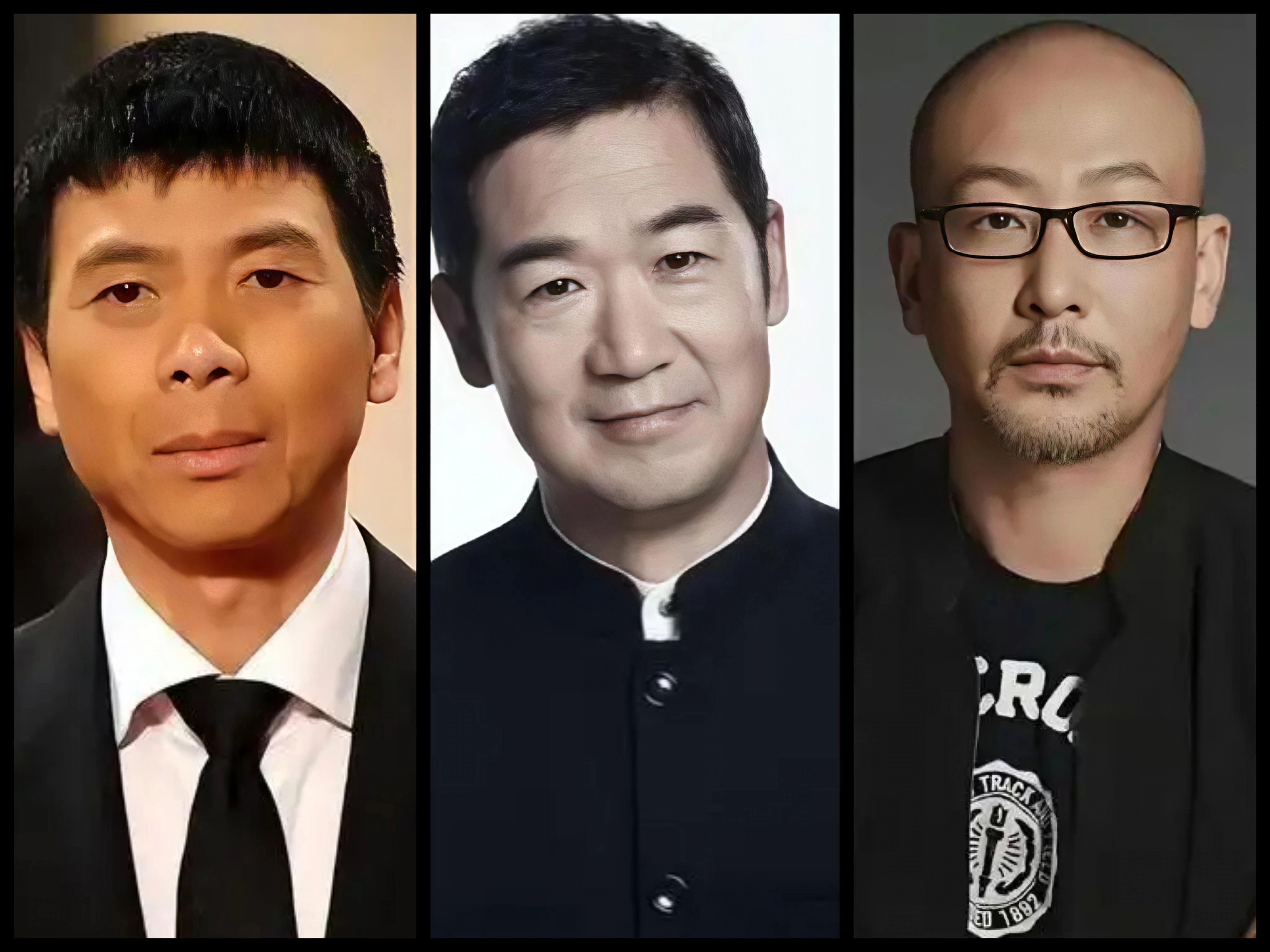
Did you think only the bosses are feasting? Think again; the entire entertainment industry jumped into this pot of profit. In 2015, Huayi immediately spent 1.05 billion to buy 70% of Feng Xiaogang's newly established Dongyang Meila for a sky-high price, while the company's net assets were negative 5,500 yuan.
A debt-laden shell can get 1 billion just because the owner is Feng Xiaogang. What a satirical signal! As long as you have a label and traffic, you don't even need to look at the books; capital will come knocking with money. Feng Xiaogang's personal worth skyrocketed to 1.5 billion overnight.
It wasn't just Feng Xiaogang who made a fortune; stars like Huang Xiaoming, Deng Chao, and Li Bingbing were also the brightest golden billboards on Huayi's rise. They not only signed contracts as artists but were deeply tied to Huayi, becoming co-investors in a profit-sharing scheme.
But every gift of fate actually has its price marked. The next grand drama is so captivating that it's hard to watch closely.
First came the life-draining 'gambling agreement.' Feng Xiaogang's total performance commitment over five years was less than 674 million, while Huayi paid over 1 billion in goodwill for it. What does that mean? It means you lend me 1 billion, betting that you can earn 600 million.
As a result, a few years later, Feng Xiaogang directly violated the compensation terms due to a massive deficit, and the gambling agreement accumulated additional payments of up to 235 million. By last July, to urgently repay debts, Huayi had to sell off the once prized Dongyang Meila for a humiliating price of 350 million, which they had acquired for 1 billion.
And that’s not all; besides Feng Xiaogang, a slew of directors and stars like Zhang Guoli, Guan Hu, and Cheng Er have also been caught in the same bloody gamble tied to Huayi, with no one able to escape unscathed.
2018 can be seen as the turning point in Huayi's fate. It was that year when Huayi suffered its first annual loss, and it never managed to crawl out of the loss pit again. From 2018 to 2024, the total losses exceeded 8.2 billion, and the latest performance forecast indicated another loss of three to four hundred million in 2025.
After eight years of the darkest path, the cumulative losses approached 8.5 billion, completely devouring all profits since going public.
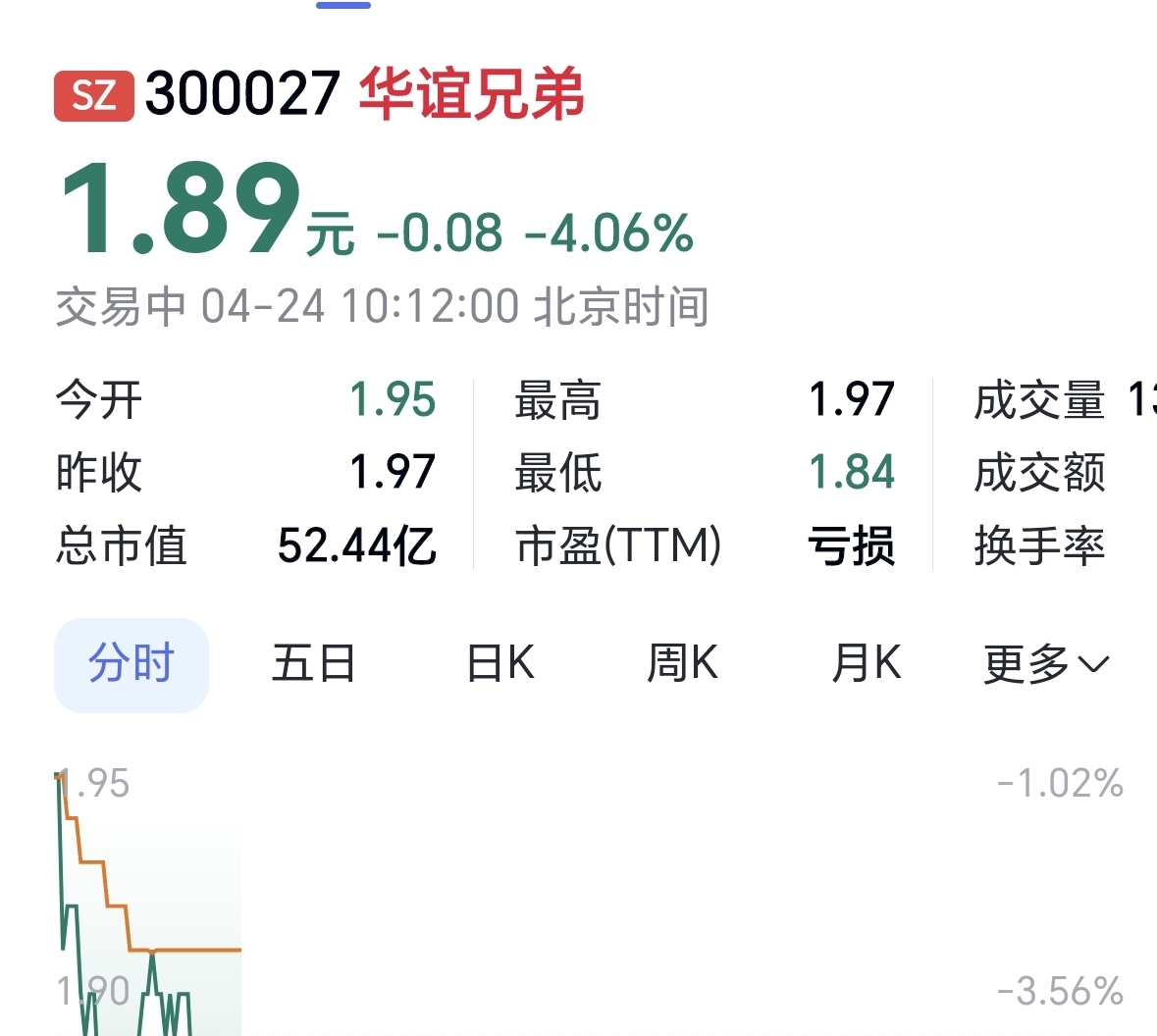
Compared to this jaw-dropping loss figure, the stock price has also plummeted. Back in its heyday, the stock price danced around 32 yuan, scaring away every adversary with a market cap of 90 billion. Now? As of April 23, 2026, the closing price was a pathetic 1.97 yuan, with a market cap collapsing to under 5.5 billion, a staggering 94% of its market value vanished into thin air.
Just before this situation unfolded, in December 2025, Wang Zhongjun, a close ally who had been collaborating with Huayi for over a decade, even received a court consumption restriction order, banning him from flying or staying in five-star hotels.
Can you believe that the billionaire who once splurged 377 million to buy a Van Gogh at an overseas art exhibition is now crushed by a legal document worth a mere thousand or so?
The fact is, all of Wang Zhongjun's shares in Huayi are now frozen, and his brother Wang Zhonglei's 11.3 million shares will be auctioned directly on JD.com next month. In a nutshell, core shareholders have been wiped out, and the old company is calling for help but gets no response.
Guess what pulled the industry giant down from its throne? Remember this number: 11.4 million. You read that right, over 10 million. Huayi Brothers owed Beijing Tai Rui Feike Technology Co., Ltd. an advertising contract amounting to 11.4 million, and after the court ruled in September 2025, they didn't pay it back. By this April, the tech company, in a fit of anger, pushed Huayi onto the bankruptcy restructuring stage.
Over 10 million! Back in the day, when Jack Ma was at his peak, he made a profit from reducing his holdings that barely reached a few hundred million. Now, it has become the final straw that broke this giant's back. When the news dropped, the stockholder community was practically in shock, with everyone asking the same question: Where did the money go?
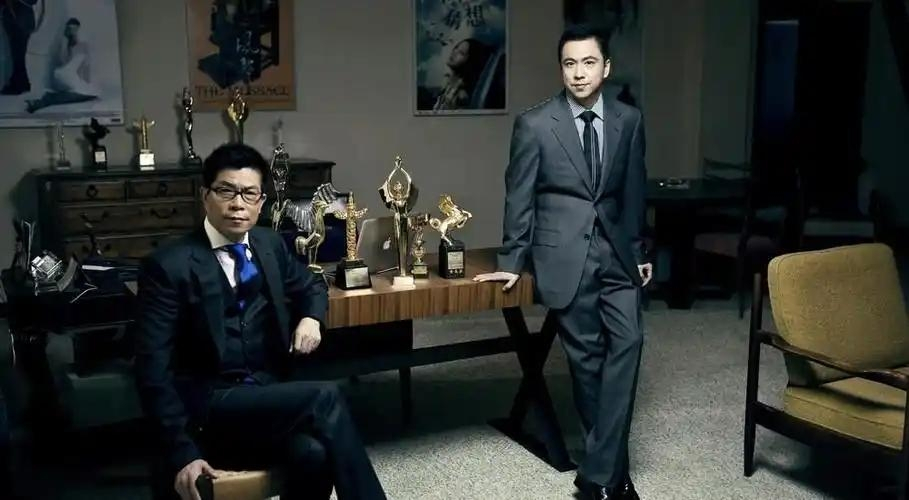
As the building was on the verge of collapse, the big boss Wang Zhongjun was in a panic. He started selling off his priceless collection and reluctantly sold his luxury Hong Kong apartment, while still trying to reassure the public, saying, 'For the safety of the company, I can sell anything—there's nothing to be ashamed of.'
Unfortunately, everyone has long lost patience for this hollow rhetoric; his embarrassment has already become a popular topic of conversation.
The most ironic thing is that eight years ago, Wang Zhongjun’s private painting sold for a whopping 3.68 million, but in a recent auction, it started at a shocking 20% off starting price of 300,000, and no one even placed a bid, leading to a failed auction.
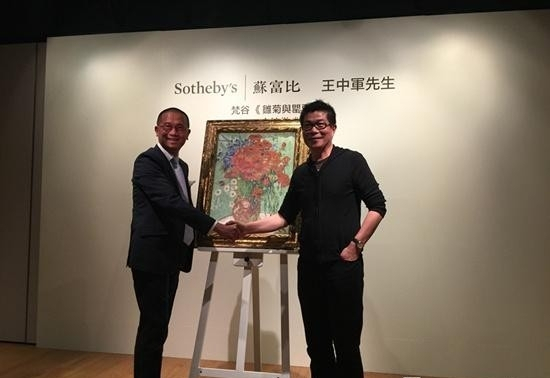
Someone mocked beneath that silently dust-covered painting: 'If this painting was still created by the big names back in the day, under today's dismal premise, its value would be zero.' Truly a prophecy; once someone falls from grace, all past glory will be taken away.
Equally awkward, if not painfully tragic, is the large group of over 300,000 retail investors still trapped inside. Many of them likely trusted the brand and hoped for a market rebound, only to gradually gamble away their life savings.
As a result, the big shots cashed out and ran to the fragrant Times Square, while the small shareholders who took over were left to drown. Watching the same rubbish time and again, the stock price continued to slide down the slope, from hundreds of billions to over fifty billion. How can these hopeful small investors swallow this bitter pill?
But who will pay for the tears of nearly 360,000 families? Some may still be clinging to a few fragments of shares after the big shots, like Ma Yun, Alibaba, Tencent, and Ping An, cut their losses, dragging their families into bankruptcy.
Thinking back, it feels like a mixed bag of emotions. Behind the highs and lows of the capital market, the least valuable is the faint hope of ordinary citizens.
Standing at this juncture in 2026, looking back at this capital and fame show that spanned twenty years, perhaps what shocks us most isn’t the ups and downs of the story, but the stark contrast of human nature and fate: both holding Huayi stocks, some walk from hundreds of thousands to hundreds of billions with a glass of Lafite, while others exhaust their life savings, only to receive a bankruptcy warning and a sheet of sighs.
There’s no banquet in the world that doesn’t end. Huayi's grand drama may soon conclude, but the lesson it teaches for future generations, who knows how many years it will take before someone dares to truly open the next textbook.
Author: Seaside Leisure Observer