After a period of intense momentum earlier this year, the gold market has entered a calmer, range-bound phase. Prices are currently fluctuating between $4,600 and $4,900 per ounce, with reduced trading volumes and limited short-term catalysts. While this may appear uneventful on the surface, the underlying dynamics suggest a more stable and mature market environment.
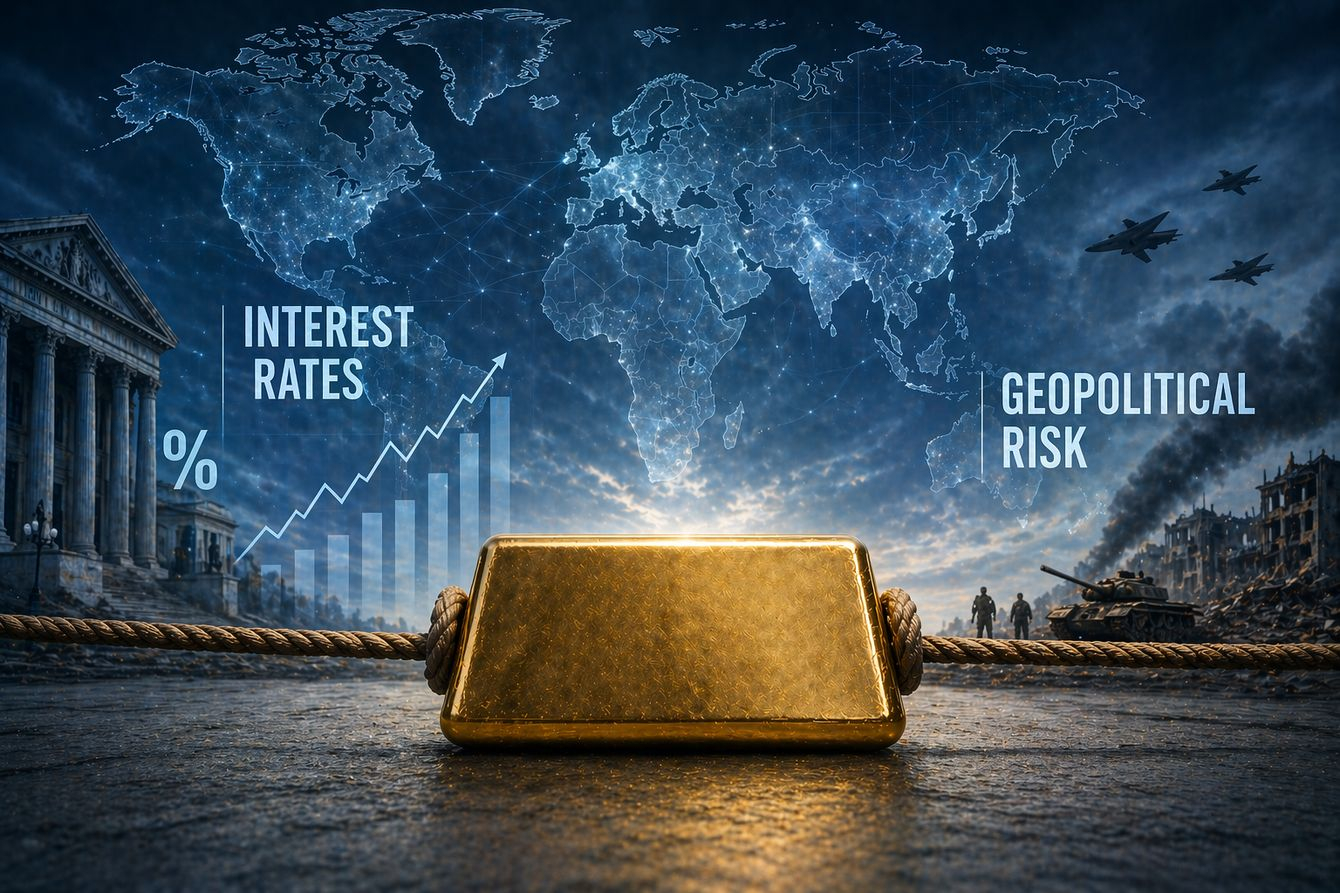
Rising inflation concerns and higher interest rate expectations have increased the opportunity cost of holding non-yielding assets like gold, tempering aggressive buying. At the same time, gold continues to hold its position as a globally recognized safe-haven asset, making significant downside bets less attractive. This balance has contributed to the current consolidation phase.
Importantly, this period of “quiet” reflects a structural shift rather than a decline in relevance. Institutions such as the London Bullion Market Association and the World Gold Council are actively working toward recognizing gold as a High-Quality Liquid Asset (HQLA). Such a classification would place gold alongside cash and government bonds in regulatory frameworks, further strengthening its role in global finance.
Central bank activity continues to reinforce this outlook. Notably, the People’s Bank of China has been increasing its gold reserves, even during periods of price decline. This pattern suggests that institutional buyers view price dips as strategic entry points rather than warning signals.
Despite short-term fluctuations, gold remains historically elevated and continues to serve as a hedge against systemic risks, including geopolitical tensions, equity market valuations, and sovereign debt concerns. Its lack of counterparty risk further enhances its appeal during periods of uncertainty.
In this context, gold’s current stability should not be mistaken for stagnation. Instead, it reflects a market absorbing higher price levels while maintaining strong underlying demand. For long-term investors, this phase underscores gold’s evolving role as a core portfolio stabilizer rather than a speculative asset.
#GoldMarket #SafeHaven #CentralBanks #InflationHedge #Commodities