
So far, we've understood the technical and strategic aspects of Pixel. But today we're going to answer the biggest question that every investor and gamer has in their mind: "What I'm earning, is it really mine?" In Web2 gaming, your hard work is stored on the company's server, but in Pixel (Web3), every pixel and every token is your Personal Empire.
1. Centralized vs. Decentralized: What's the Real Difference?
In most games, if the server goes down, your years of hard work go to waste. But on Pixel Layer 1, your data is 'on-chain'. This means that your farms, your rare seeds, and your tokens are solely under your control. This "Digital Sovereignty" is the real power of Pixel. When you look at your assets, they aren't just numbers; they're 'Verified Assets' that no one can take away from you.
2. Personal Vault: Security and Prestige
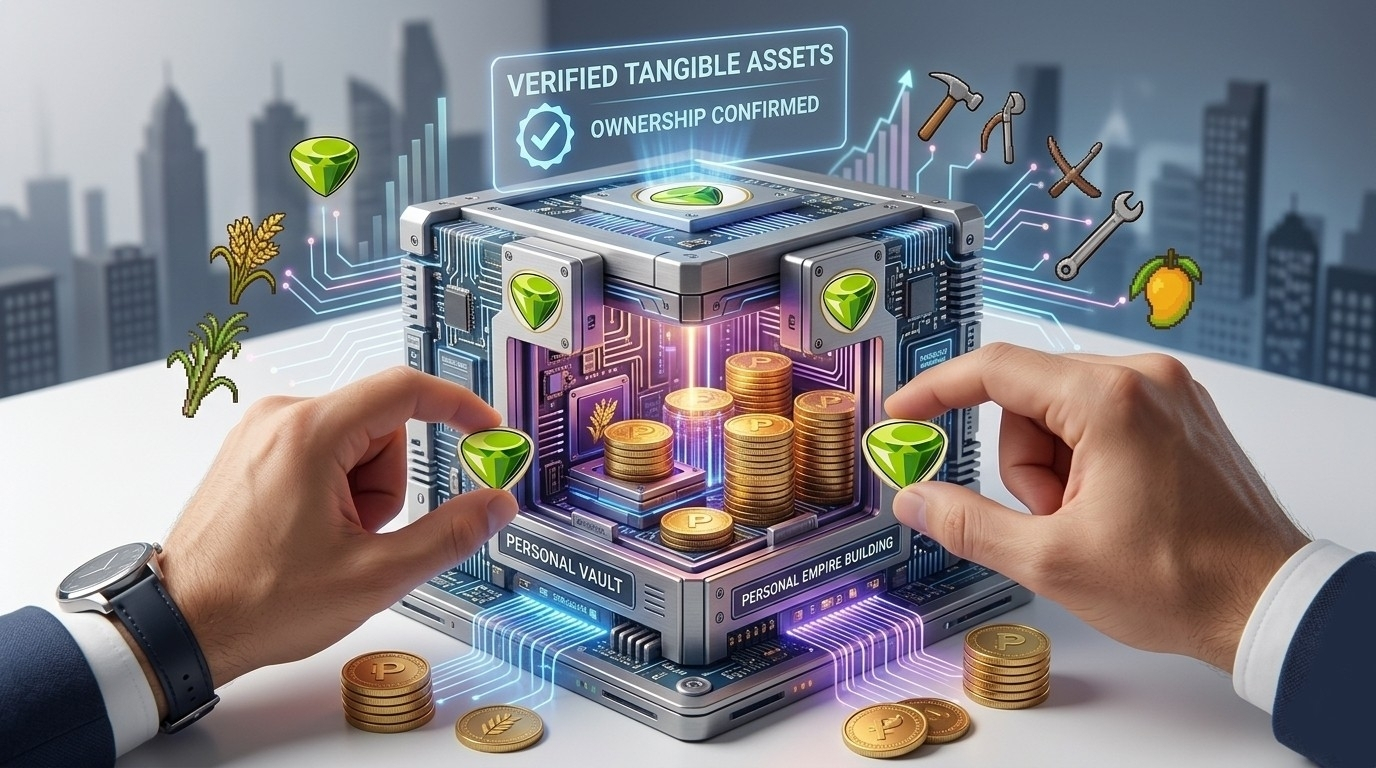
In the Pixel ecosystem, every player has their own 'Digital Vault.' Every strategic move you make, whether it's resource optimization or farming efficiency, increases the value of this vault. From the Pune market to global exchanges, your assets hold real-world value. When you arrange rare crops or tokens in your digital locker, you're not just playing a game; you're building your digital legacy.
3. Tangible Rewards: From Game to Reality
By 2026, ownership won't just mean 'watching'; it will mean 'utilizing.' Pixel has transformed gaming resources into 'liquid assets.' You can trade your earned resources, reinvest them, or hold onto them to expand your empire. This flexibility is what makes Pixel a global leader.
Conclusion:
Today's lesson is clear—your hard work, your strategy, and that's why you're the Boss. Pixel doesn't just give you a chance to play; it makes you a 'Digital Landlord.' Have you laid the first brick of your empire yet?
