
Hey there, my fellow traders! As a 32-year-old veteran who jumped into this game back in 2017 and has been coding for five years, I just can't hold back any longer from chatting with you all about the Pixels setup!
Lately, I've been spending a couple of hours every day in the farm, keeping an eye on every version update and on-chain data with a few buddies who are also into tech research. To be honest, after almost a decade in this space, I've seen way too many sketchy projects that come in, hype up, drop a token, and then ghost. But after diving deep into Pixels for eight months, I've realized its real game plan is way more than just farming and raising chickens! Today, we won't get into all that buzzword-filled metaverse talk; instead, I'm gonna break it down in plain English, based on my routine of checking code and contracts, and dissect the multi-game IP incubation, cross-chain strategies, and that reputation system which retail traders often overlook. Let's see what hidden profit opportunities and potential pitfalls are lurking here!
The so-called 'multi-IP integration' is definitely not just skin-deep trickery.
Let’s chat about the hot topic everyone's discussing in the group: the multi-IP incubation issue. Many think it’s just about opening an API and getting a few small studios to churn out low-quality web games to ride the Pixels wave. Initially, I thought the same, but then, following my professional instincts, I participated in their internal testing for third-party IP integrations and dug into the underlying asset adaptation protocols. Turns out, it's not that simple!
The project team is indeed quietly working on significant things. They’ve developed a deep underlying asset interoperability mechanism, which means what? It means that your hard-earned land NFTs, pet NFTs, and PIXEL tokens in your wallet can be seamlessly recognized and used in any game that integrates into this ecosystem! I personally saw it in a test version of a mini-game where I logged in with my Pixels account, and my farm items instantly transformed into exclusive resources for a battle game. This truly addresses the pain points of blockchain game players—no more starting from scratch and having to pay to win every time you switch games!
However, I’m a 'safety first' kind of person, so after the praise, I must throw some cold water on this! While testing the 'Stacked' engine and third-party mini-games, I found that some outsourcing teams had really weak technical foundations. There were noticeable delays in asset synchronization, and sometimes when I acted quickly, the data would simply fail to connect! If the project team doesn't strictly control the review thresholds for these IPs and allows a flood of low-quality games, it will not only seriously dilute our existing players’ focus but also fragment the consumption scenarios for PIXEL tokens, which could drag down the foundational game. This is definitely a ticking time bomb hanging over the ecosystem!
Escaping the cross-chain gamble of Polygon is fast, but it's also risky.
Let me vent a bit more about cross-chain stuff. Many newbies might not know the dark moments we old players went through on the Polygon chain! Back then, during harvest season on the farm, thousands of bot scripts and real players were frantically clicking their mice, causing the chain to get so congested that you’d want to smash your monitor. Gas fees often fluctuated wildly, and just transferring an NFT could leave you hanging in limbo!
Later, the team, under immense pressure, was forced to migrate to the Ronin chain. As an old code junkie, I immediately went to test cross-chain asset transfers, item trading, and high-frequency PIXEL transactions. My initial impression? Smooth as butter! The gas fees were driven down to an incredibly low level, and the transaction speed was nearly instantaneous. I took the time to compare the technical parameters of both chains and found that Ronin really knows how to optimize throughput. It’s tailor-made for blockchain games that require massive user interactions!
But folks, remember to prioritize safety before chasing profits! Don’t get too carried away and forget the risks! We all know that cross-chain bridges tend to be the favorite cash-out spots for hackers. History has seen its fair share of billion-dollar projects wiped out, right? Although I checked and the current fund reserves are still above safe levels, the contract vulnerability risks are like a ticking time bomb! Plus, Ronin's ecological moat is still lacking compared to mainstream public chains. If it needs to accommodate more networks in the future, the technical adaptation challenges could really take a toll on the dev team. We retail investors need to keep a close eye on our large assets and never let our guard down!
Realms space and Login reputation scores: hardcore games that retail investors often overlook.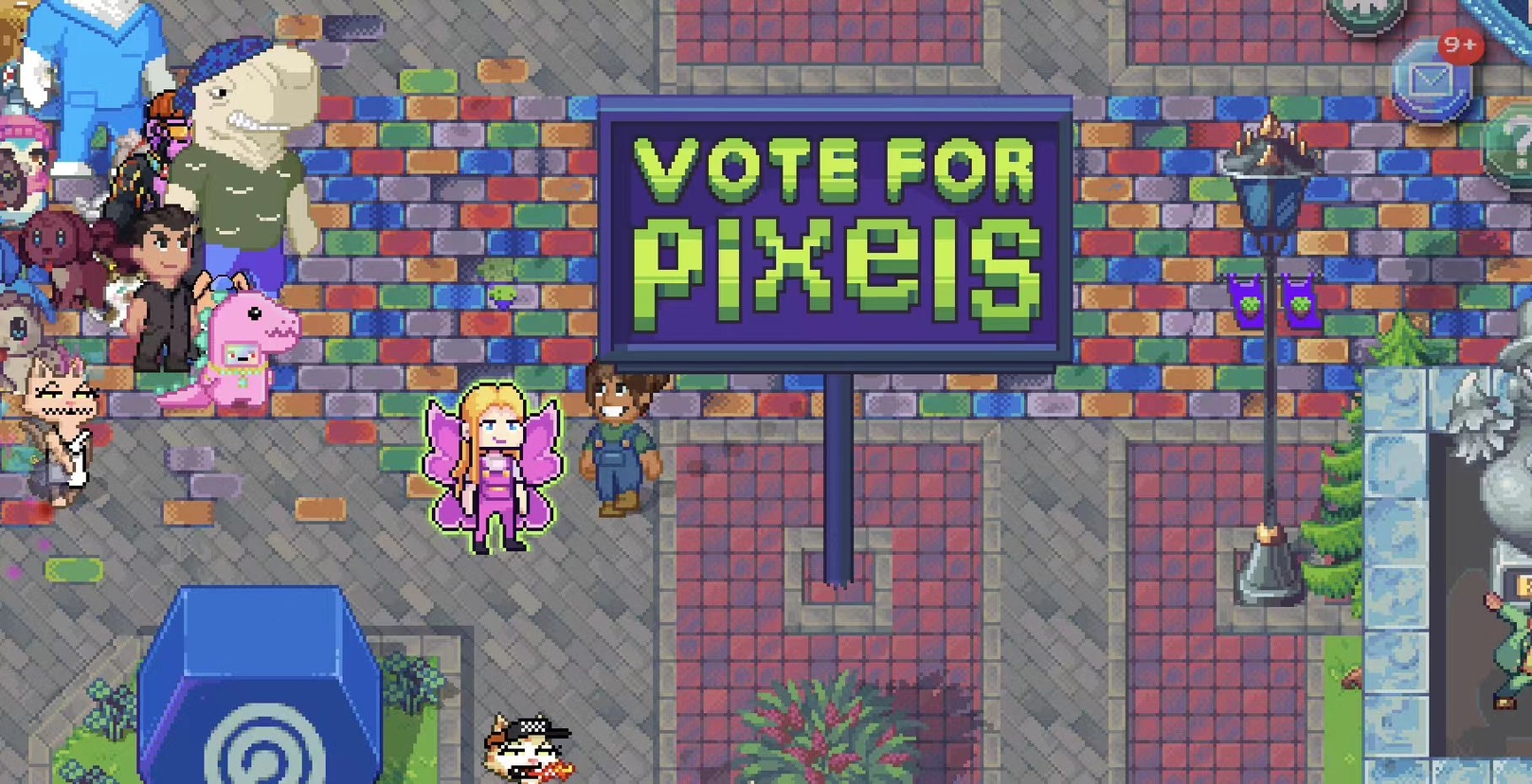
Finally, we must discuss the core gameplay of this open metaverse, namely the Realms system and the associated 'Login With Pixels' reputation system. This is the ultimate weapon for filtering out studios and real players!
I’ve applied for a private space using my land NFT and practically set up a small resource trading station with the official easy-to-use tools. In this private scene, other players come to trade, and I can directly take a cut of the fees. This idea of giving pricing power and scene rules to players gets my full endorsement! Tech-savvy players can even write scripts to customize advanced item drop logic. In the future, big brand players directly creating ecosystems will be a natural outcome!
However, in this process, I found the core barrier is actually the reputation score! Back in April, while testing Tier 5 high-level resources and empty investment qualifications, I discovered my initial reputation score was a pathetic 47 (out of 100). The system treated me as a potential bot and limited many of my cross-chain interactions! So, what did I do? I staked specific assets, linked various social identities, and diligently completed cross-chain active tasks. I finally managed to raise my score to 55, and then to 62, which got me access to the core gameplay! This shows that the project team has invested heavily in anti-bot mechanisms. The days of thinking you can just run a script and get free rides are long gone!
Also, I have to say, the game’s governance mechanism is still way too centralized! I previously suggested in the community proposals that they optimize the scene-building tutorials because the entry barrier is just too high for non-tech players. The feedback cycle was long enough to drive anyone to despair! If the metaverse continues to expand, and players' demands aren’t met quickly, the enthusiasm for co-building the ecosystem will eventually dwindle!
To sum it up: Don’t just stare at the candlesticks, understand the mechanics.
Looking back at these past eight months, especially in April when I was glued to the screen during the exhilarating token unlock events on the 16th and 19th, I increasingly feel that Pixels is definitely not just a pump-and-dump scheme! Every iteration, even just fixing a small bug, attempts to create real consumption scenarios for the tokens and tries to establish a true open-world model for Web3 games!
But listen up, friends, when it comes to investing, we must always put risk management first! The current fundamentals are stable, but it also faces three major soft spots: uncontrollable quality of third-party games, security risks of cross-chain bridges, and slow community governance! So heed my advice—rather than obsessing over the daily price fluctuations on exchanges, focus more on their latest economic pool designs, boost your reputation score, and study the newly released anti-cheating mechanisms!
Stay rational, see through the cards. Only those who can endure the cycles and manage their hands will last the longest in this space. Let’s catch up next time with any new discoveries!
—— Your old coder friend, signing off!
