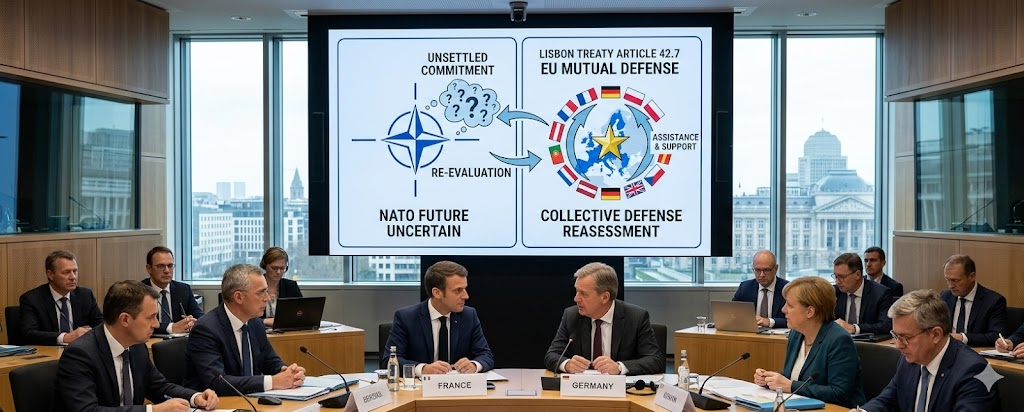
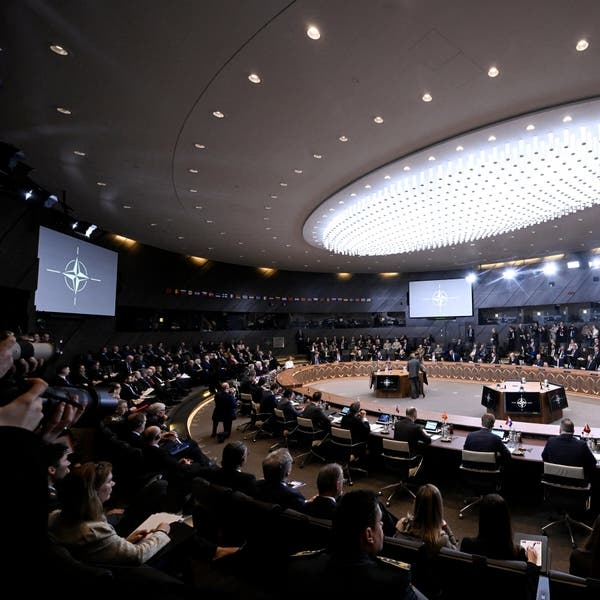
Rising uncertainty around the future of the North Atlantic Treaty Organization (NATO) is prompting European leaders to re-evaluate their own defense mechanisms. With concerns about the long-term commitment of Donald Trump to the alliance, attention has shifted toward a lesser-known provision within the European Union framework: Article 42.7 of the Lisbon Treaty.
This clause obliges EU member states to provide assistance, including military and financial support, if another member is attacked. Although stronger in wording than NATO’s Article 5, it has been invoked only once, following the 2015 Paris attacks. Historically viewed as symbolic, the provision is now gaining renewed relevance as Europe considers scenarios where U.S. backing may be reduced.
Recent discussions among EU leaders have focused on how Article 42.7 could function in practice. Plans are underway to conduct simulation exercises and develop a coordinated response framework. However, experts caution that structural challenges remain significant. Unlike NATO, which operates with a unified command structure and clear defense mandate, the EU’s decision-making process is more complex, involving multiple national interests, legal constraints, and operational limitations.
Key concerns include the EU’s inability to directly fund military operations, differing national rules of engagement, and the absence of a centralized command authority. These factors raise doubts about whether the bloc could effectively respond to a large-scale security threat without NATO’s infrastructure and leadership.
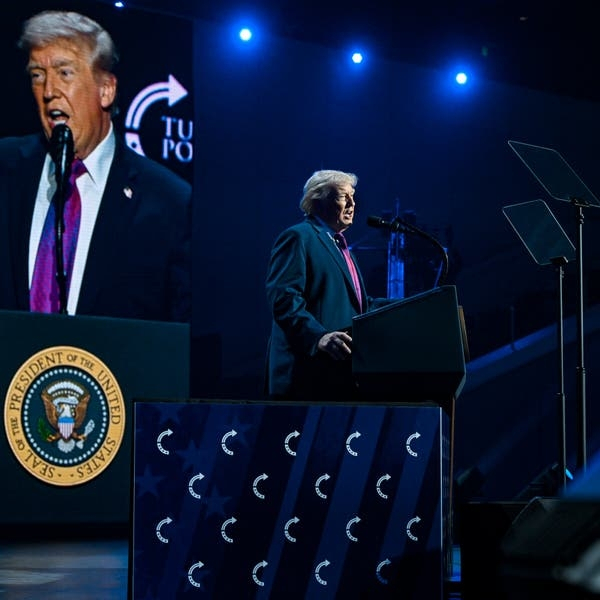
At the same time, Europe is exploring complementary approaches, such as forming “coalitions of the willing” led by major powers like France and the United Kingdom. These flexible alliances may serve as a bridge between EU coordination and NATO capabilities, particularly in crisis scenarios.
While the EU’s defense clause is not seen as a replacement for NATO, it reflects a broader strategic shift. European nations are increasingly preparing for a future where they may need to take greater responsibility for their own security. This evolving landscape highlights both the urgency and complexity of redefining collective defense in a changing geopolitical environment.
#EuropeanUnion #NATO #GlobalSecurity #DefensePolicy #Geopolitics
$MM
$DARKSTAR