

I’ve learned that when liquidity gets selective, users stop rewarding flashy launches and start rewarding habits. That shift matters now because many game tokens still depend on bursts of attention, while stronger systems are built on repeat behavior. With @Pixels the real question isn’t how many people arrive on update day. It’s how many still log in after rewards normalize. In thinner markets, retention becomes the cheapest source of growth.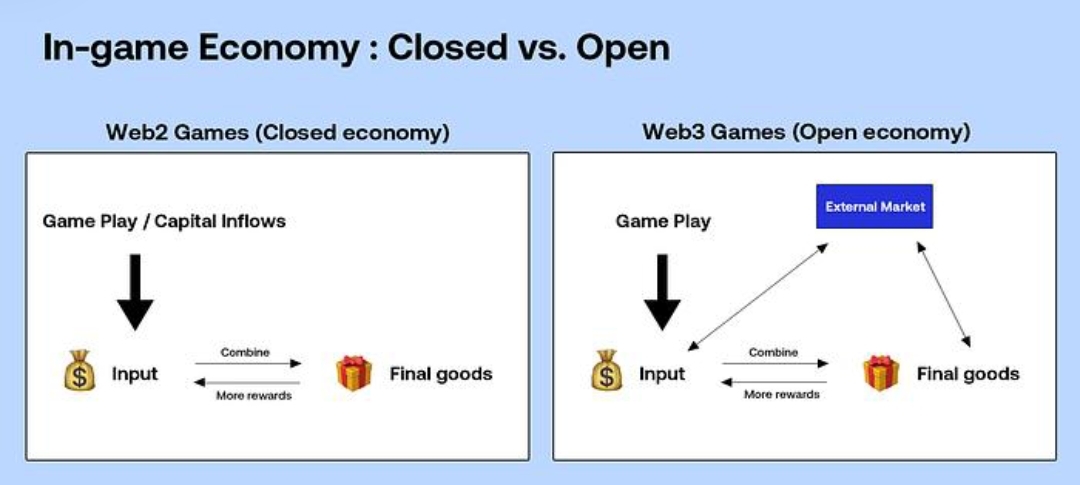
A useful recent signal came from ongoing Pixels gameplay adjustments and event rotations discussed across April community updates, where progression tasks were tied more closely to routine actions than isolated claim moments. I think that matters because incentive design changes flow direction fast. When loops reward planting, crafting, trading, or daily return actions, users withdraw slower and keep balances active longer. You often see fewer abrupt exits and steadier wallet reuse before headline metrics improve. #pixel activity tied to normal play can be more durable than traffic driven by one campaign. If return intervals are shortening while panic exits fade, what does that say about user quality?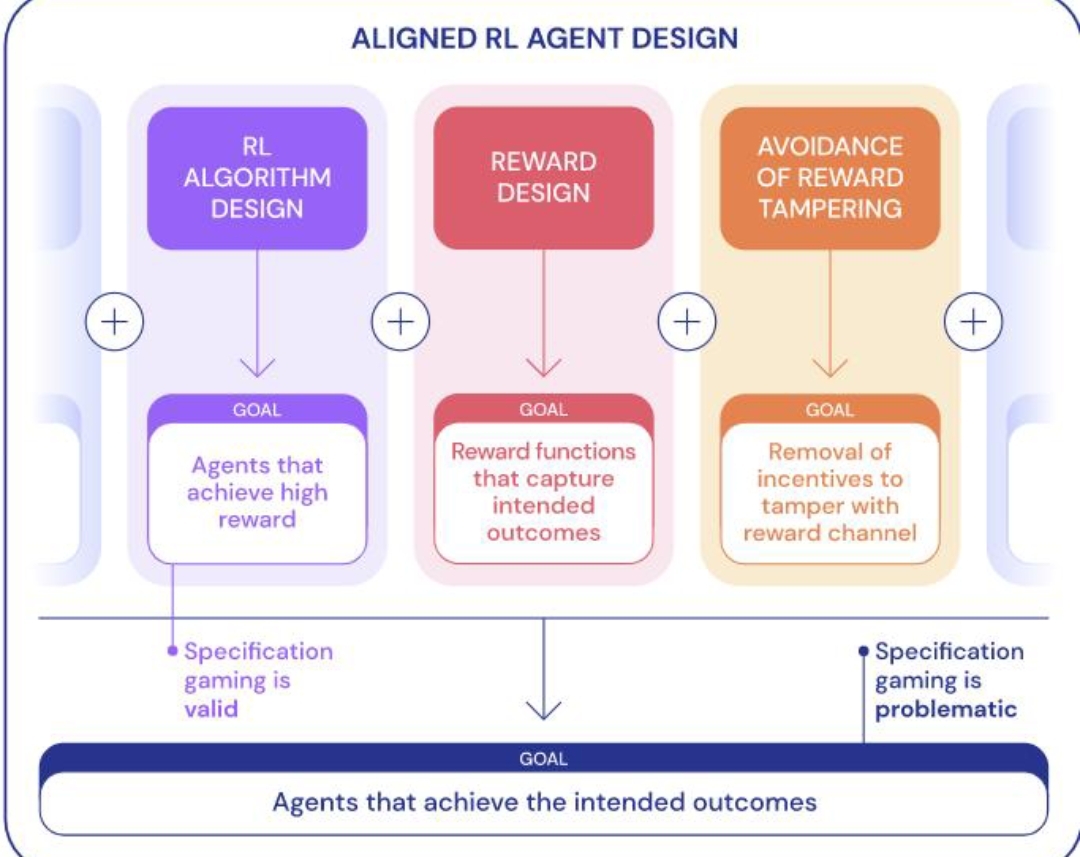
For contributors, the practical focus is pretty simple. Watch where people drop off, where menus slow them down, where rewards arrive too late, and where effort feels mismatched. Those friction points decide whether $PIXEL stays inside the loop or leaves it. I’m usually more interested in seven-day behavior than one loud afternoon. Small retention gains compound quietly, and communities often notice them last. Sometimes the strongest update is just making it easier to come back tomorrow.