
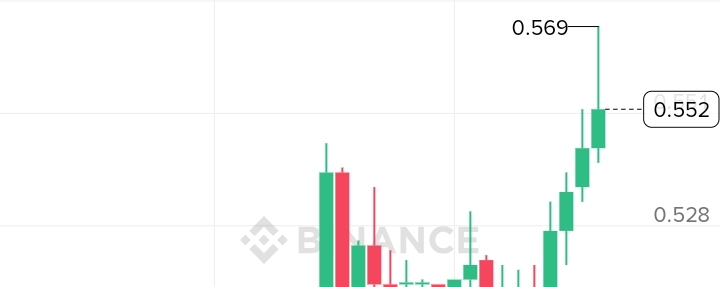
$AVNT $50m, FDV: $155m Avantis is a derivatives market protocol developed for decentralized perpetual (futures) trading, aiming to optimize liquidity efficiency and risk management. Academic focus: capital-efficient decentralized derivatives and synthetic asset infrastructure Avantis' core approach, differentiating itself from classic DeFi derivatives protocols, focuses on: redesigning the liquidity provision and risk distribution mechanism Problem Definition Key research question: can perpetual derivatives markets operate more efficiently and equitably with lower capital requirements? Architectural Approach: Avantis Model Avantis attempts to solve this problem through three fundamental principles:
1. Synthetic Liquidity Unlike the classic orderbook or AMM model, Avantis: Generates synthetic liquidity Reduces direct LP counterparty This structure: Minimizes the actual liquidity requirement
2. Risk Isolation Layer The most critical component of Avantis: LP risk is isolated Systematic risk is controlled Positions are balanced Avantis is a risk distribution mechanism rather than a trading protocol.
3. Capital Efficiency Thanks to this model: Trades are made with fewer collaterals Liquidity is used more efficiently Result; Capital Efficiency + Risk Optimization Technical Structure
1. Synthetic Derivatives Engine Perpetual contracts Synthetic pricing
2. Oracle Layer Price validation Market data integration
3. Risk Engine Automatic position balancing Systemic risk mitigation RWA (Real World Assets) Perspective One of Avantis' most critical expansion areas: RWA integration
1. What is RWA? RWA is the blockchain representation of real-world assets such as stocks, commodities, bonds, and forex.
2. Avantis' RWA Potential Thanks to Avantis' synthetic structure: Real assets are not physically held They are synthetically represented They are converted into perpetual or derivative products
3. Strategic Advantage This model: Provides global access Offers 24/7 trading opportunities Indirectly overcomes regulatory barriers Avantis does not directly hold RWA; it creates the RWA derivatives market. Ecosystem and Use Cases Perpetual Trading Leverage transactions Synthetic assets RWA derivatives As the use case expands, liquidity depth increases. Token value is directly linked to trading volume + usage.
Network Structure (Network Layer) Avantis is a derivatives market protocol running on the Base network. Importance of the Base network A Layer 2 built on Ethereum Low transaction cost High transaction speed Coinbase ecosystem connection Economic Model Process Trader makes a transaction Fee is generated Liquidity provider earns System grows Result volume → fee → token value Competitive Analysis Competitors GMX dYdX Hyperliquid Difference Avantis: capital efficiency + risk isolation + synthetic RWA My comment Avantis's position: Technical → synthetic derivatives infrastructure Economic → volume-focused model Strategic → RWA derivatives market The model offered by Avantis provides a theoretically strong framework for increasing capital efficiency in derivatives markets.