
It’s interesting how often people talk about “ownership” in blockchain games, yet many players still don’t feel truly connected to the worlds they spend time in. If owning in-game assets is supposed to change everything, why does the experience sometimes feel just as temporary as traditional games?
Before projects like Pixels, most Web3 games leaned heavily into the idea that financial incentives would naturally create engagement. The logic seemed simple: if players could earn or trade valuable assets, they would stay. And for a while, that worked. But the engagement often felt shallow. People showed up for rewards, not for the game itself. Once those rewards became less attractive, activity dropped. What was missing wasn’t better tokens or more complex systems—it was a reason to care about the world beyond its economic value.
Developers tried to fix this in different ways. Some improved graphics, others introduced deeper economies or governance features. But many of these efforts didn’t fully address the core issue. A game can look better or have more features, but if players don’t feel connected to it, they won’t stay for long. Traditional games succeed because they create habits, communities, and a sense of place—things that can’t be built overnight.
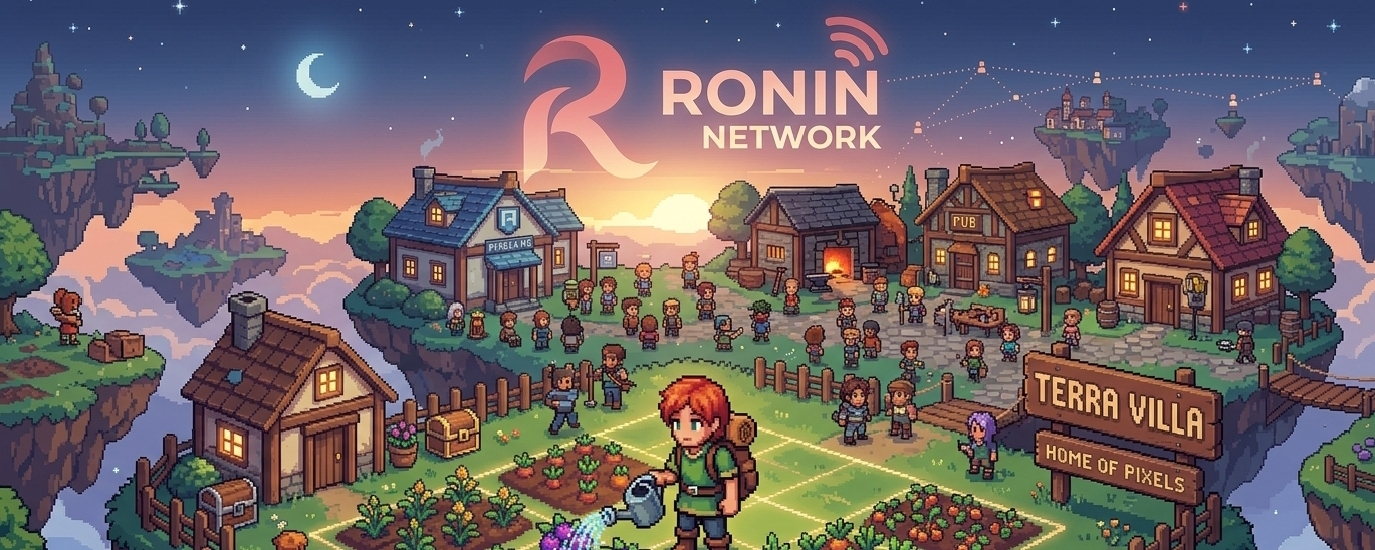
Pixels takes a slightly different approach. Instead of trying to impress with complexity, it focuses on something more familiar: a calm, social experience built around farming, exploration, and gradual progress. Running on the Ronin Network, it feels closer to a casual online game than a typical Web3 project. You plant crops, manage land, interact with others, and slowly build something over time. It’s simple, but that simplicity seems intentional.
What stands out is how the game leans into routine. It’s not about big, exciting moments all the time. It’s about coming back, doing small tasks, and seeing steady progress. That kind of loop has worked well in traditional games for years. The idea here seems to be that if players enjoy the process itself, they might stay even when there’s no strong financial incentive.
But this approach isn’t without its challenges. Routine can be comforting, but it can also become repetitive. What feels relaxing to one player might feel boring to another. And even if the game is designed to be enjoyable on its own, the presence of blockchain assets changes how people behave. Once there’s value involved, some players will naturally start thinking in terms of optimization rather than enjoyment.
There’s also the question of accessibility. Pixels is simpler than many earlier Web3 games, but it still requires some understanding of wallets and blockchain systems. For people who are not familiar with crypto, that can be a barrier. Even small steps can feel complicated if you’re new to the space, and that can limit who actually joins and stays.
Another point worth thinking about is fairness over time. In many blockchain-based games, early players or those with more resources tend to have advantages. Pixels is not completely separate from this pattern. Players who get in early or invest more may shape the world in ways that are harder for newcomers to match. This can affect how welcoming the game feels in the long run.
There’s also a subtle shift in how time is used. In traditional games, you can leave and come back without feeling like you’ve missed much. But in persistent online worlds—especially those connected to real value—there can be a sense that you need to stay active. Over time, that can turn a relaxing experience into something that feels more like a responsibility.
Pixels doesn’t fully solve these problems, but it does approach them differently. Instead of focusing only on earning, it tries to build a space where players might actually enjoy spending time. That may seem like a small shift, but in the context of Web3 gaming, it’s a meaningful one.
Still, the bigger question remains. Even if a game feels more natural and less driven by incentives, can it truly escape the influence of value and ownership? Or will those elements always shape how players interact with it, no matter how the experience is designed?
Maybe the real question isn’t whether players can own parts of a game—but whether that ownership is enough to make them stay, care, and feel like they belong.