
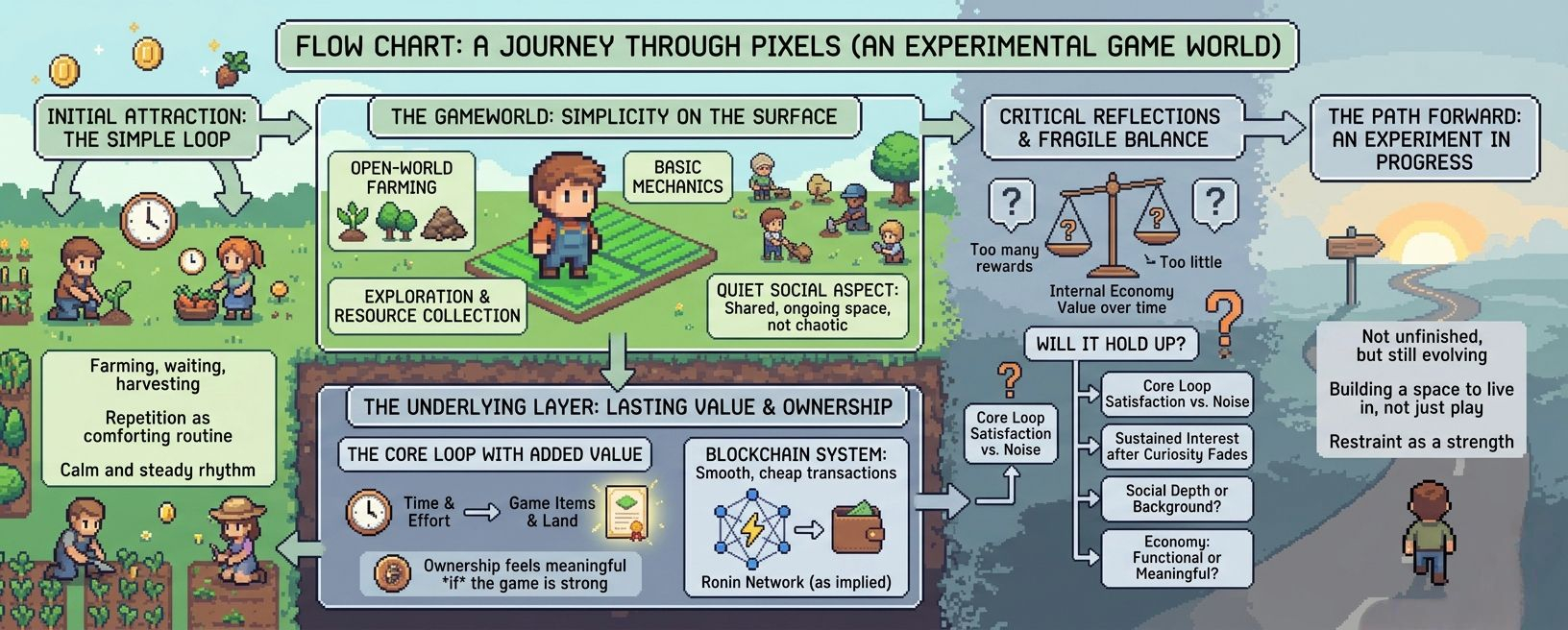
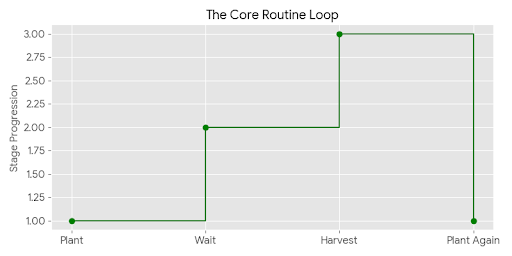
I’ve noticed something about games lately—sometimes the ones that feel the simplest are the ones that stay with you the longest. There’s something calming about a basic loop: you plant, you wait, you harvest, and then you do it again. It shouldn’t be that interesting on paper, but when it’s done right, it just works. It feels steady, almost comforting. Like the game isn’t trying to impress you—it’s just there, quietly doing its thing.
That’s kind of what drew me toward Pixels.
At first glance, it feels familiar. Almost too familiar, like it’s intentionally keeping things basic. But the more I sit with it, the more it feels like there’s something else going on underneath that simplicity. It’s not loud about it, though. It doesn’t throw complexity at you right away. Instead, it lets you ease into it.
On the surface, it’s a farming game in an open world. You grow crops, explore, collect resources, interact with the environment. Nothing new there. But then there’s this added layer—the idea that what you do in the game might actually matter beyond just playing. That your time, your effort, even your land or items could have some kind of lasting value.
That’s where things start to feel a bit different.
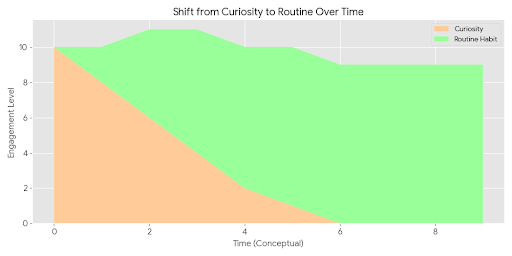
What I find interesting is how slow everything feels—and I mean that in a good way. The game doesn’t rush you. It doesn’t try to constantly excite you with new mechanics or pressure you to keep up. Instead, it leans into repetition. And instead of feeling boring, that repetition starts to feel like routine. Like something you return to, not something you grind through.
But it’s not just about doing things alone. There’s also this quiet social side to it. Other players are around, sharing the same space, doing their own routines. It’s not overly interactive or chaotic, but it creates a sense that the world is alive. That you’re part of something ongoing, even if your actions are small.
Balancing that—keeping things personal but still shared—is harder than it sounds. If it works, it gives the game a kind of continuity. A reason to come back.
Then there’s the whole blockchain side of things, which honestly makes it a bit more complicated to think about. The game runs on a system designed to make transactions smoother and cheaper, which makes sense. If everything you do—farming, trading, crafting—has some kind of value, it needs to feel seamless. Any friction would ruin that calm rhythm the game is built on.
Still, I can’t fully shake the question: does this extra layer actually make the game better?
Ownership sounds meaningful, but only if the game itself is strong enough to support it. If the core loop is satisfying, then having something to show for your time might feel rewarding. But if the gameplay doesn’t hold up, then all those extra systems might just feel like noise.
Another thing that stays on my mind is how stable all of this can really be. A game like this depends a lot on its internal balance. If players are constantly earning or trading things, that system has to hold its value over time. Too many rewards, and everything loses meaning. Too little, and people lose interest. It’s a fragile balance, and it’s not easy to get right.
At the same time, I do appreciate that the game doesn’t try to be everything at once. It knows what it is. It stays grounded. It doesn’t chase intensity or complexity just for the sake of it. That kind of restraint is rare, and it might actually be one of its biggest strengths.
Even so, there are still things I’m unsure about. Will people keep coming back after the initial curiosity fades? Will the social side grow into something deeper, or stay in the background? Will the economy feel meaningful, or just functional?
Right now, it feels like something in progress. Not unfinished—but still evolving
I don’t see it as a final answer to anything. It feels more like an experiment—one that’s trying to build a space people can live in, not just play through. And whether that space holds up over time… that’s something I’m still figuring out.
