
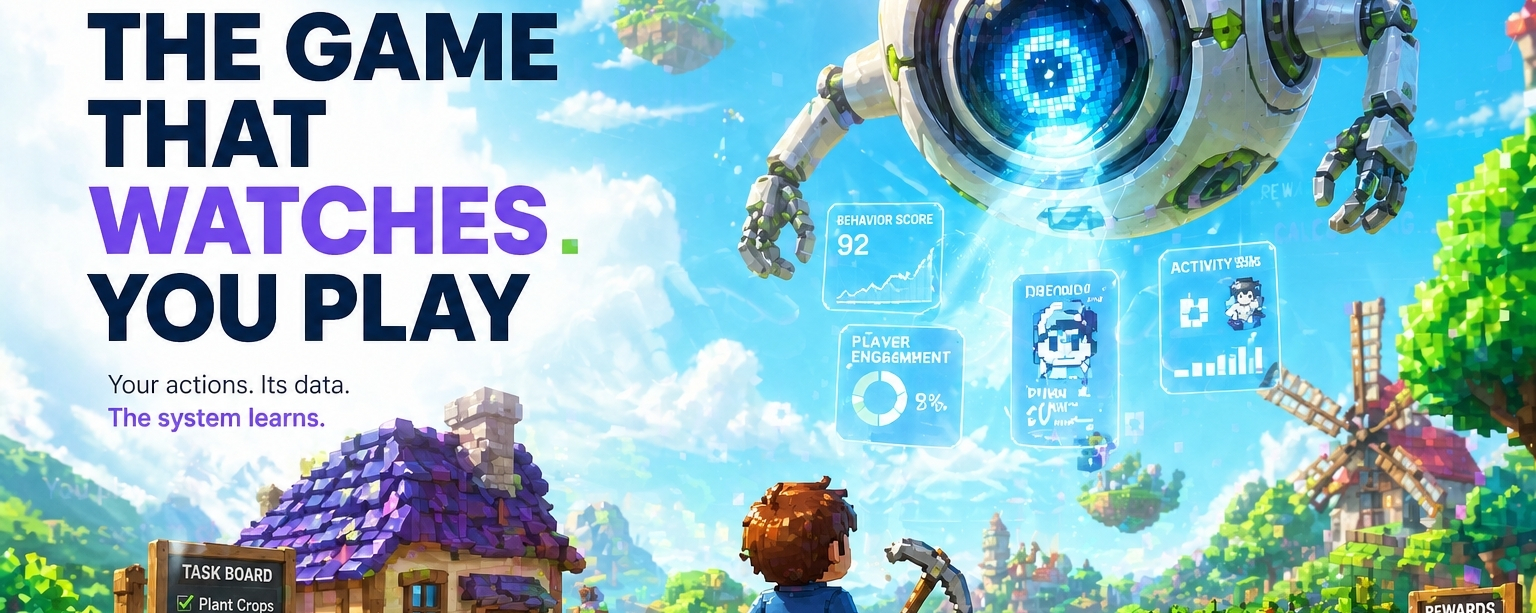
Pixels didn’t feel complicated at the beginning.
You log in, plant something, come back later, harvest, check the Task Board, and do it again. It’s the kind of loop that runs in the background of your mind. Predictable enough that you don’t question it. Effort goes in, rewards come out. Simple.
At least, that’s how it looks early on.
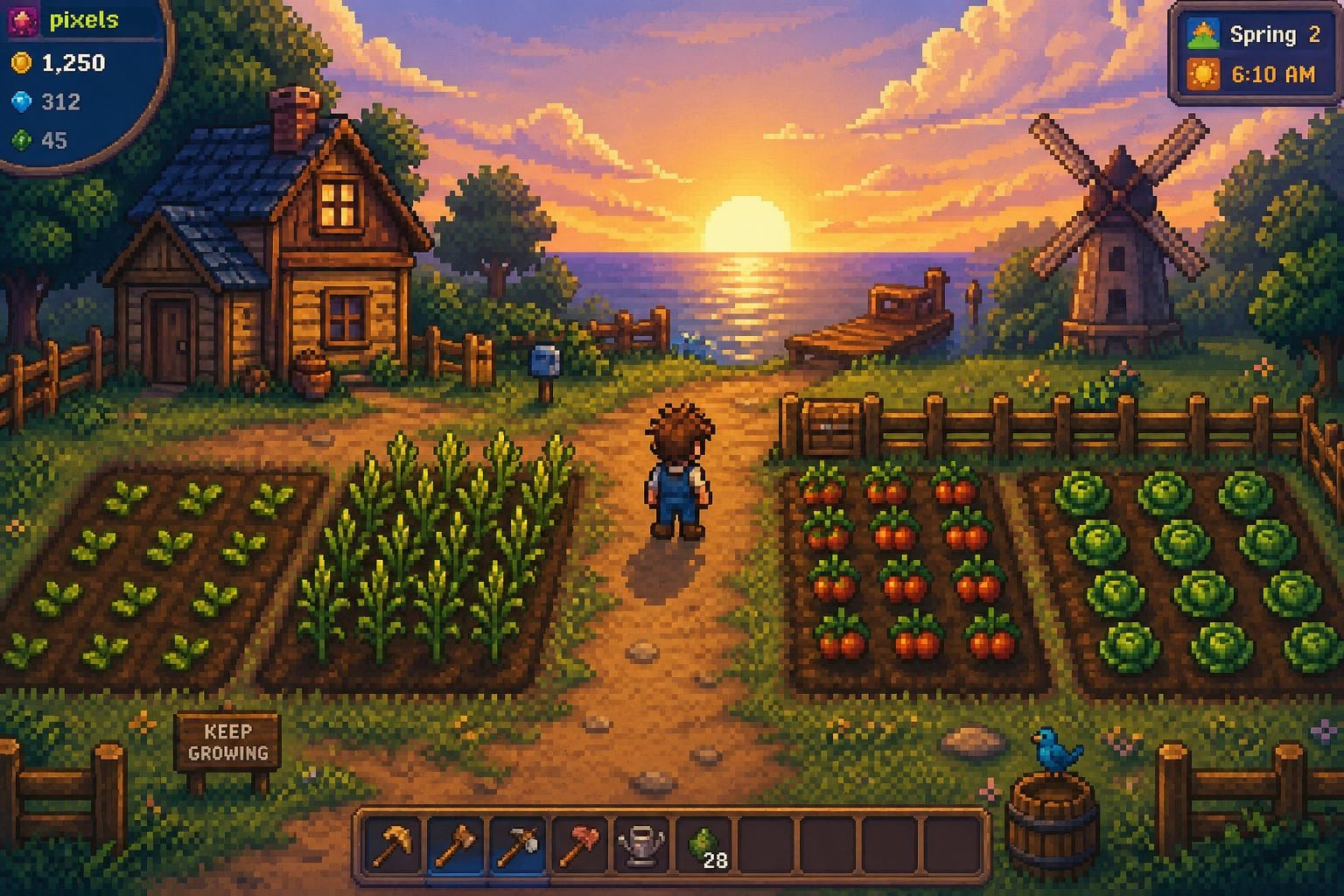
But after spending more time inside that routine, something starts to shift. Not in a way that’s obvious. Nothing breaks. Nothing announces itself. You’re still doing the same actions, moving the same way, following the same rhythm.
Yet the results don’t always line up.
You repeat a pattern that worked yesterday, expecting the same outcome today. Sometimes it matches. Other times, it doesn’t. And that gap, that slight inconsistency, starts to feel intentional.
At first, it’s easy to call it randomness. But the longer you sit with it, the harder that explanation holds.
It begins to feel like the system is reacting

Not just logging what you do, but weighing it. Adjusting how much it matters depending on context you can’t fully see. That’s when Pixels stops feeling like a fixed loop and starts feeling like something alive in the background, quietly responding.
Most GameFi systems follow a familiar path. Early on, players find the most efficient route, push it hard, extract as much value as possible, then taper off when the returns no longer justify the effort. It’s a cycle that repeats across projects.
Pixels doesn’t completely follow that script.
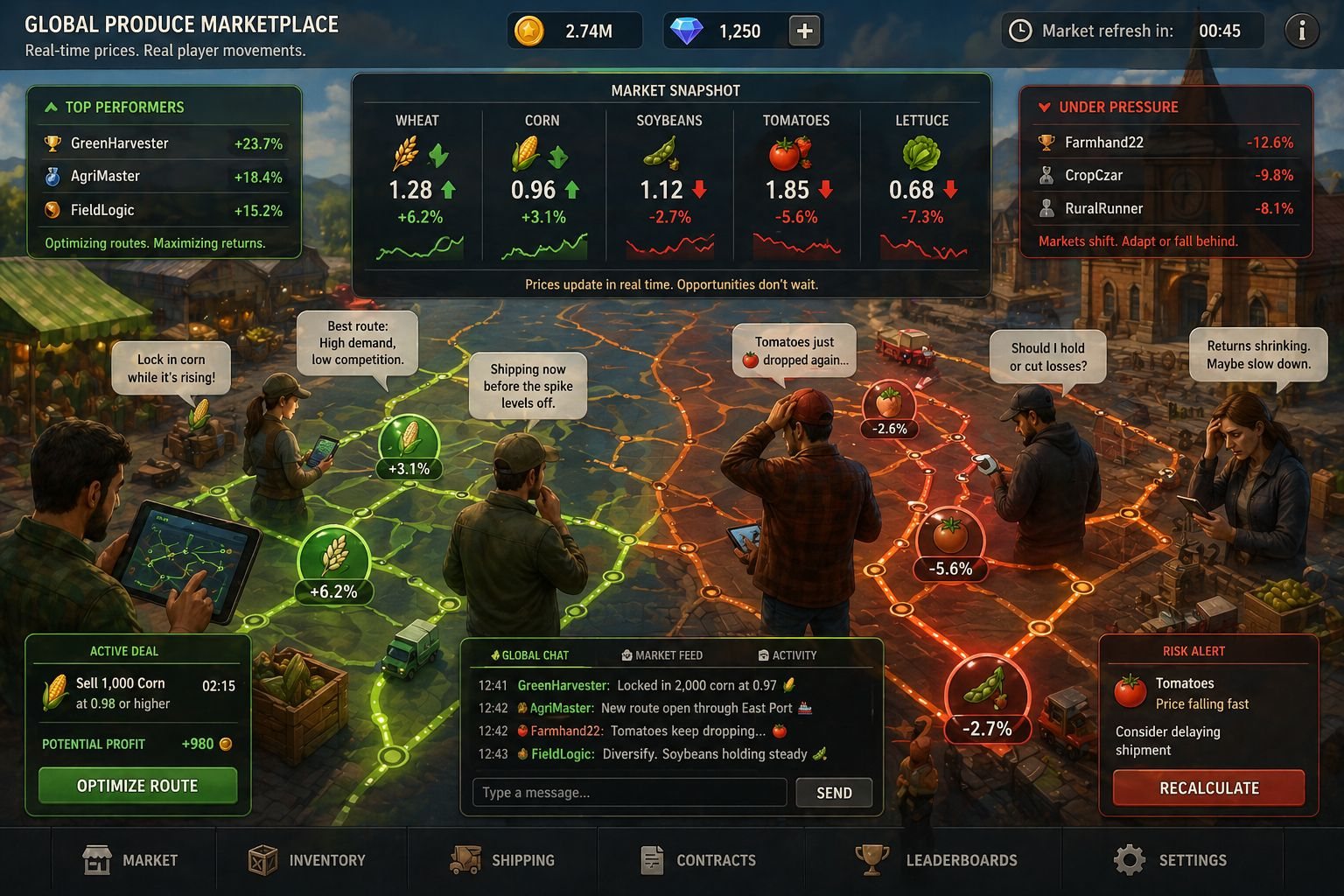
Here, outcomes don’t feel locked in. The same action doesn’t guarantee the same result. Instead, it feels conditional, like the system is constantly reassessing whether a behavior still deserves to be rewarded.
That shift changes how you think.
It’s no longer just about finding the best move. It’s about understanding whether that move still holds weight over time. What used to feel like a direct exchange starts to feel more like a negotiation.
And slowly, your focus changes with it.
You stop thinking in terms of isolated efficiency and start noticing patterns. What keeps working. What fades out. What the system seems to encourage without ever saying it out loud.
That’s where the idea of reward efficiency becomes something else entirely. Not just optimization, but selection. Certain behaviors get reinforced, especially the ones tied to consistency and ongoing participation. Others don’t disappear, but they lose impact, almost like they’re being phased out quietly.
Then you look at the token side, and it reflects the same tension.
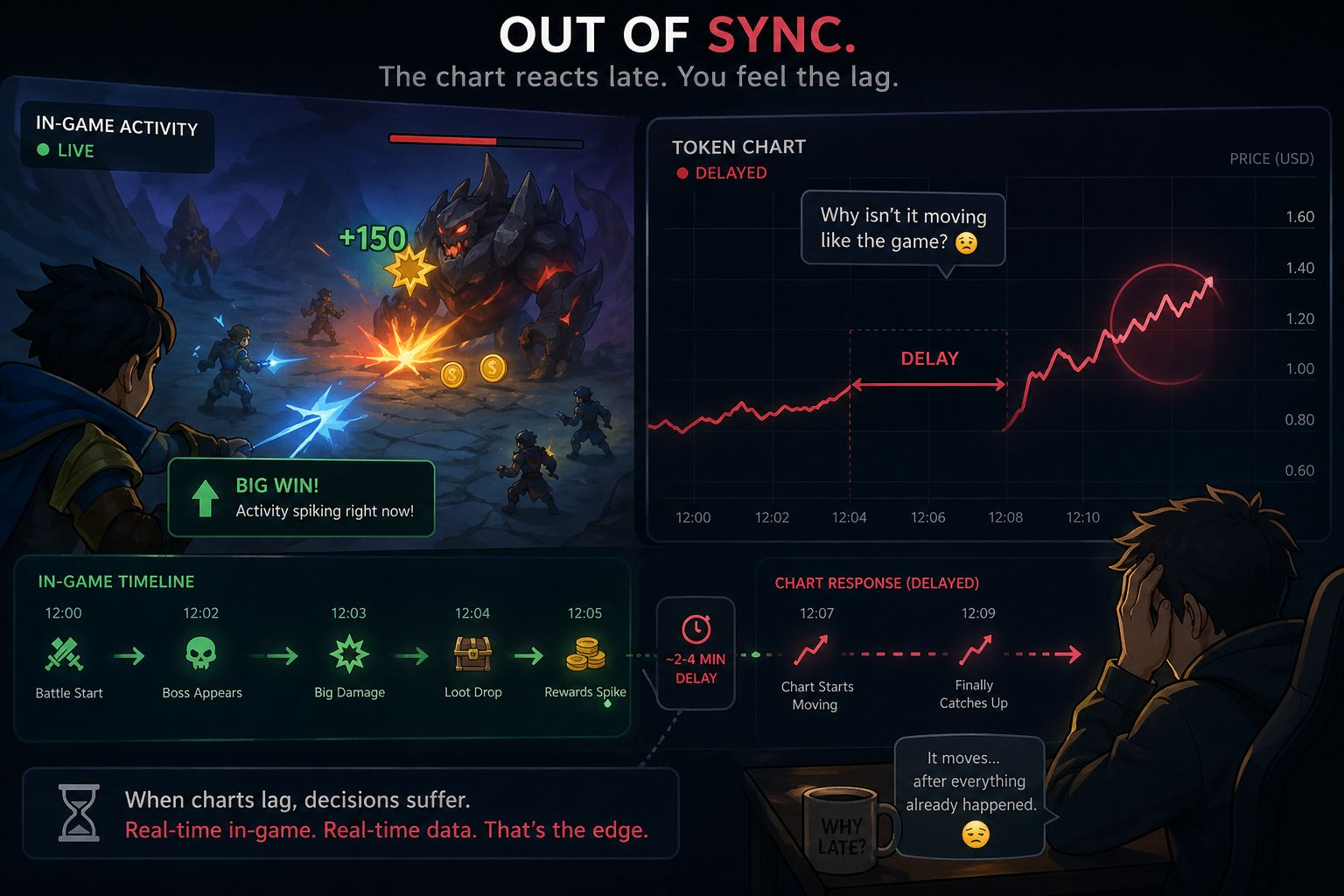
$PIXEL doesn’t always react in real time to what’s happening in-game. Activity can spike, but price stays still. Then later, it moves. Delayed. Like it’s not tracking what players are doing moment to moment, but something deeper, something tied to how sustainable that activity actually is.
And that’s where everything starts to connect.
The game no longer feels like a place where value is created instantly. It feels more like a space where value is suggested, then filtered before it ever becomes real.
Which leads to a harder question.
Are we actually earning rewards… or just positioning ourselves for when the system decides those rewards make sense?
Because once outcomes stop being guaranteed, progress stops being just about effort.
It becomes about alignment.
And maybe that’s the real shift happening here.
Pixels isn’t just responding to actions.
It’s observing behavior, shaping it over time, and quietly deciding what’s worth keeping.