
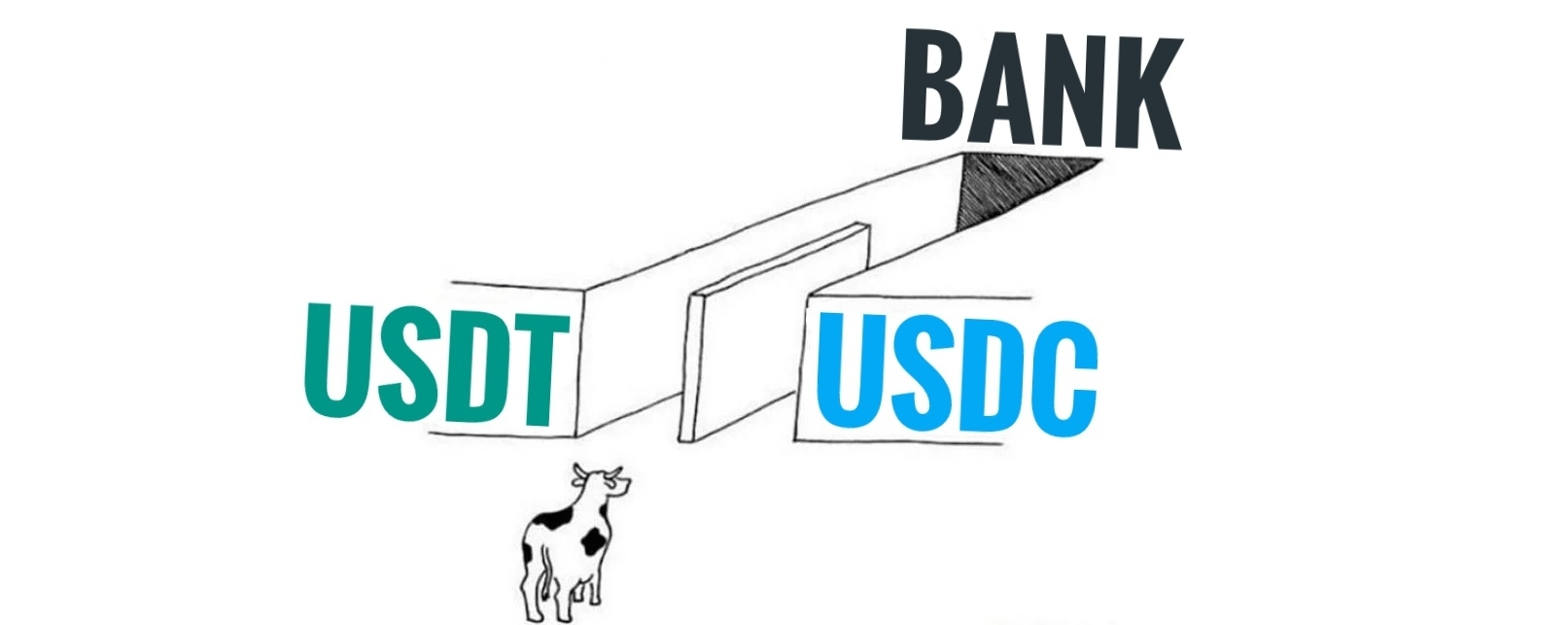
Crypto keeps selling you a dream: code is law, no kings, no gatekeepers. Then the curtain twitches and you spot the admin panel.
Case one: Tether. After U.S. authorities flagged wallets linked to Iran, $344 million in USDT was frozen. Not “the network decided.” Not “validators reached consensus.” A company flipped a switch. Efficient? Absolutely. Decentralised? Don’t make me laugh.
Case two: Circle and the Drift Protocol hack. Roughly $280 million gets siphoned, about $230 million routed through USDC. Circle doesn’t freeze mid-heist. Why? Policy: wait for a court order. Translation: same power, different trigger finger. Less “can’t,” more “won’t—yet.”
This is the part nobody wants to say out loud: stablecoins aren’t decentralised money, they’re programmable bank deposits wearing blockchain cosplay. The smart contract is just the front desk; the issuer still holds the master key.
And yes, there’s a trade-off. Tether’s speed makes it a dream for enforcement—sanctions land, funds stop moving. But that same speed is a nightmare if you’re on the wrong side of a mistake. Circle’s legalism buys process and predictability, but in a live exploit it can look like watching a bank robbery while waiting for the judge to sign the warrant.
So pick your poison. Fast freeze or due process. Either way, the myth dies the same death: your permissionless dollar has permissions.
#TetherFreezes$344MUSDTatUSLawEnforcementRequest $USDC $USDT #DeFi #decentralization
