There's a concept in urban planning called the difference between a tourist city and a lived city.
Tourist cities are optimized for first impressions. Clean facades. Easy navigation. Everything is designed to impress someone who will leave in three days and never return. The experience is polished but shallow. Nobody is building a life there.
Lived cities are different. They're messier. Harder to understand at first. But underneath the surface, there's infrastructure designed for people who intend to stay. Schools, not just hotels. Markets, not just restaurants. Institutions that assume the person using them today will still be here in five years.
Most Web3 games are tourist cities.
Pixels is trying to become a lived city.
That distinction more than tokenomics, more than player count, more than any price movement is what will determine whether $PIXEL matters in three years.
Think about what tourist game design looks like.
High initial rewards to attract players. Flashy launch events. Token incentives for early participation. Everything optimized for the first impression, the first week, the first month.
It works beautifully until it doesn't. Because tourists don't build economies. They consume them. They extract value and move to the next destination. The game looks alive while the tourists are there. Then they leave, and what remains is an empty shell optimized for people who no longer exist.
This is the story of almost every P2E game that launched between 2021 and 2023.
Pixels survived that era. And I think it survived because, somewhere in its design philosophy, it made a different bet.
The bet wasn't "how do we attract more players?"
It was "how do we make players want to stay?"
Those sound similar. They're not.
Attracting players is a marketing problem. You solve it with incentives, partnerships, listings, hype cycles. Expensive. Temporary. Replaceable.
Making players want to stay is an infrastructure problem. You solve it by building things that get better the longer you use them. Land that compounds in value. Reputation that opens new doors. Relationships that make leaving costly. Skills that transfer across the expanding ecosystem.
Infrastructure compounds. Marketing doesn't.
Look at the specific design decisions Pixels has made through this lens.
Reputation Points aren't just anti-bot measures. They're residency requirements. They reward players who behave like they intend to stay consistent activity, social contribution, task completion. They penalize players who behave like tourists extract and exit, multi-account, bot behavior.
Unions aren't just guild mechanics. They're neighborhood associations. They create obligations that extend beyond individual sessions. Your presence affects your neighbors. Your absence has consequences beyond your own account.
Land ownership isn't just an NFT investment. It's a property deed. It ties your economic position to the health of the broader world. Landowners don't just want their token to go up they want the entire ecosystem to thrive, because their asset's value depends on it.
Every one of these systems is infrastructure design, not marketing design.
The risk is real, of course.
Infrastructure takes time to build and even longer to be recognized. Tourist games get attention immediately. Lived cities get appreciation slowly.
$PIXEL's price reflects tourist game expectations quick returns, fast cycles, exit before collapse. The market hasn't fully priced in what resident infrastructure looks like at scale.
Maybe it never will. Maybe Pixels doesn't execute on the vision. Maybe the tourist players leave before the resident infrastructure matures enough to sustain the economy.
These are real risks. I'm not dismissing them.
But here's what I keep coming back to.
The games that lasted the ones still running after a decade weren't the ones with the best launches. They were the ones that made players feel like residents. Like the world was partly theirs. Like leaving meant losing something that couldn't be replaced elsewhere.
Pixels is building for that player.
Whether enough of those players exist and whether they arrive before the tourist economy exhausts itself that's the only question that matters now.
Are you playing Pixels like a tourist or building like a resident?
@Pixels $PIXEL #pixel #GameFi #web3gaming

Article
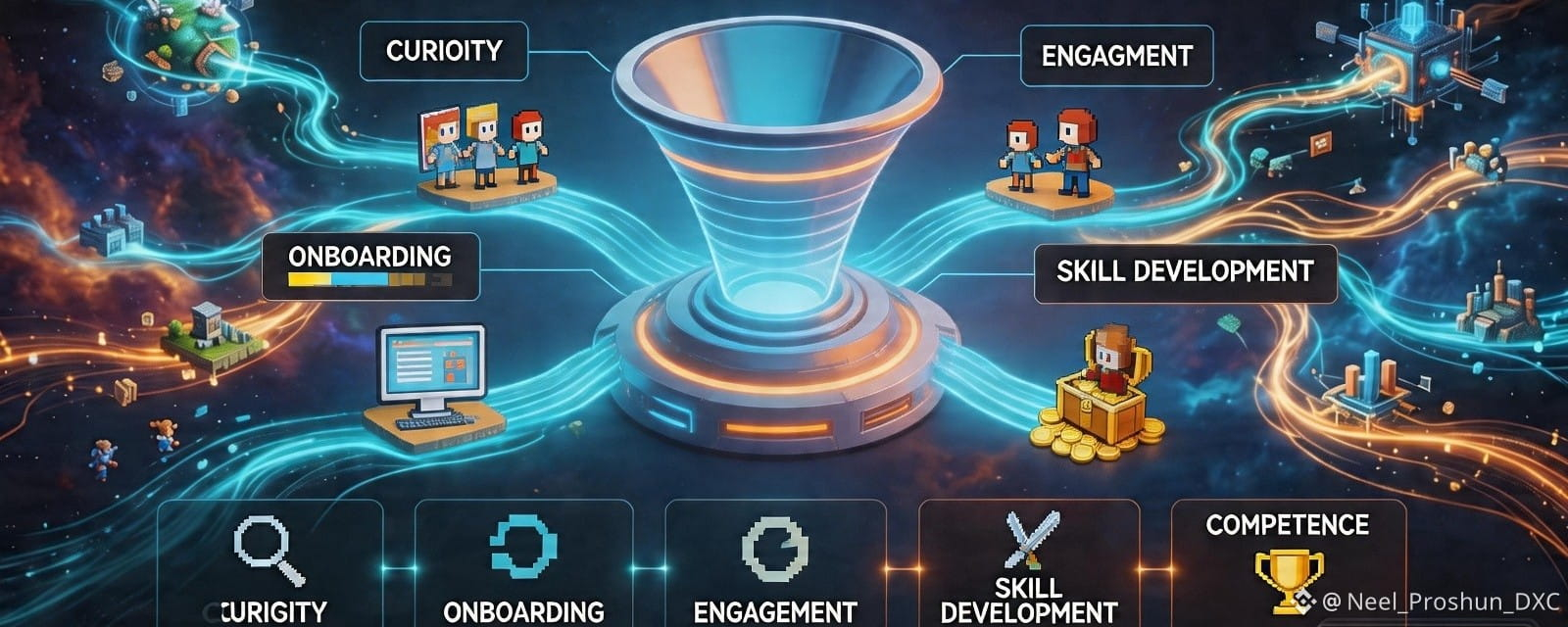
Most Games Build for Visitors. Pixels Is Building for Residents. That Distinction Will Decide Everyt
Disclaimer: Includes third-party opinions. No financial advice. May include sponsored content. See T&Cs.