At first, Pixels feels easy to understand.
You log in, plant crops, harvest, gather, sell.
Upgrade tools, improve land, repeat the loop.
It’s calm. Predictable. Almost effortless.
And that simplicity is exactly what draws people in.
But if you spend more time inside the system, something starts to shift.
---
From Game to System
What begins as a simple farming loop slowly feels like something more.
Not just a game… but a system.
A system that quietly responds to how people play.
Not in an obvious or forced way. There are no direct instructions, no warnings. But over time, you begin to notice small changes:
certain strategies stop working as well
rewards adjust
market dynamics shift
It doesn’t feel random.
It feels reactive.
---
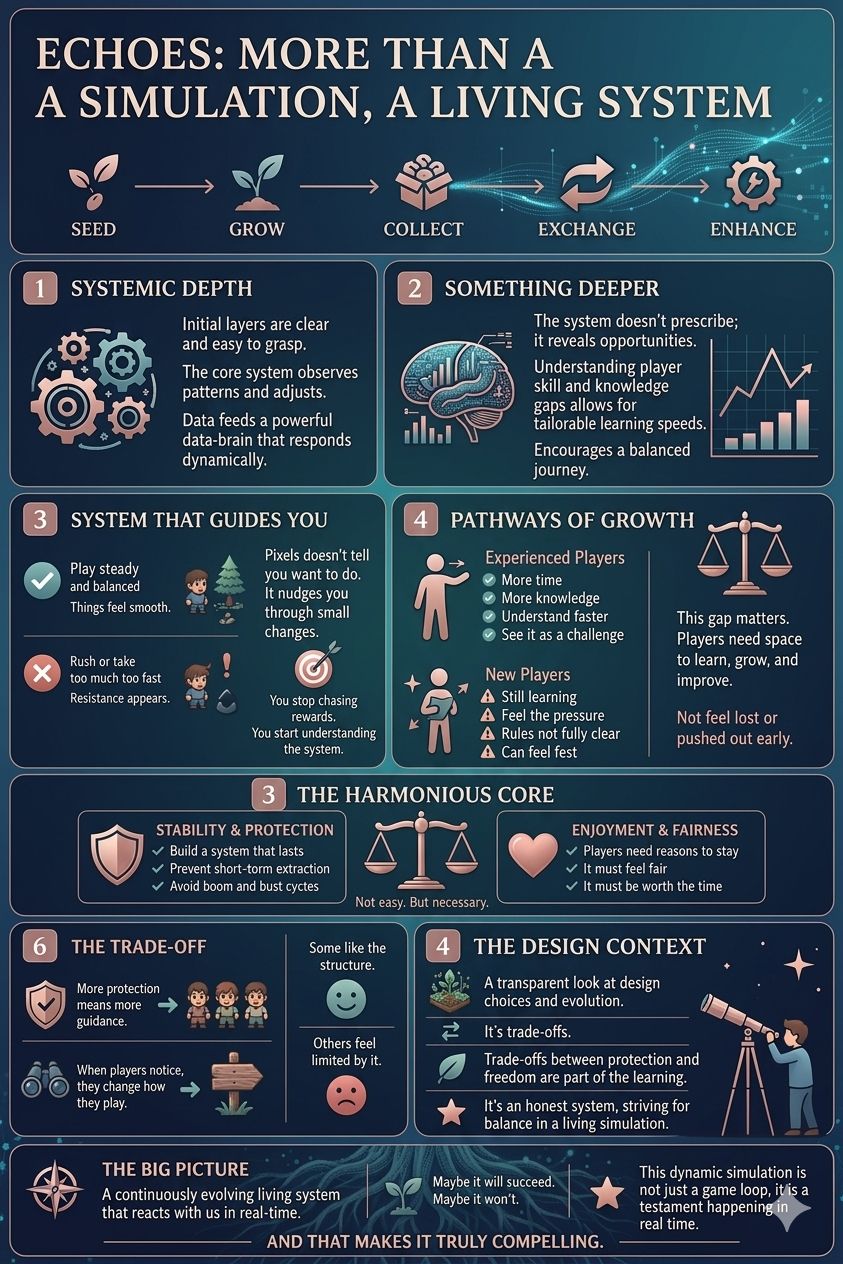
The Hidden Layer: Behavioral Feedback
Pixels isn’t just rewarding effort.
It’s responding to patterns.
When too many players follow the same path, that path weakens. When behavior becomes predictable, the system adapts.
And instead of telling you what to do…
It nudges you.
Gently.
If you play steadily, things feel smooth.
If you push too aggressively, resistance appears.
Nothing is explicitly blocked — but the friction is there.
---
When Gameplay Becomes Interpretation
At some point, the experience changes.
You stop thinking only about actions.
You start thinking about how the system works.
You begin to:
observe patterns
adjust behavior
align with what the system seems to favor
And that’s where Pixels becomes more than a game.
It becomes something you read… and respond to.
---
The Gap Between Players
This is also where tension begins to show.
Not everyone interacts with the system the same way.
Some players adapt quickly
Some have more time or experience
Others are still learning while already feeling pressure
Because the system reacts to behavior, these differences don’t stay hidden.
They widen.
For experienced players, this creates depth — something to master.
For new players, it can feel unclear — like rules exist, but aren’t fully visible yet.
And that gap matters.
---
The Balance Pixels Is Trying to Find
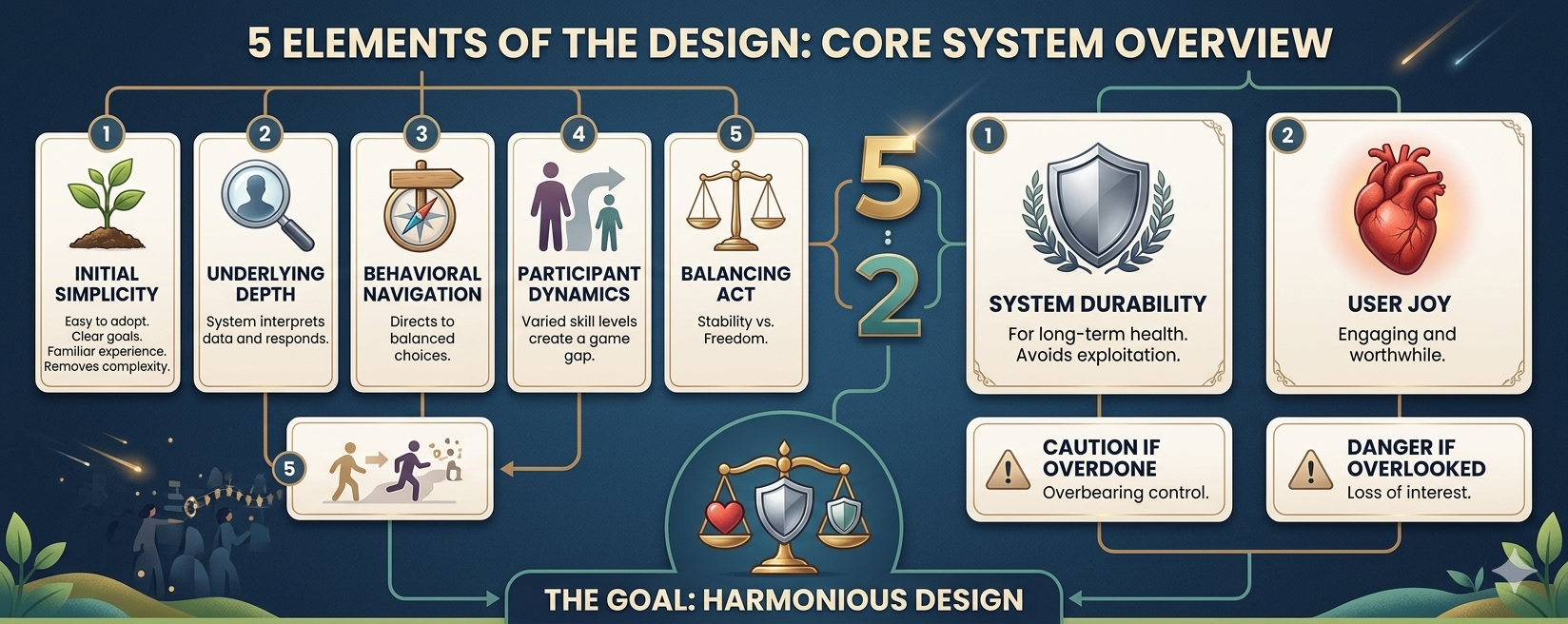
Right now, Pixels feels like it’s balancing two competing forces:
Stability vs Freedom
On one side:
a system that protects itself
adapts to prevent imbalance
avoids short-term collapse
On the other:
a game that feels enjoyable
open enough to explore
rewarding enough to stay
That balance is difficult.
Because the more a system stabilizes itself…
The more it starts shaping how players behave.
---
When Control Becomes Visible
As players spend more time in the system, they begin to notice the patterns.
And once they do, behavior changes.
It becomes less about freedom…
and more about doing things the “right” way.
Some players enjoy that structure.
Others feel constrained by it.
---
Why It Still Feels Worth Watching
For now, Pixels doesn’t feel perfect.
It feels in progress.
You can sense:
the adjustments
the trade-offs
the effort to make something sustainable
And that’s what makes it interesting.
Because this isn’t just about building a game.
It’s about building a system that:
adapts
survives
and keeps players engaged over time
---
Final Thought
I don’t know if Pixels will fully solve this balance.
But it’s one of the clearest examples of a system trying to.
Not just chasing growth…
But experimenting with how a game can evolve into something more stable, more reactive, and more lasting.
And that’s why it’s worth paying attention to @Pixels $PIXEL #pixel