
Pi Network is ramping up its profile at Consensus 2026 in Miami, sponsoring the flagship blockchain conference and putting the project squarely in front of developers, investors and policymakers as it seeks to convert a large user base into a functioning ecosystem. Pi’s co‑founders, Chengdiao Fan and Nicolas Kokkalis, will both take the stage. Fan is slated to present on May 6, outlining how Pi’s blockchain, verified identity system and global user network could underpin products for the AI and Web3 era. Kokkalis will speak on May 7 during a panel focused on proving human identity online while preserving user privacy — a topic that has gained urgency as AI makes online impersonation easier. The team announced the appearances in an X post, confirming both founders’ slots and noting Fan’s session will highlight Pi’s infrastructure and verified identity network. Identity verification remains central to Pi’s pitch: the project relies on a KYC‑based model that blends human checks with AI‑assisted tools. Pi says it has more than 18 million verified users and that its system has completed “hundreds of millions” of verification tasks across the community, positioning the network among projects building proof‑of‑personhood systems. Its mobile‑first design is intended to expand reach across diverse markets. Pi’s Consensus presence comes amid a technical transition. Node operators were required to upgrade to Protocol 22 by April 27 to avoid potential removal from active network support. Protocol 22 adds support for node software and desktop applications and prepares the chain for Protocol 23, expected in May, which is designed to enable smart contracts. The roadmap also includes a planned PiRC1 token standard — signals that the team is pushing toward a broader developer ecosystem and on‑chain functionality. The market has responded. According to CoinGecko, Pi’s token rose about 5.30% over 24 hours to trade near $0.18 as attention focused on the project’s Consensus participation and its upcoming network upgrades. What to watch next: the founders’ presentations at Consensus, whether node operators complete the Protocol 22 migration, the rollout of Protocol 23 and how quickly developers begin to experiment with PiRC1 and smart‑contract capabilities. These steps will be critical if Pi hopes to translate its large user base into sustained on‑chain activity. Read more AI-generated news on: undefined/news

Article
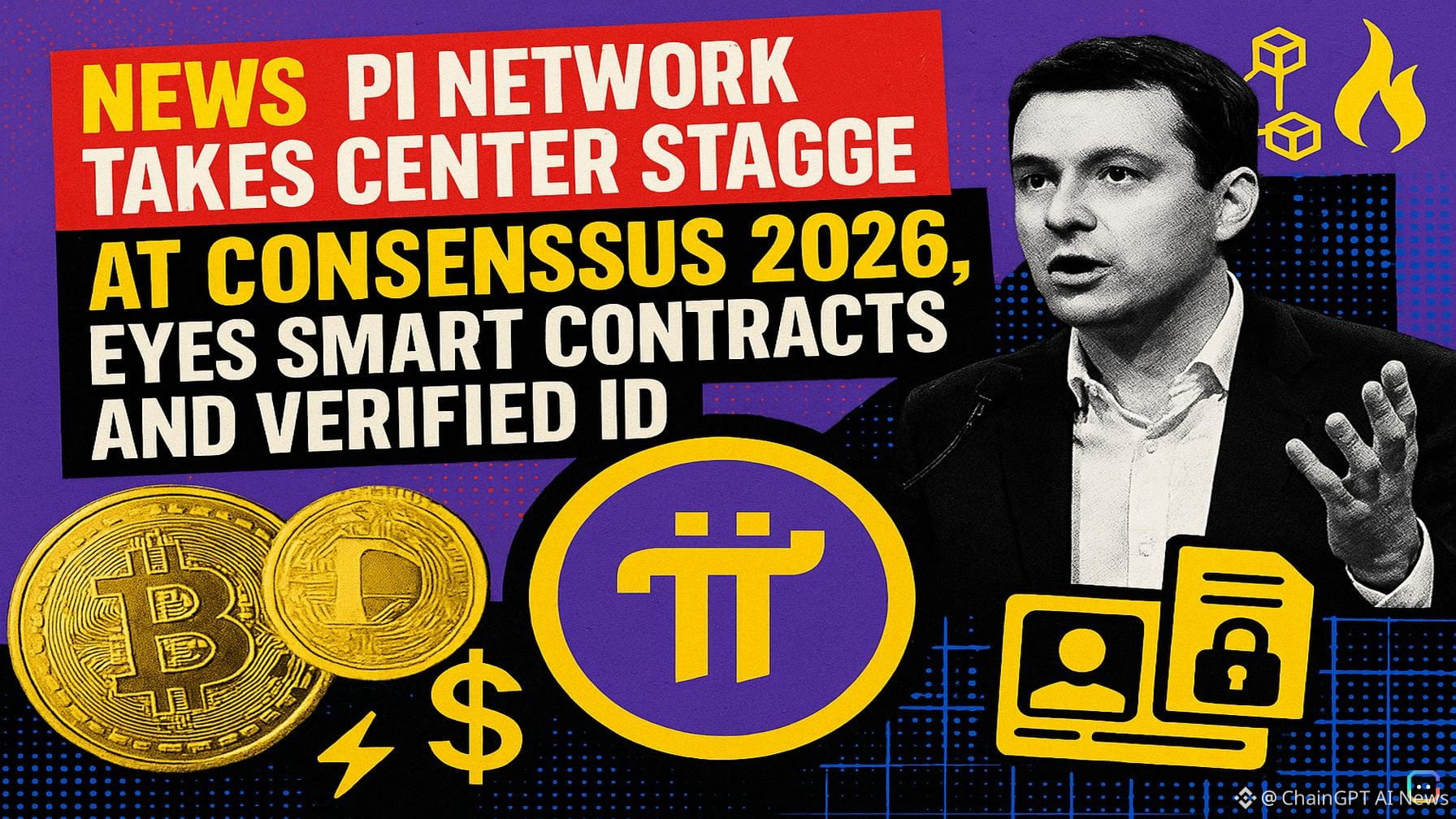
Pi Network Takes Center Stage At Consensus 2026, Eyes Smart Contracts and Verified ID
Disclaimer: Includes third-party opinions. No financial advice. May include sponsored content. See T&Cs.