
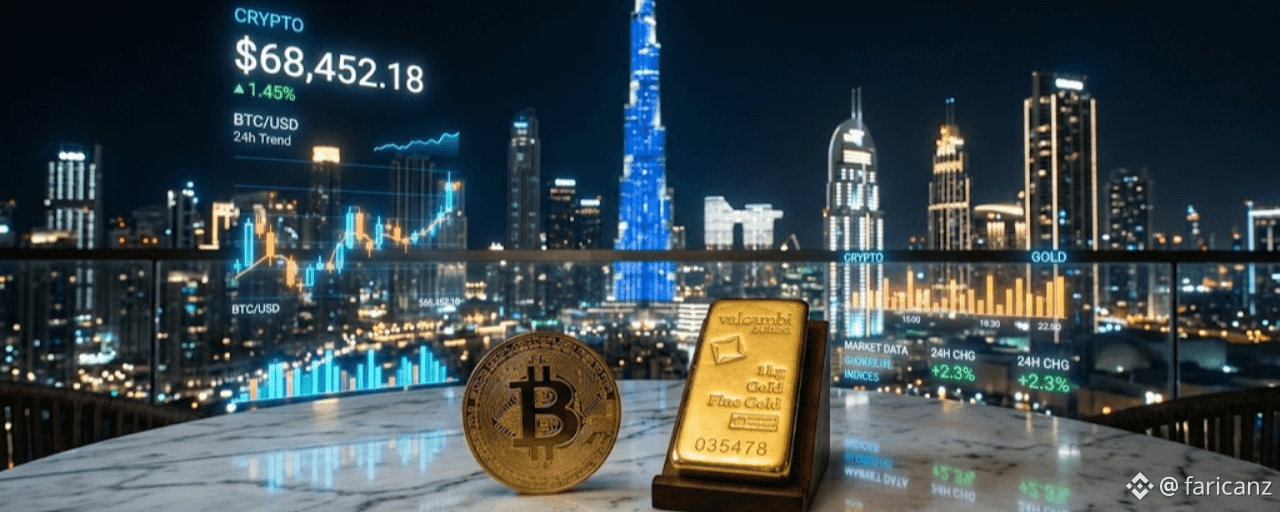
Hello fellow traders and investors! Looking back, the global financial landscape has changed drastically. As we approach 2026, the most frequently asked questions in community groups are no longer "what is crypto," but rather more specifically, long-term strategies. Many still ask, "Where is the safest place to buy Bitcoin?" and is now still a good time.
Personally, I see 2026 as a coming-of-age year for digital assets. Let's dive deeper into why Bitcoin is no longer just a trend, but a core part of a healthy investment portfolio.
Why Bitcoin in 2026?

The main underlying reason is mass adoption. By 2026, we'll see Bitcoin no longer being used solely by the tech community. The integration of local and global payment systems will be seamless. Many large institutions that were once skeptical have now become major holders (HODLers) because they realize one thing: Bitcoin's supply is limited.
Unlike fiat currencies, which can be printed at any time, Bitcoin will only ever be limited to 21 million coins. This mathematical scarcity is why it is often referred to as "Digital Gold." As institutional demand continues to rise while market supply dwindles, basic economic laws will come into play. This is a strong reason why many people are starting to look for ways to buy Bitcoin to protect their wealth from inflation.
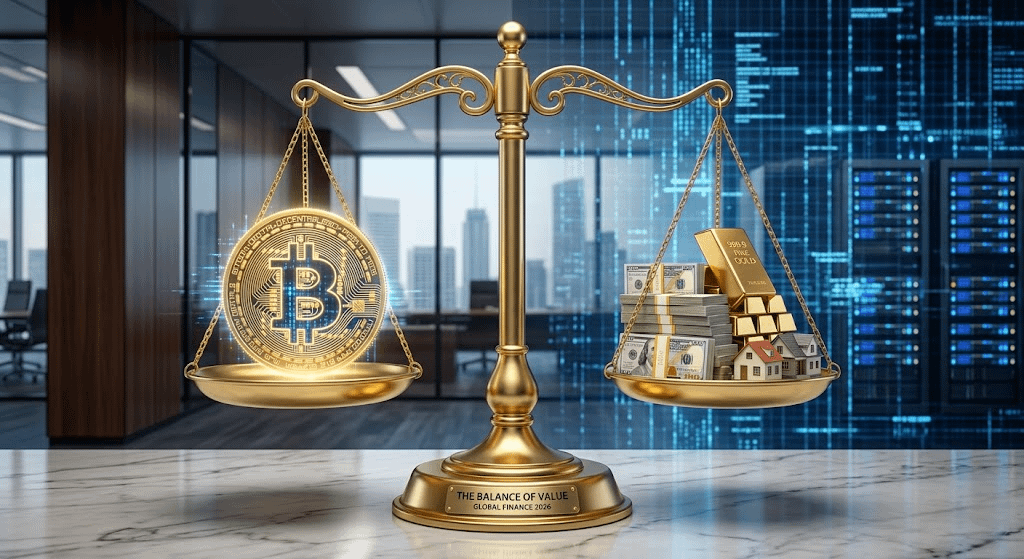
Diversification: Why Is Bitcoin Different from Traditional Assets?
We often compare Bitcoin to gold. It's true, both are hedge assets. However, Bitcoin offers something physical gold doesn't: portability and instant liquidity. Carrying a billion rupiah worth of physical gold is certainly inconvenient and risky, but with Bitcoin, you can carry it in a digital "pocket" and transact anywhere globally.
In a modern portfolio, Bitcoin serves as an aggressive yet measured diversification tool. Amidst the ever-changing uncertainty of the financial landscape, owning an asset that isn't directly tied to a country's central bank policies provides an extra sense of security. If you're already familiar with stocks or gold, starting to buy crypto—particularly Bitcoin—can be a smart balancing act.

Organic Strategy: Where and How to Buy Bitcoin?
For beginners just starting out, don't feel left behind. The most crucial first step is understanding how to buy bitcoin through a regulated and secure platform like Binance. Choosing a trusted trading platform is key to keeping your assets safe.
My advice: don't use all your hard-earned cash at once. Use a Dollar Cost Averaging (DCA) strategy. By making regular purchases, you'll achieve a more stable average price and avoid the stress of daily crypto market volatility.

Accessibility for Everyday Investors
Crypto may have once felt exclusive to coding savvy or high-stakes speculators. But in 2026, its accessibility is unprecedented. Everyday investors, from students to office workers, can easily buy bitcoin simply through an app on their phone.
Bitcoin has transformed into an inclusive instrument. Its long-term potential remains strong as its ecosystem continues to evolve, from Layer 2 solutions that reduce transaction costs to the use of Bitcoin as collateral in various decentralized financial services.

Conclusion: The Decision Is In Your Hands
As we enter 2026, Bitcoin is no longer about "getting rich quick," but about financial resilience. With maturing global adoption and growing institutional interest, Bitcoin is showing increasingly solid potential as a long-term asset.
If you haven't already, now might be a good time to do some independent research. Understand the risks, set your goals, and start small. Deciding to buy bitcoin now means you're investing in a technology of the future that's already proven to be viable.
Remember, crypto investing carries the risk of volatility. Always use money allocated for investment, and don't forget to continue learning in a healthy community like Binance Square.
What do you think? Are you ready to add Bitcoin to your portfolio this year? Let's discuss it in the comments!
Disclaimer: This article is for informational purposes only and does not constitute professional financial advice. Always conduct your own research (DIY) before making any investment decisions.