
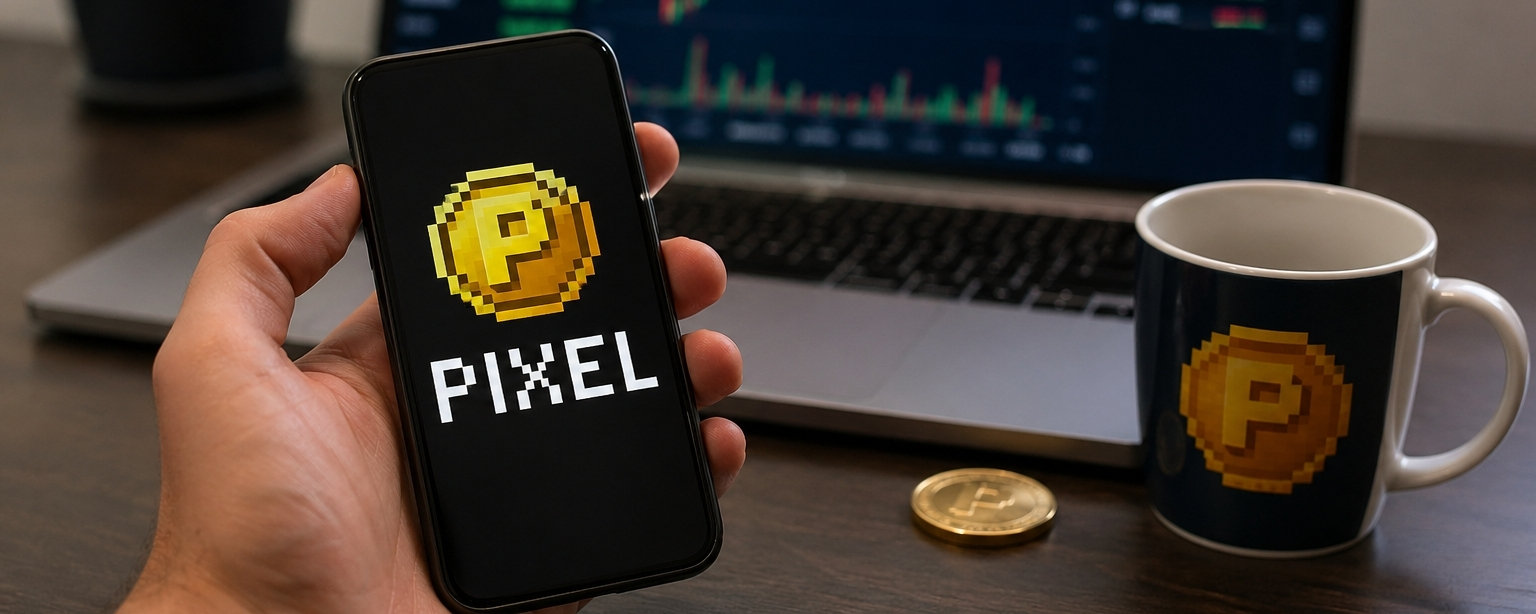
Pixel coin trading—often associated with gaming ecosystems, NFTs, or metaverse-based economies—has gained attention as a unique way to engage with digital assets. While it shares similarities with traditional cryptocurrency trading, it also offers distinct benefits tied to creativity, accessibility, and interactive value.
One of the most notable advantages is accessibility. Pixel coins are usually part of smaller or emerging platforms, which means their entry cost is often lower than major cryptocurrencies. This allows beginners to participate without committing large amounts of money. For many users, especially younger audiences familiar with gaming, pixel coin trading serves as an approachable introduction to digital finance and blockchain-based assets.
Another key benefit is the strong connection to virtual environments. Pixel coins are often integrated into games or metaverse platforms where users can buy, sell, or trade digital items such as skins, characters, land, or accessories. This creates a dual-purpose system where the currency is not only an investment tool but also a medium for enhancing gameplay or creative expression. As a result, users can derive both financial and entertainment value from their participation.
Pixel coin trading also encourages community engagement. Many of these projects rely heavily on active user bases, where traders, gamers, and developers interact regularly. Communities often share updates, strategies, and insights, which can help traders make informed decisions. This collaborative atmosphere can make the trading experience more dynamic and socially rewarding compared to traditional financial markets.
In addition, there is potential for profit. Pixel coins, like other digital assets, can experience price fluctuations based on demand, project development, partnerships, or overall market trends. Early adopters of promising projects may benefit from significant value appreciation if the platform grows in popularity. While this potential comes with risk, it can be appealing to those willing to research and monitor the market carefully.
Another benefit is the opportunity to learn valuable financial and technological skills. Engaging in pixel coin trading requires understanding concepts such as supply and demand, market volatility, digital wallets, and sometimes blockchain technology. These skills are increasingly relevant in today’s digital economy and can provide a foundation for exploring broader investment opportunities.
Creativity and ownership are also important aspects. Many pixel-based ecosystems involve NFTs or unique digital items, giving users a sense of ownership over in-game assets. Traders can buy, sell, or even create items, turning creativity into economic value. This blend of art, gaming, and finance is something traditional markets rarely offer.
Finally, pixel coin trading can be highly flexible. Most platforms operate online and are available 24/7, allowing users to trade at their convenience. This flexibility makes it easier to balance trading with other responsibilities, whether as a hobby or a more serious pursuit.
Despite these benefits, it’s essential to approach pixel coin trading with caution. The market can be volatile, and not all projects are reliable or sustainable. Careful research, risk management, and realistic expectations are crucial for making the most of this evolving space.
