

I’ve learned new feature releases only matter when liquidity is cautious. In loose markets, almost any update gets a temporary reaction. In tighter conditions, users test the product first and capital follows later, if it follows at all. That’s where Pixel sits now. Attention seems more selective, so gameplay improvements need to create real return visits rather than one-night spikes. When I watch @Pixels I’m less interested in announcement volume and more interested in whether session activity keeps showing up days later.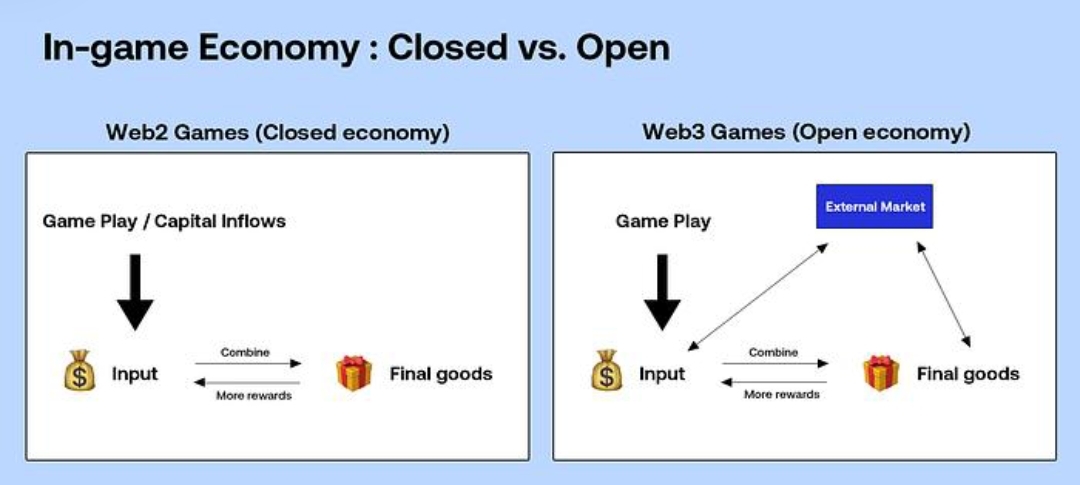
A useful clue came from recent activity bursts around game events where wallet interactions and transfer counts rose, then cooled quickly after reward windows passed. That pattern suggests users respond to content, but stickiness still decides the next phase. If a gameplay patch reduces friction, adds progression loops, or makes assets more useful, retention can quietly improve even when price doesn’t move. I care about withdrawal timing too: if earned tokens leave immediately, providers stay cautious; if balances remain active in-system, confidence builds slower but cleaner. #pixel can trend for a day, but how many players are still around next week?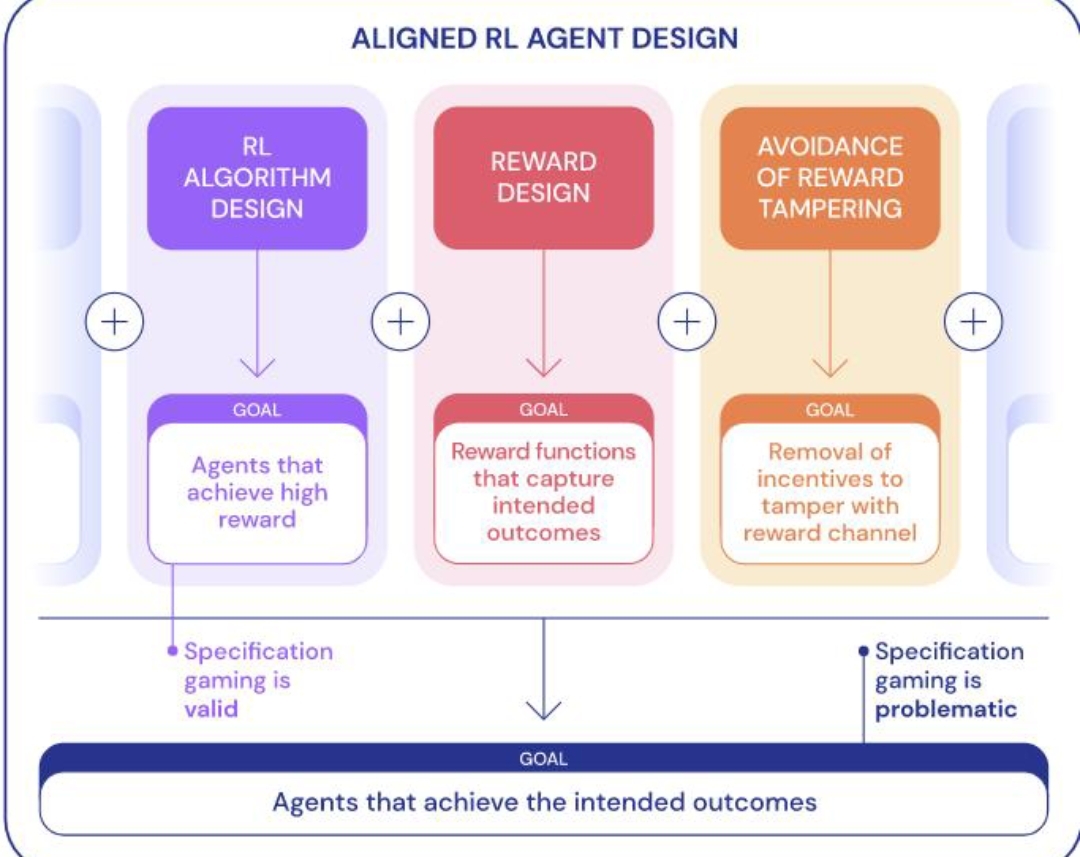
For participants, the practical move is to track behavior after the patch notes fade. Look at marketplace flow, repeat wallet presence, and whether guilds or friend groups keep engaging without extra incentives. For builders, smoother onboarding and clearer reasons to return often outperform flashy mechanics. $PIXEL becomes more relevant when updates create habits instead of moments. I’ve seen communities strengthen this way—quietly, through consistency, not noise.