
I’ve sunk hundreds of hours into GameFi projects over the years. The usual script: grind harder, optimize loops, chase the meta. For a while in Pixels it felt exactly like that. Some days everything clicked — clean farming runs, upgrades landing perfectly, rewards flowing. Other days? Same habits, same effort, but the results felt… off. Not broken. Just quietly inconsistent. No obvious bug, no patch note. Just a sense that the system wasn’t reading my inputs the same way.
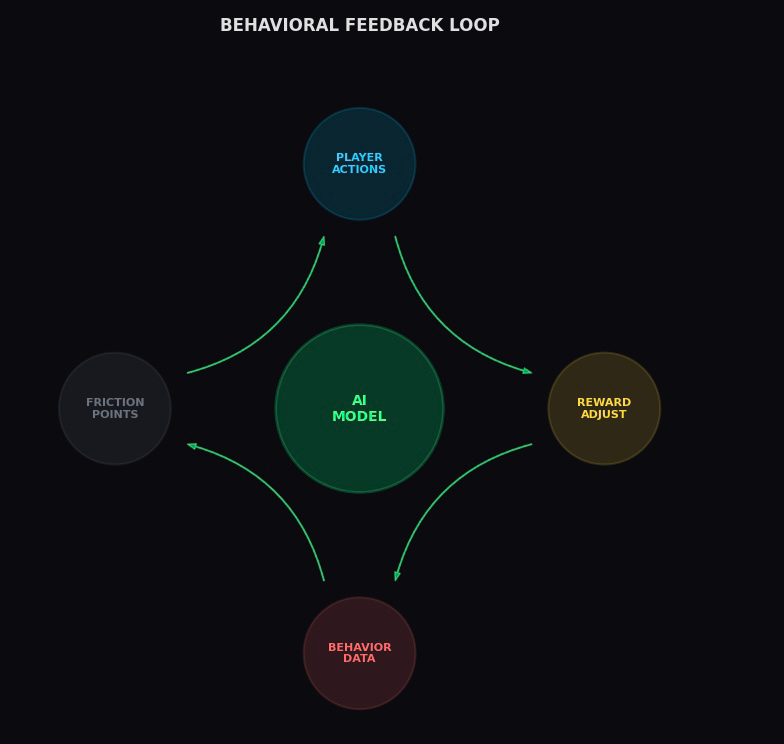 At first I blamed myself. That’s the default reflex in every P2E game I’ve ever played — if the token isn’t printing, you’re doing it wrong. So I tightened everything: tighter loops, zero wasted clicks, perfect timing on land use and crafting. It worked… for a bit. Then I started noticing something weirder. Players who looked way less “optimized” on paper were sliding through with smoother progress. Less friction. Same game, different vibe. That’s when the illusion cracked.
 Traditional Play-to-Earn is basically broken at this point. You flood the economy with activity, rewards spike, everyone dumps, price crashes, retention dies. We’ve seen it a dozen times. Pixels feels different — almost uncomfortably so. It doesn’t just hand out tokens for button-mashing. It watches patterns. How consistently you show up, what you reinvest in, whether you’re actually participating or just extracting. The longer I played, the more it felt like the game had quietly built a behavioral model of me — and everyone else.
And yeah, that sounds a little dystopian until you see the results. As of April 2026, Pixels is sitting at over 150,000 daily active players with a total player base north of 10 million. That’s not hype numbers — that’s retention most GameFi projects can only dream about. They even introduced a “Return on Reward Spend” (RORS) metric that’s designed to make sure every PIXEL handed out actually generates more value back into the ecosystem than it costs. It’s not just economics anymore. It’s economics with an AI-like feedback loop baked in.
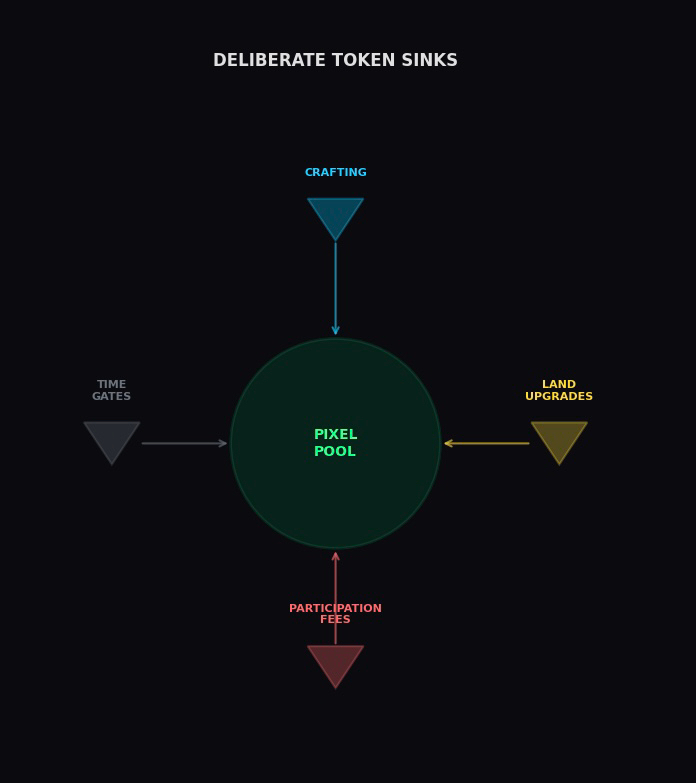
 The friction is deliberate too. Crafting, land upgrades, participation — everything slowly pulls value out of circulation. It doesn’t feel punishing; it feels balanced. The system isn’t trying to be your generous uncle. It’s trying to stay alive at scale. In a world where supply and activity cycles can swing wildly, rewarding raw volume would just create another death spiral. So instead it rewards the kind of player who sticks around, builds, spends back in, and keeps the whole thing breathing.
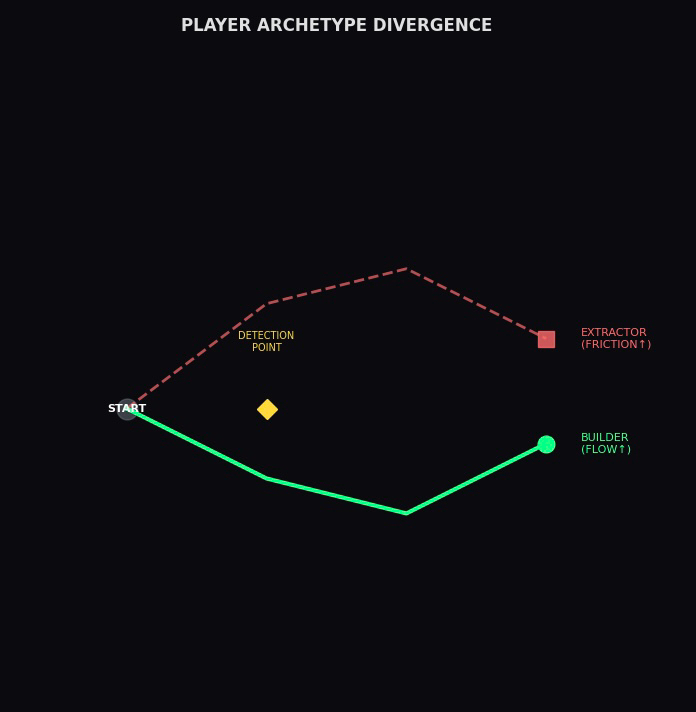
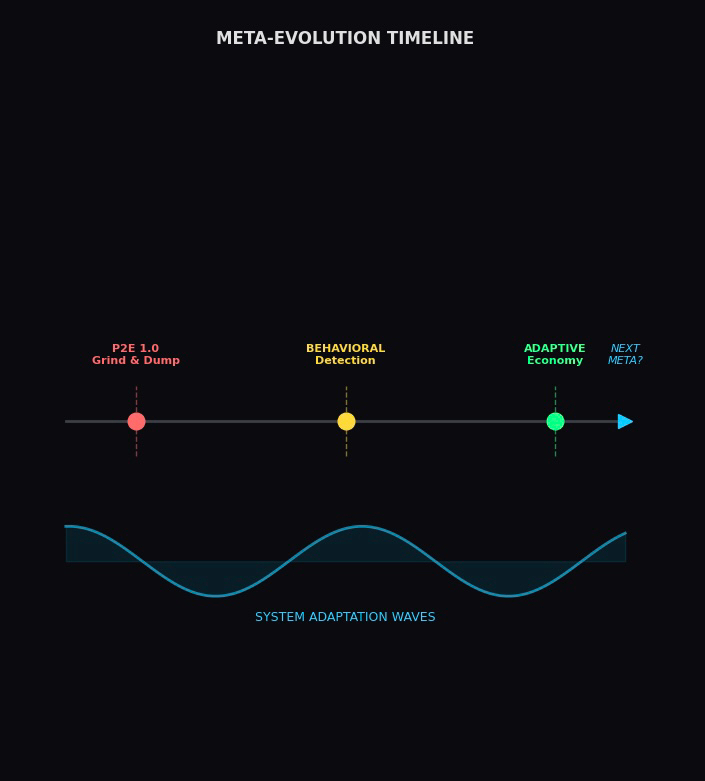 That’s the real shift: from “maximize rewards” to “what behavior does the system actually want to keep?” It stopped feeling like a loop I was running and started feeling like a living economy that was gently nudging me — and everyone else — toward sustainable play. No big announcement. No tutorial pop-up. Just outcomes that slowly diverged between players who looked identical on the surface.
Of course none of this is settled. Once behavior becomes readable, it becomes gameable. People will optimize for the new meta, imitation will creep in, and the system will have to evolve again. That tension between genuine players and clever farmers is always there. But right now? The design feels a step ahead of the certainty.
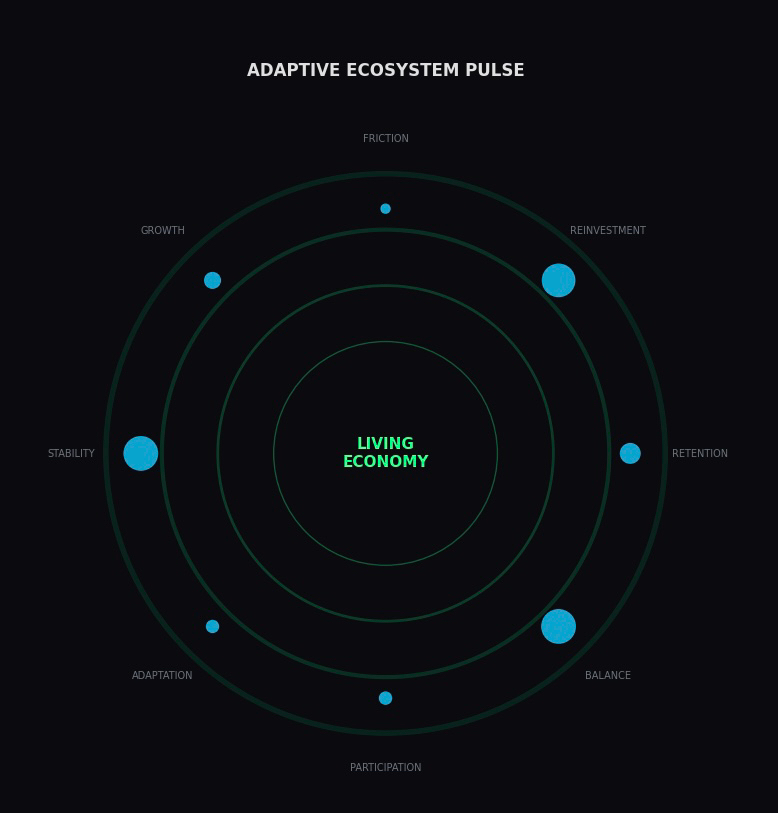 I don’t look at Pixels as just another token farm anymore. It feels closer to a quiet experiment in making a crypto game that actually learns what keeps people coming back — and then quietly rewards it.
What do you think — is this the future of GameFi, or just a smarter way to keep the same old cycle alive longer? Drop your take below. I’m genuinely curious how it feels from your end of the farm.
(Always DYOR)


