




Turtle Finance is a decentralized liquidity aggregator and yield optimization protocol. It functions by routing user deposits across various integrated lending markets and decentralized exchanges to identify the optimal yield at any given moment. This automated process removes the friction of manual compounding and asset reallocation. The system executes these reallocations using smart contracts that constantly monitor interest rates, trading volume, and liquidity depth.
A wave of protocols fail because they rely on rapid, unsustainable token issuance. Turtle Finance takes the exact opposite approach. It is an automated yield protocol built to optimize capital efficiency and generate sustainable returns for liquidity providers.
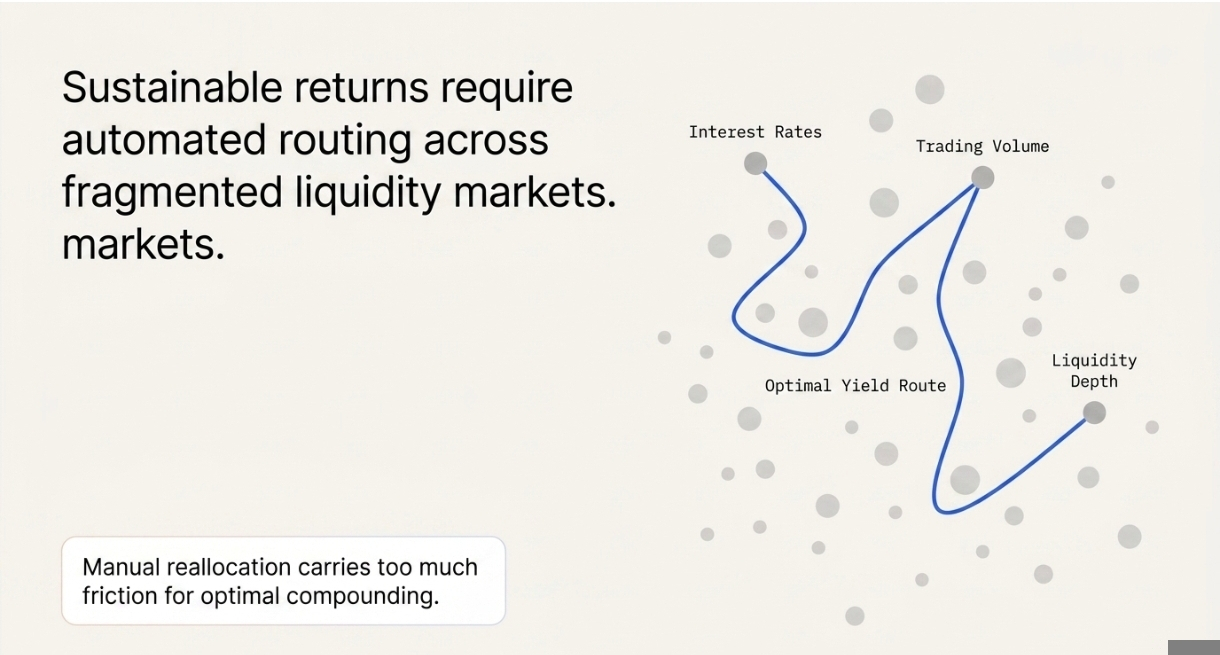
The protocol achieves this through algorithmic asset management and structured yield generation strategies. The core design prioritizes security, predictable output, and long-term capital retention. This marks a clear distinction from platforms built around brief momentum spikes. The focus remains strictly on robust smart contract execution and verifiable financial mechanisms.
The protocol strips away unnecessary complexity and presents a straightforward interface for capital deployment. This reduces user error and increases overall capital retention within the system. It's Just Your Capital, Your Preference and Your Yield.
II. The Product and Core Mechanics
Turtle Finance relies on a straightforward product architecture. The platform consists of automated vaults, single-sided liquidity pools, and an internal routing engine. Users deposit base assets into the smart contracts.
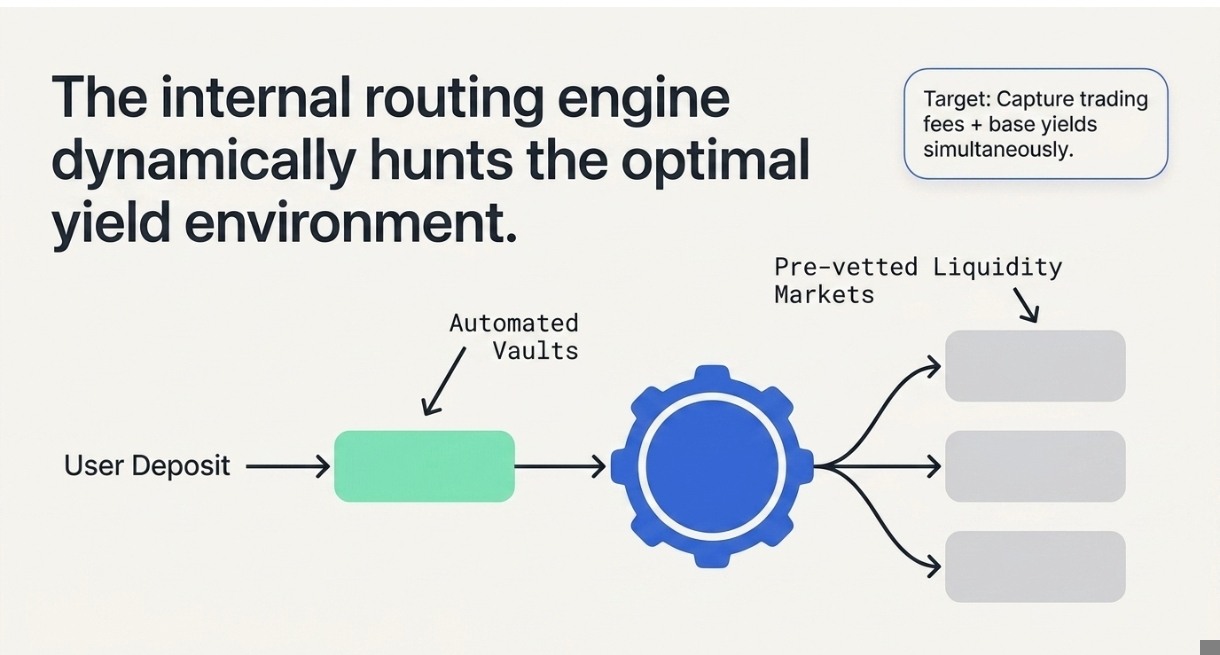
The protocol then deploys these assets across pre-vetted liquidity pools to capture trading fees and base yields. Risk management is hardcoded into this process. The routing engine evaluates the liquidity depth and historical volatility of a target pool before deploying capital. This protects users from high-slippage environments and impermanent loss traps.
The numbers define the product's viability. The platform targets a stable Annual Percentage Yield framework rather than inflationary spikes. Through optimized routing, Turtle Finance maintains an average capital efficiency ratio that outperforms static holding by measurable margins.
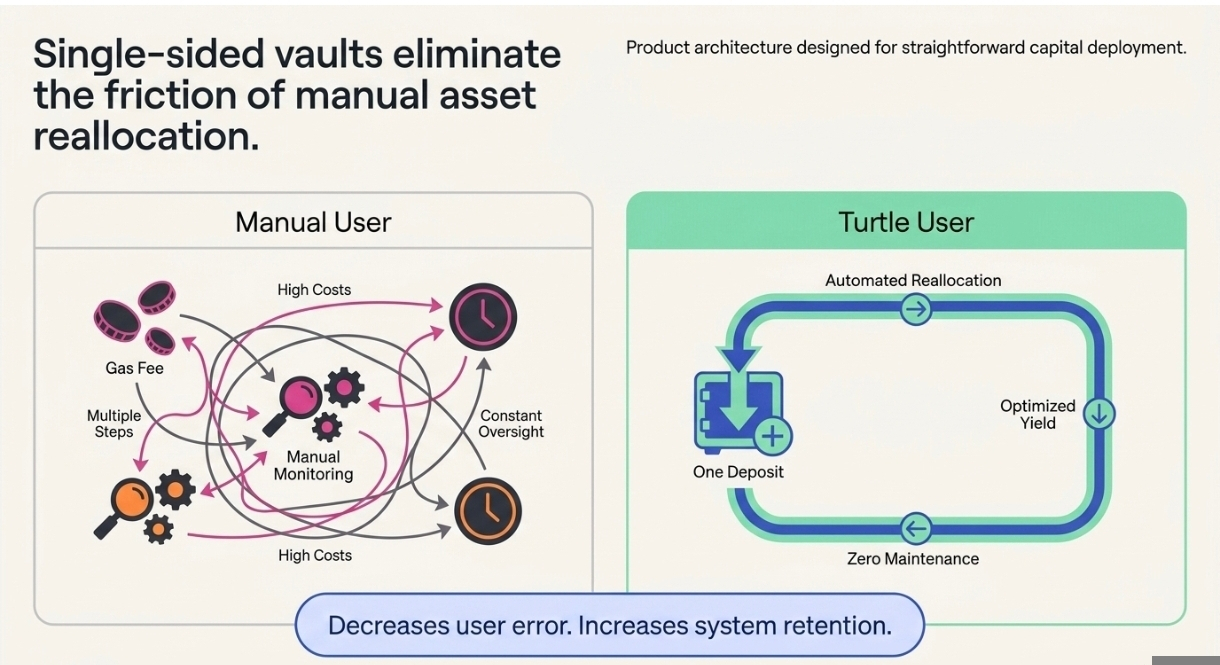
The protocol structures its fee model to be highly competitive. It charges a standard performance fee on generated yield. This ensures the platform extracts value exclusively when the user profits. A minimal withdrawal fee prevents malicious actors from exploiting the liquidity pools through rapid entry and exit strategies.
The Token Memorandum highlights specific performance benchmarks. The smart contracts are audited and optimized for low gas execution. Users do not lose their accumulated yields to network transaction costs. The vaults auto-compound at optimal intervals, determined by a mathematical formula that weighs the gas cost against the accumulated reward.
This data-driven approach to compounding ensures maximum possible return on deposited assets. The system dynamically adjusts the compounding frequency based on current network congestion and overall pool liquidity. This maintains a steady growth curve for user deposits regardless of external market volatility.
III. The $TURTLE Token and Its Use Cases
The $TURTLE token is the operational core of the protocol. It serves as both the utility and governance mechanism for the entire platform. The token design abandons inflationary reward schedules in favor of a fixed supply and clear utility parameters. Every token distributed serves a specific economic purpose.
The primary use case is governance. TURTLE token holders possess voting rights over protocol updates, fee structure adjustments, and the integration of new yield strategies. This ensures the community controls the direction of the platform. Decisions rely on verifiable on-chain voting metrics rather than centralized mandates.
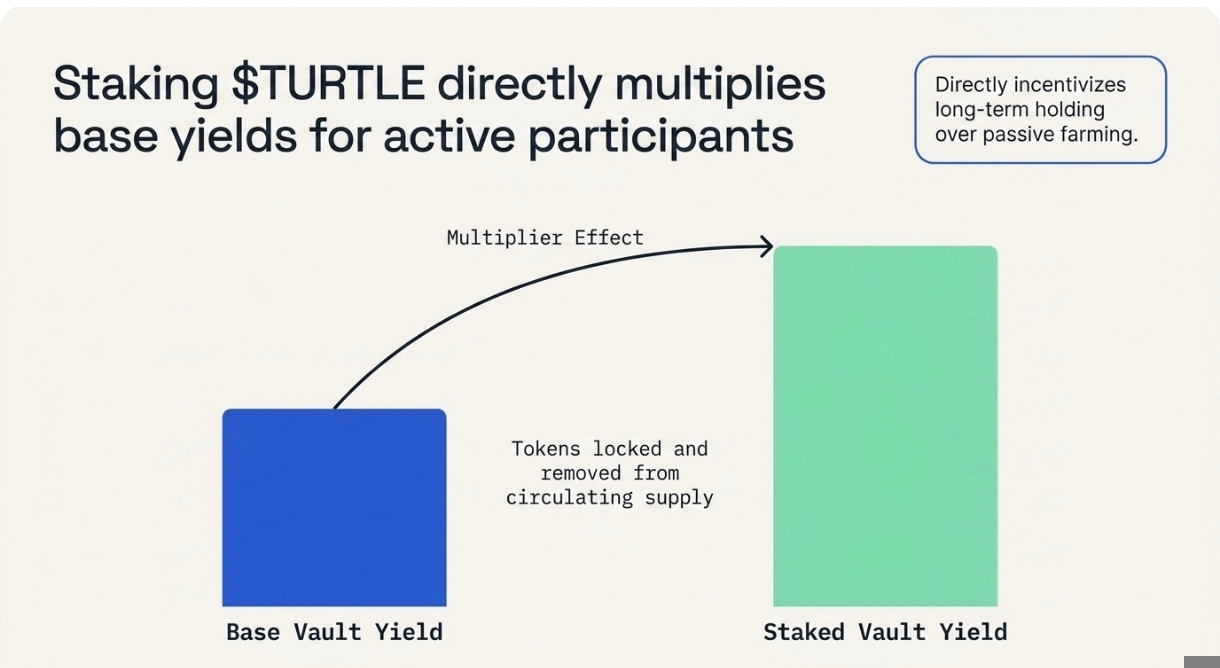
The second core use case is staking. Users can stake their TURTLE tokens into a dedicated contract. This action locks the tokens and removes them from the circulating supply. In return, the protocol grants these users a multiplier on their baseline vault yields. This directly incentivizes long-term holding and active participation. A user who stakes TURTLE earns a higher yield on their deposited assets compared to a non-staking user.
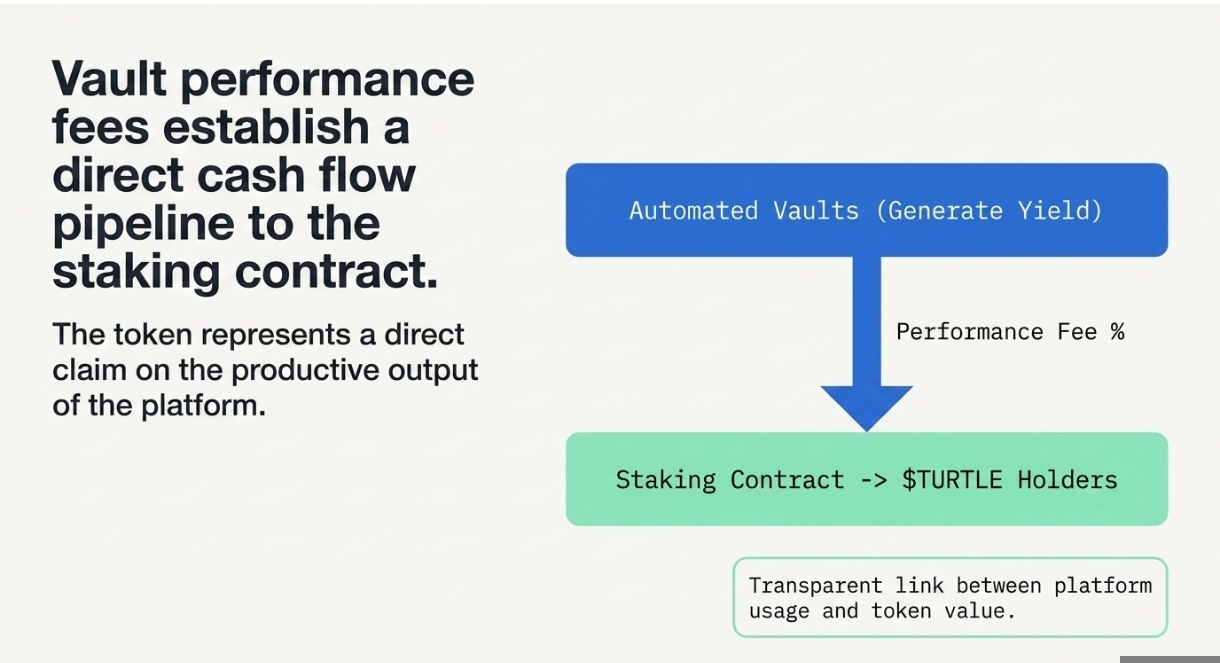
The third use case revolves around protocol fee distribution. A percentage of the performance fees collected by the vaults is directed back to the staking contract. This creates a direct cash flow for $TURTLE token holders. The token represents a claim on the productive output of the entire platform.
IV. Ecosystem Value Creation
A token only holds value if it anchors the ecosystem. TURTLE achieves this by aligning the incentives of all participants. The protocol needs liquidity to function. Users need yield to justify depositing their assets. TURTLE connects these two requirements through a well-structured incentive loop. The token provides the necessary friction to prevent capital flight while offering the necessary rewards to attract new deposits.
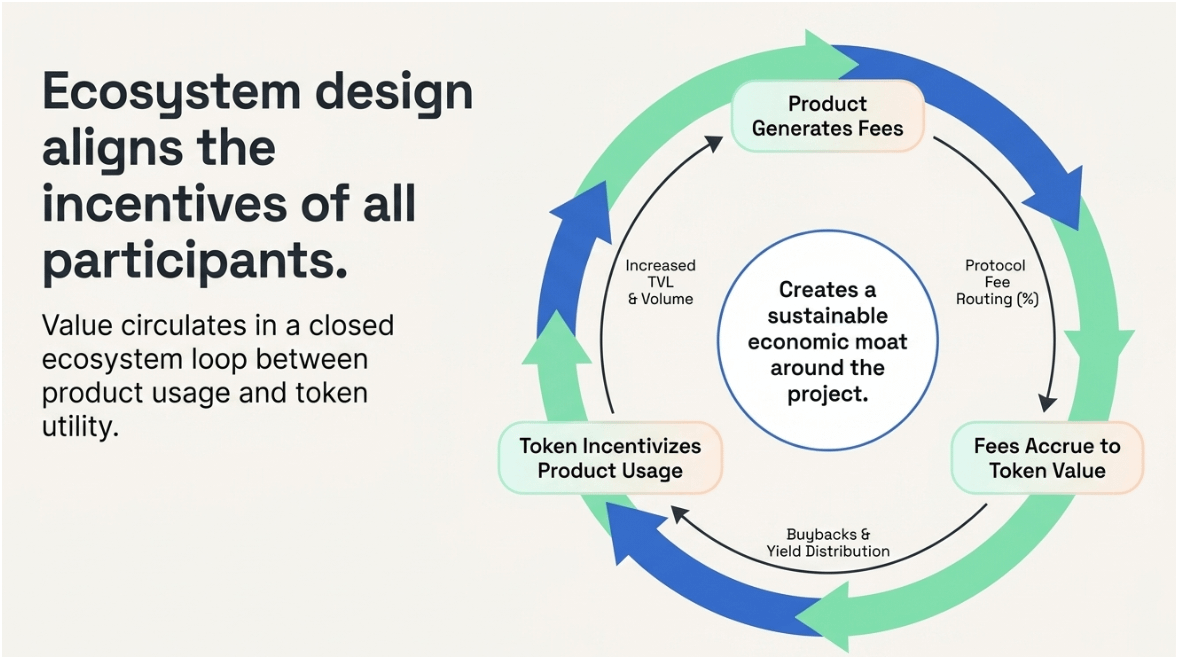
The token stabilizes the protocol's liquidity base. Users receive higher yields when they stake TURTLE. Therefore, they are less likely to withdraw their funds during brief market downturns. This sticky liquidity allows the protocol to execute longer-term, more profitable yield strategies. The platform avoids the destructive cycle of mercenary capital entering and exiting based on short-term promotions.
Furthermore, TURTLE drives the expansion of the product suite. As the platform generates revenue and distributes it to token holders, it creates a dedicated user base invested in the protocol's success. This community provides the necessary initial liquidity for new vault launches and product iterations. The value flows in a closed circuit. The product generates fees, the fees accrue to the token, and the token incentivizes further product usage. This creates a sustainable moat around the project.