

I Held @Pixels Through the Ronin Era and the L2 Migration Is Making Me Rethink My Entire Position.I've been holding #pixel since early 2024. Watched it trade in a relatively tight behavioral range inside Ronin farm, rotate, exit, repeat. I tracked my own exit and re-entry points across six separate cycles and noticed something consistent: the holding windows were short but the rotation patterns were predictable. Ronin's closed rails created a kind of noise floor. Capital moved but it moved in familiar loops.That predictability is about to change and I don't think most people holding @Pixels have fully thought through what that means.Here's my actual concern. I currently have roughly 12,000 #PIXEL! split across active staking and liquid reserves. About 60% staked, 40% liquid for rotation. That split made sense inside Ronin's contained environment where I could read flow behavior with reasonable confidence. Ethereum L2 connectivity changes the composition of who enters this market and that changes how I need to manage that split entirely.Let me explain what I mean by liquidity quality vs liquidity quantity because I think this distinction is getting lost in the excitement around more access.When Ronin was the primary rail, the participants were mostly ecosystem natives @Pixels farmers, land owners, RORS optimizers. Capital that entered generally understood what it was entering. Holding windows were longer on average because participants had in-game reasons to stay. My own average hold across those six cycles was around 18 days before rotating. Not long by traditional standards but consistent enough to plan around.
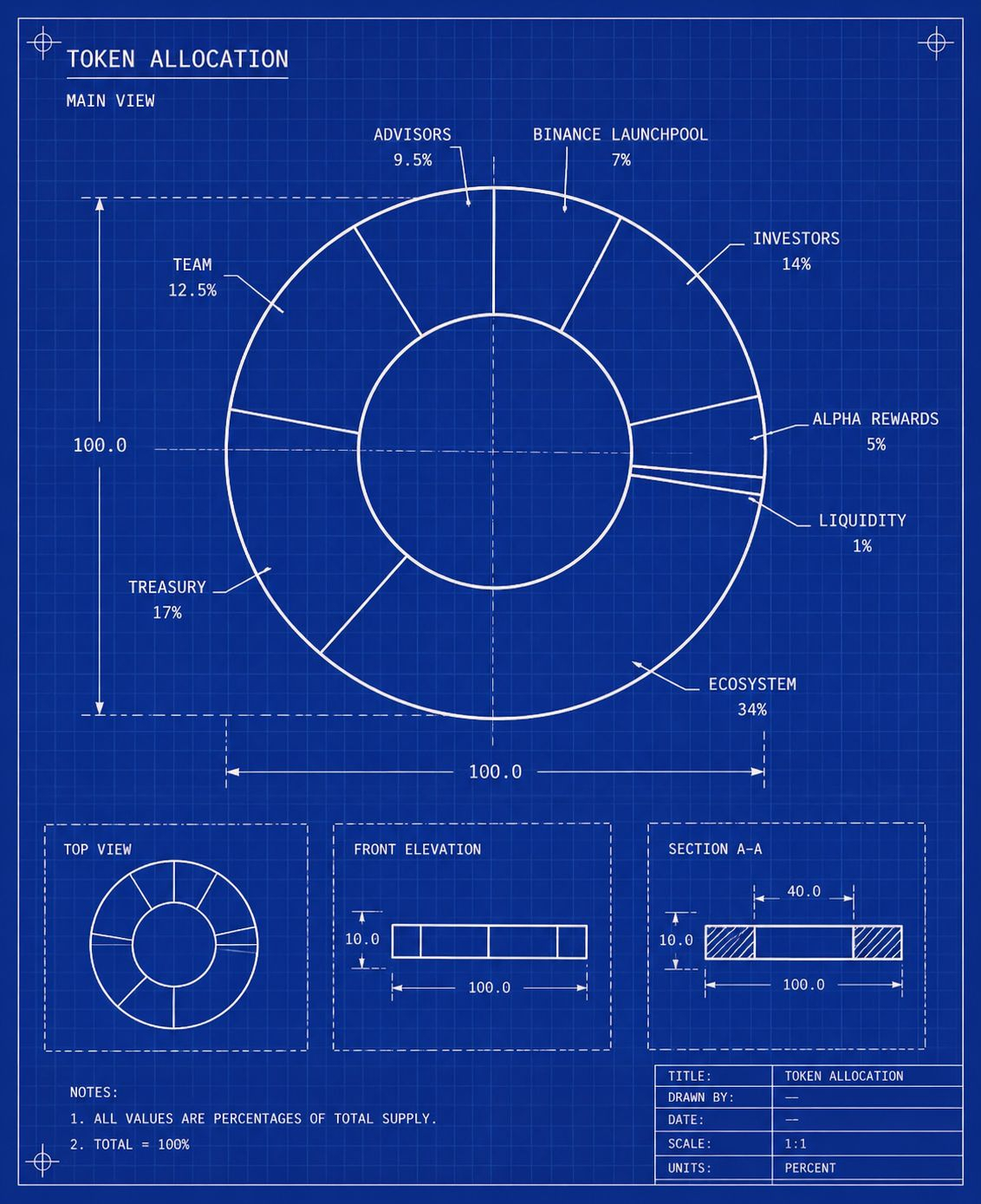 Ethereum L2 opens the door to a completely different participant profile.Arbitrage traders, external liquidity providers, momentum chasers who have never opened @Pixels once. These participants aren't wrong to enter deeper markets and better price discovery benefit everyone in theory. But their average holding window isn't 18 days. It's closer to 18 hours. And when that capital type dominates volume it creates a chart that looks bullish while actually reflecting rapid rotation rather than genuine demand growth.I've already started watching this in the early L2 bridge data. Volume spikes that look exciting on the surface but flatten out within 48 hours as external capital rotates out. That's the pattern I'm most worried about becoming normalized around PIXEL if the ecosystem doesn't build fast enough to create sticky demand from the new participants coming in.The good news is #Pixels has real in-game sinks that can counter this. Land utility, Tier 5 crafting demand, RORS pressure, Hearth Fragment progression, and the Stacked reward layer all create reasons to hold beyond speculation. A player running optimized T5 industries has a completely different incentive structure than an external arbitrage trader. If those sinks keep deepening more crafting loops, stronger land utility, meaningful progression tied to holding then L2 access becomes a genuine tailwind.
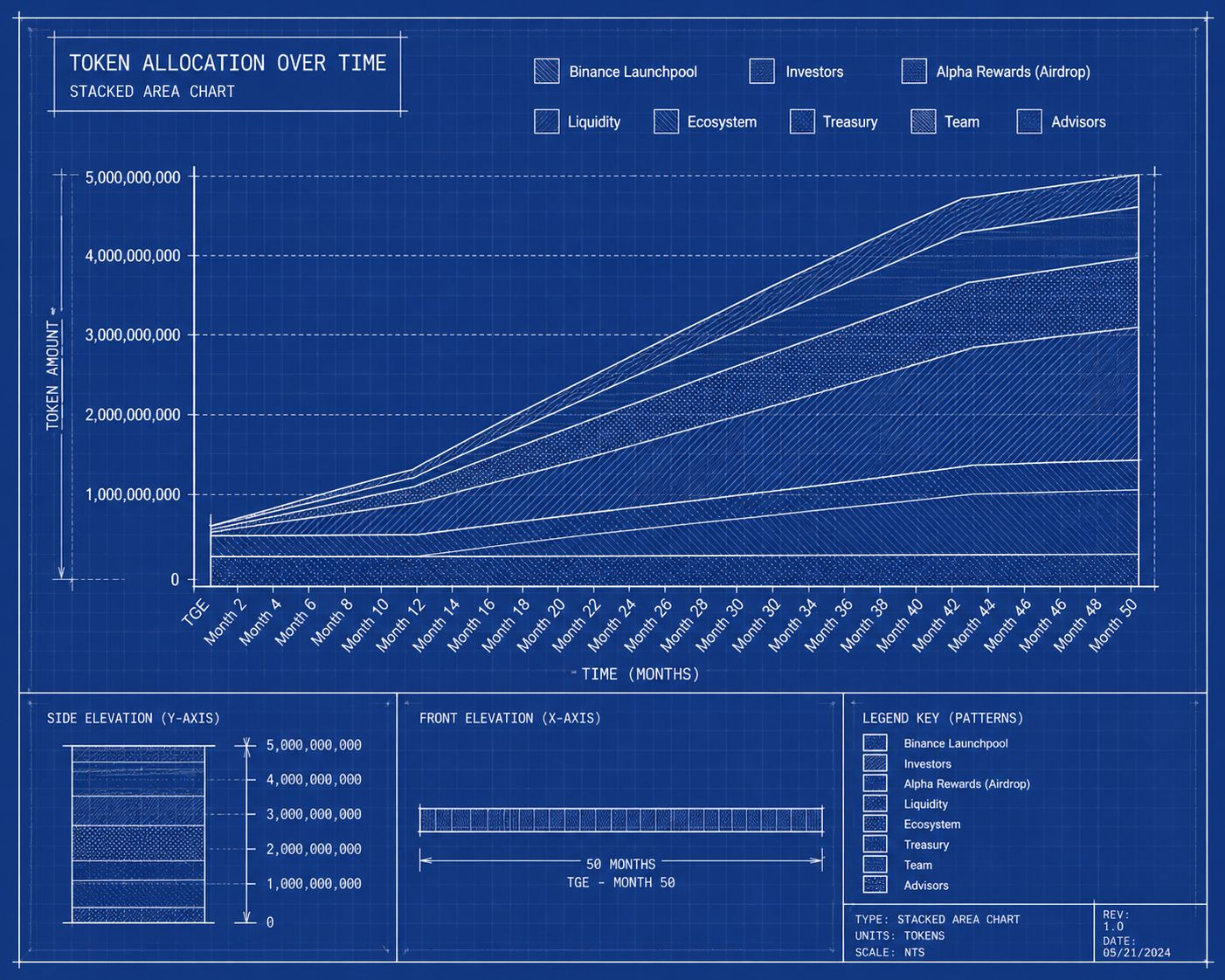 New capital enters, gets exposed to ecosystem depth, and a percentage of it converts into native holders.If those sinks stall or don't expand fast enough, external flows will dominate short-term price behavior without strengthening anything underneath.In @Pixels I've adjusted my own position in anticipation moved from 60/40 staked-to-liquid to 70/30 specifically because I want more of my stack inside ecosystem mechanics and less exposed to the external flow volatility I expect to increase over the next two quarters.The market will celebrate the L2 migration as pure upside. More access, more volume, more exposure. And in the short term it probably will be. First capital arrives fast and prices respond. Then that capital tests every weak incentive in the system. The projects that survive that test are the ones with enough in-game demand to absorb the rotation and convert some of it into real ecosystem growth. #Pixels has the infrastructure to pass that test. The question is whether enough of it activates fast enough to set the tone before external flow behavior becomes the dominant narrative.That's what I'm watching. Not the volume numbers when L2 fully opens. The holding window data two months after.