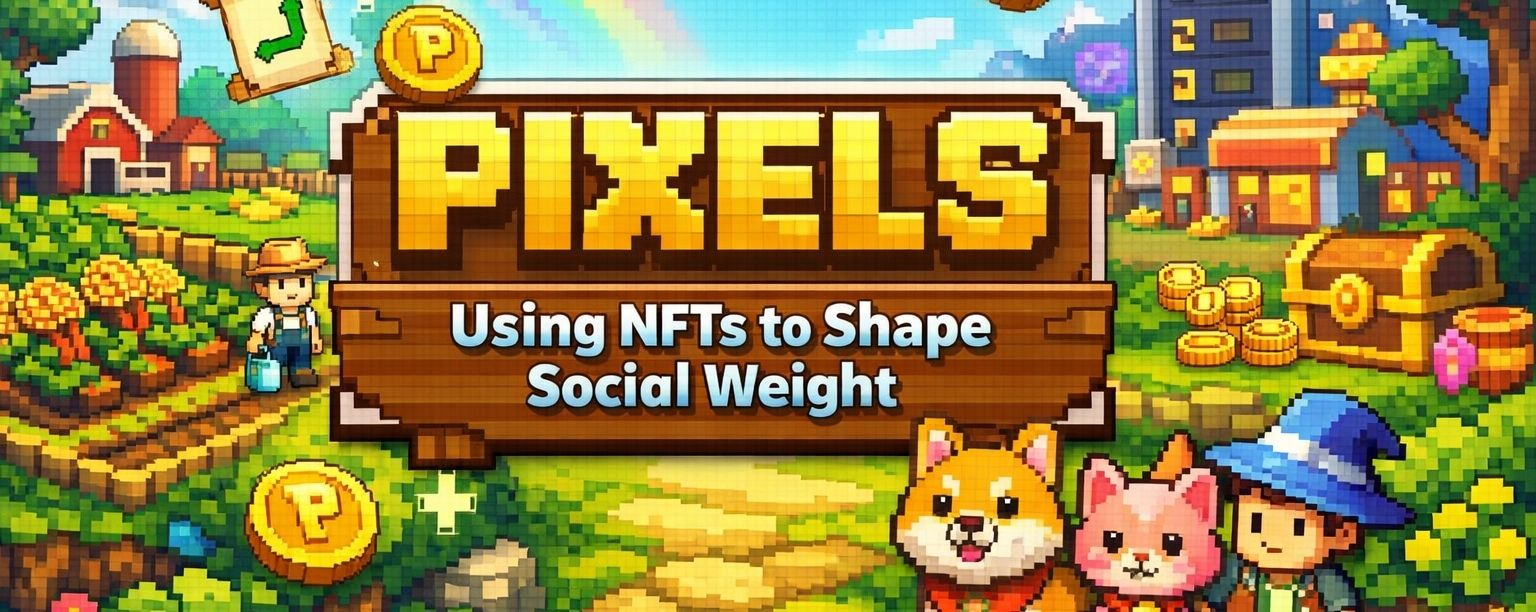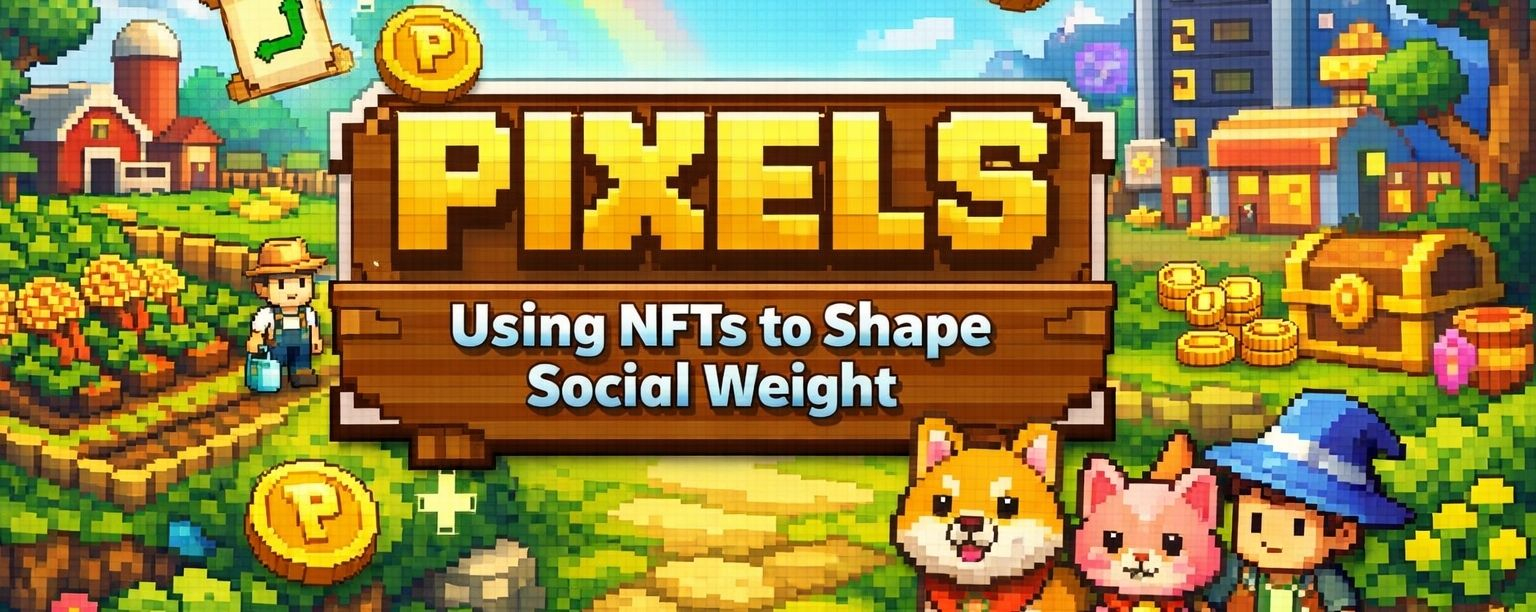

Pixels represents a new wave of Web3 gaming where entertainment, ownership, and opportunity are deeply connected. Unlike traditional games where players invest time without tangible returns, Pixels introduces a play-to-earn structure that rewards participation in meaningful ways. It’s not just about completing tasks or grinding levels—it’s about being part of a living digital economy where every action can contribute to long-term value.
At its core, Pixels blends gameplay with digital ownership. Players can farm, build, trade, and explore while accumulating in-game assets that actually belong to them. These assets, often represented as NFTs, are not locked within the game’s ecosystem in the traditional sense. Instead, they carry real value and can be traded, sold, or utilized in ways that extend beyond simple gameplay. This shift transforms the player from a consumer into a stakeholder.
The play-to-earn model in Pixels is designed to feel natural rather than forced. Many early blockchain games struggled because they prioritized rewards over fun, making the experience feel like work. Pixels takes a different approach by focusing on engagement first. The earning aspect becomes a byproduct of meaningful interaction, not the sole purpose. This balance is crucial because it keeps players invested not just financially, but emotionally.
Another defining element is the creator economy embedded within the game. Players aren’t limited to predefined roles—they can actively shape the world. Whether it’s designing spaces, building experiences, or contributing to the in-game economy, users have the ability to create value for others. This user-generated content model ensures that the game continuously evolves, driven by its own community rather than a central authority.
Digital ownership plays a major role in this system. In traditional gaming, items and progress are tied to accounts that can be restricted or lost. In Pixels, ownership is transparent and transferable. This gives players confidence that their time and effort are not temporary. It also opens the door for new forms of interaction, where assets can be leveraged creatively across different scenarios.
NFTs within Pixels are more than collectibles—they are functional components of the ecosystem. Land, items, and resources can all contribute to gameplay and earning potential. This creates a layered economy where scarcity, utility, and creativity intersect. Players can specialize in different roles, from farming and trading to designing and managing assets, allowing for diverse strategies and playstyles.
The broader impact of Web3 gaming, as seen through Pixels, lies in its ability to redefine how value is created and distributed. Instead of a top-down system where developers capture most of the revenue, value flows more freely between participants. Players, creators, and contributors all have a stake in the ecosystem’s growth. This decentralized approach fosters a sense of ownership and community that traditional games often lack.
As more users join Pixels, the ecosystem becomes stronger and more dynamic. Each new participant adds liquidity, creativity, and interaction, making the world feel alive. The network effect plays a significant role here—growth isn’t just about numbers, but about the quality of engagement and the expansion of possibilities within the game.
Ultimately, Pixels is not just a game—it’s a glimpse into the future of digital interaction. By combining Web3 gaming, play-to-earn mechanics, digital ownership, NFTs, and a thriving creator economy, it builds an environment where players are more than users. They are builders, investors, and active participants in a constantly evolving world.