
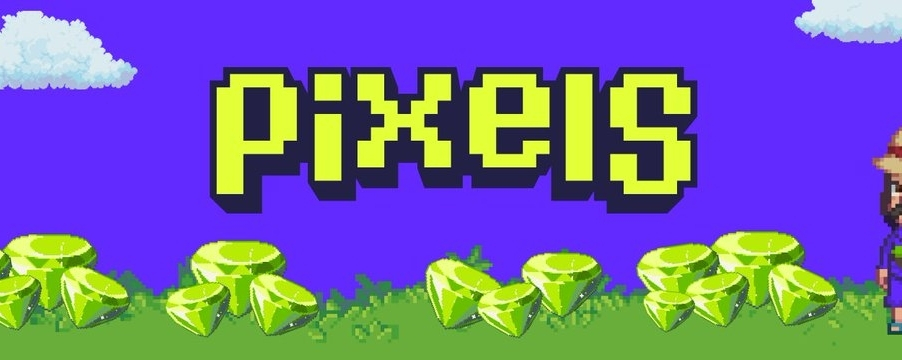
## Pixels: A Deep Dive into the Leading Web3 Social Sandbox
The landscape of decentralized gaming has seen many projects rise and fall, but few have managed to maintain the momentum and community engagement of Pixels. Since its migration to the Ronin Network, Pixels has cemented its position as a powerhouse in the Web3 space, bridging the gap between traditional simulation gaming and blockchain-based digital ownership.
### The Core Concept: Social Farming and Beyond
At its heart, Pixels is a social sandbox game built with a nostalgic 16-bit aesthetic reminiscent of classics like Stardew Valley or Animal Crossing. However, unlike its Web2 predecessors, Pixels operates on the principle of true digital ownership. Players are dropped into a vibrant world where they can farm crops, gather raw materials like wood and stone, and engage in complex crafting recipes to create valuable items.
The game isn't just about solo farming; it is a massive multiplayer experience. The central hub, Terravilla, serves as a social meeting point where thousands of players interact, trade, and participate in limited-time events. This social layer is what differentiates Pixels from many "click-to-earn" games that lack actual gameplay depth.
### The Economic Engine: $PIXEL and NFTs
The economy of Pixels underwent a significant transformation with the introduction of the $PIXEL token. This ERC-20 utility token is the lifeblood of the ecosystem. Unlike many earlier blockchain games that suffered from hyperinflation, Pixels uses $PIXEL to govern high-value actions. Players use it to:
Purchase *VIP Memberships**, which grant access to exclusive areas and faster energy regeneration.
* Acquire premium in-game items and "Skins" to personalize their avatars.
* Speed up construction times and unlock advanced crafting tiers.
The NFT aspect is equally crucial. There are 5,000 unique Farm Land plots in the game. Owning one of these NFTs makes the player a "landlord," allowing them to customize their space and earn a portion of the resources generated by other players who work on their land. For those who don't own land, "Specks" (free starter plots) ensure the game remains accessible to everyone.
### The Ronin Migration and Mass Adoption
One of the most strategic moves in the project’s history was moving to the Ronin Network, the Ethereum sidechain developed by Sky Mavis (the creators of Axie Infinity). This move provided Pixels with a battle-tested infrastructure capable of handling millions of transactions with minimal fees. The result was an explosion in Daily Active Users (DAU), often surpassing hundreds of thousands of unique wallets, making it one of the most played blockchain games globally.
### Why It Works: Play-to-Own vs. Play-to-Earn
Pixels has successfully navigated the transition from "Play-to-Earn" (where the primary goal is financial gain) to "Play-to-Own". The developers prioritize fun and sustainable mechanics over pure speculation. By focusing on "Energy" management as a core constraint, the game requires strategic planning and active participation, which prevents botting and rewards genuine players.
### Conclusion
Pixels represents the next generation of Web3 entertainment. It proves that blockchain technology can enhance the gaming experience through ownership and interoperability without sacrificing the "fun factor." As the project continues to expand its "Chapters" and introduce new industrial tiers, it remains a benchmark for how to build a sustainable, community-driven metaverse. Whether you are a casual farmer or a strategic investor, Pixels offers a complex, rewarding world that continues to evolve.