
I’ve been around long enough to remember when every other pitch deck said “the next Fortnite, but on blockchain.” That alone should tell you how this usually goes.
Big promises. Bigger token models. Zero staying power.
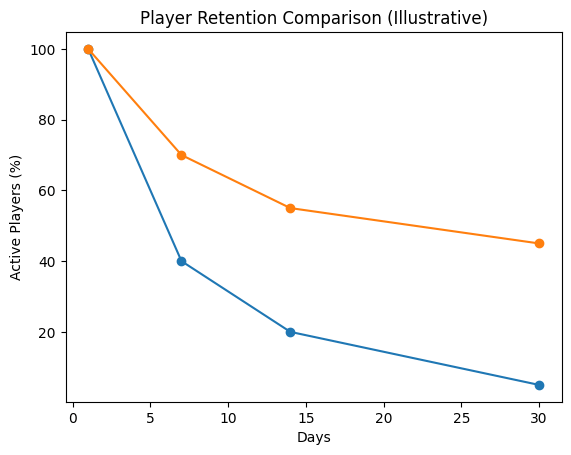
I’ve downloaded more of these things than I’d like to admit. Played them for a few days. Watched the Discords go from euphoric to ghost town in under a month. It’s a pattern now, not an exception.
So when I first opened Pixels, I wasn’t expecting much. Honestly, I was ready to uninstall it within the hour.
That didn’t happen.
And I think the reason is almost annoyingly simple.
It doesn’t try so hard.
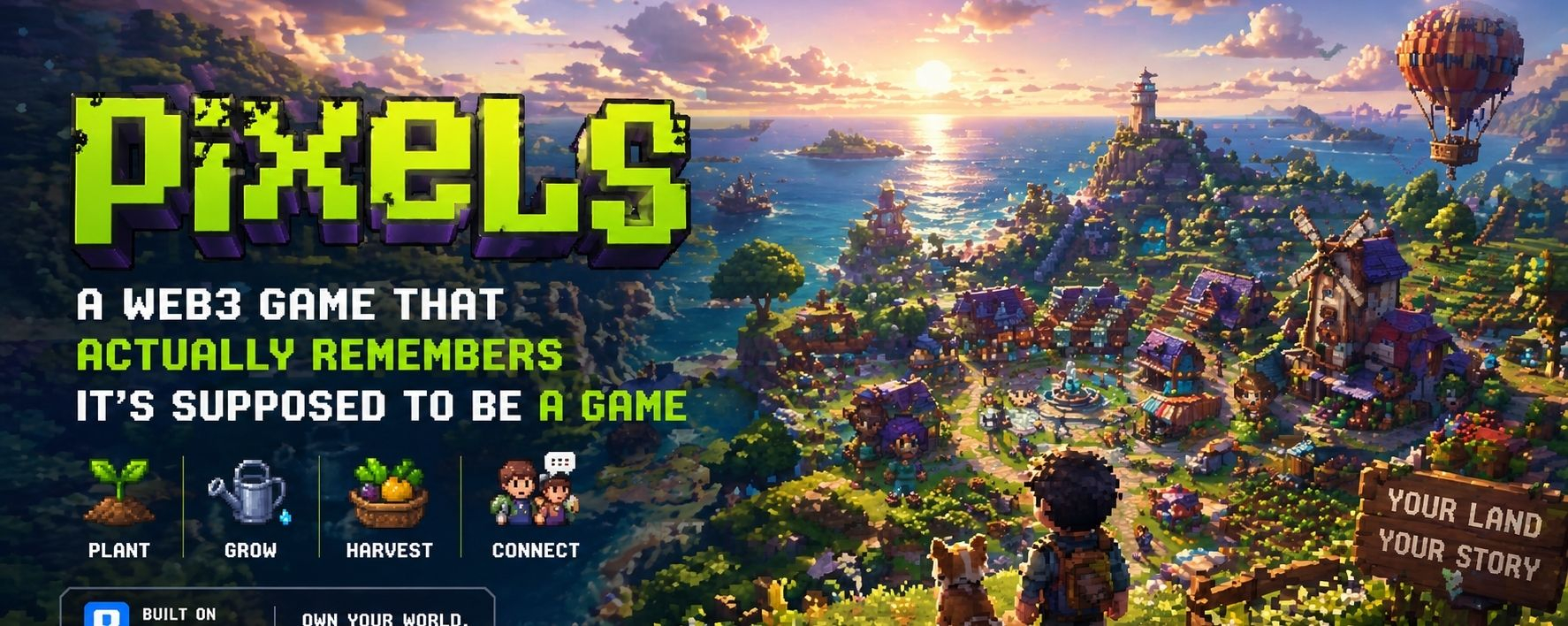
If I had to explain Pixels to my cousin—the kind of guy who still plays Clash of Clans and couldn’t care less about crypto—I wouldn’t mention tokens, wallets, or “digital ownership.” I’d just say: “It’s a farming game. You plant stuff, build your land, wander around, maybe chat with people.”
He’d get it immediately.
No friction. No lecture. No weird onboarding moment where you feel like you accidentally signed up for a finance course.
Just a game.
That sounds obvious, but in Web3, it’s weirdly rare.
It runs on the Ronin Network, but here’s the honest truth—you forget that within five minutes. And I mean that as a compliment. There’s no moment where you’re thinking about chains or transactions or whatever acronym is trending this week.
You log in. You start planting crops. That’s it.
And yeah, the gameplay loop is simple. Almost suspiciously simple. You plant, wait, harvest, repeat. On paper, it sounds like something you’d get bored of in ten minutes.
But then something odd happens.
You don’t.
I caught myself checking in “just for a minute” and somehow losing an hour. Not grinding. Not optimizing. Just… tending to things. Moving stuff around. Seeing what happens next.
It reminded me a bit of early FarmVille—back when people mocked it, but secretly kept logging in anyway. There’s a quiet pull to these systems when they’re done right.
And Pixels, at least for now, gets that rhythm right.
Now, the uncomfortable part—the money.
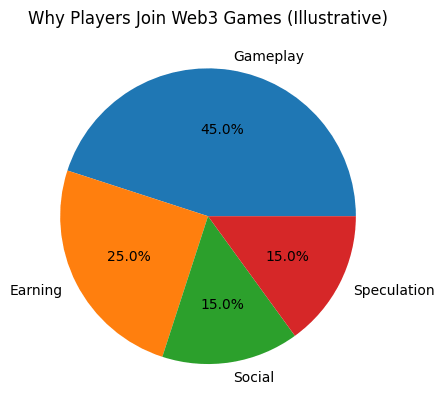
Because let’s not kid ourselves, that’s why most people even glance at Web3 games.
Yes, there’s a token. Yes, you can earn. Yes, land and items can have value.
But here’s what surprised me: the game doesn’t constantly shove that in your face. No flashing dashboards screaming about ROI. No pressure to “maximize efficiency” every second.
It’s there.
But it’s not screaming at you.
That restraint is… unusual.
I’ve seen what happens when that balance tips the other way. Take Axie Infinity—early days, it felt like magic. People were genuinely making money. Then the economy got crowded, rewards got diluted, and suddenly everyone realized they were playing a system that only worked under perfect conditions.
That’s the risk here too.
Because no matter how calm Pixels feels right now, the same pressures exist underneath. More players chasing rewards. More speculation. More noise creeping in.
And I’ve seen how quickly that can change the vibe of a game.
One month it’s a community.
Next month it’s a marketplace.
Pixels isn’t there yet. But it’s not immune either.
What I do appreciate—and this is where I’ll give them real credit—is that it doesn’t feel desperate. It’s not constantly trying to convince you it’s “the future of gaming.” It just sort of exists, quietly, letting you decide if it’s worth your time.
That’s a very un-crypto attitude.
And honestly, it’s refreshing.
There’s something else here that most projects completely miss. Technology isn’t supposed to feel impressive forever. It’s supposed to fade into the background.
Think about Wi-Fi. You don’t sit there admiring it. You just get annoyed when it stops working.
That’s the bar.
Pixels, in small ways, is moving toward that. You’re not thinking about infrastructure. You’re not juggling ten different systems just to play. You’re just… in the game.
Which is exactly how it should be.
If you’re considering jumping in, I’ll keep it simple.
Don’t treat it like a job. I’ve watched too many people burn out trying to “optimize” games that were never meant to be spreadsheets.
Don’t rush into buying land because someone online said you’re “early.” I’ve heard that line for years. It’s usually followed by regret.
And maybe most importantly—don’t assume today’s economy will still make sense in six months. It might. It might not. That’s the reality of this space.
Just play it.
Seriously.
See if you like the loop. See if it holds your attention without the promise of money hanging over it. Because if it doesn’t, then none of the token mechanics matter anyway.
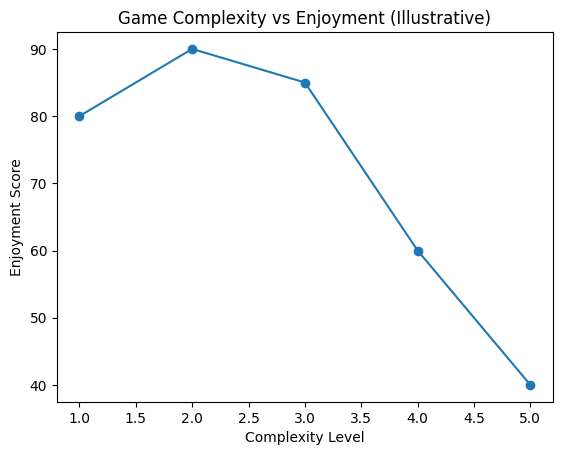
At the end of the day, I’ve seen countless projects try to reinvent gaming with layers of complexity no one asked for. Most of them collapsed under their own ambition.
Pixels goes the other direction.
It keeps things simple. Maybe even a little too simple for some people. But that simplicity is doing a lot of heavy lifting.
It remembers something this industry keeps forgetting.
Games aren’t supposed to feel like work.
They’re supposed to pull you in quietly, keep you there without forcing it, and give you a reason to come back.
No hype required.
And for once… that’s enough.