
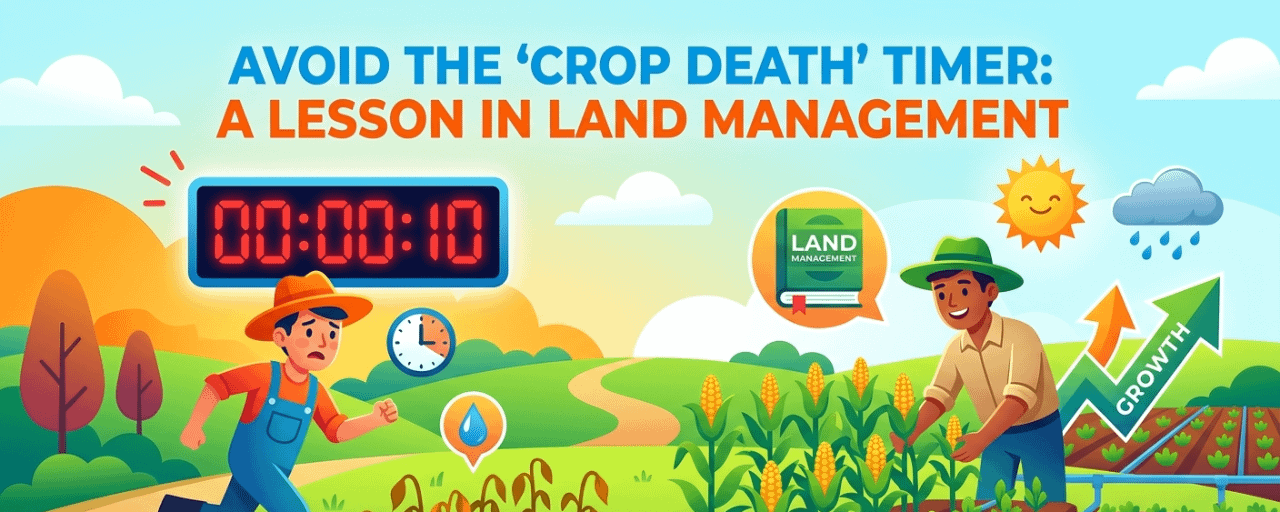
The first time I saw the timer counting down on a plot of land, I didn’t feel urgency. I felt the weight of a fundamental shift in how we value digital space. The introduction of the 5-hour crop death timer in Pixels is not just a minor UI update. It is a quiet, deliberate dismantling of the casual harvest.
underneath the surface of this mechanic lies a harsh truth about land management. For a long time, players treated their plots like infinite storage units where time stood still. You planted a seed, walked away for a day, and returned whenever it was convenient. That era of passive ownership is over.
What struck me about this change is how it forces a choice between being a hobbyist and being an industrialist. If your crop dies 5 hours after it matures, your entire production line has a hard expiratin date. You cannot leave 24 plots of high-value crops sitting idle while you sleep or work a double shift.
this creates a texture of risk that didn’t exist before. When I first looked at the math, I realized that a 5-hour window is incredibly narrow for anyone managing more than a handful of tiles. If you miss that window, your initial investment in seeds and energy is gone.
This is where the foundation of the game changes. We are seeing the rise of the Builder and Manager roles out of sheer necessity. a single player can no longer effectively oversee a massive, diversified operation without a loss of efficiency.
Large-scale operations now require a steady presence to ensure the "crop death" timer never hits zero. It creates a demand for specialized labor. You might own the land, but if you cannot be there at the 5-hour mark, you need a manager who can.
This isn’t about being "good" or "bad" for the ecosystem. It is simply a different set of rules that favors the organized. I suspect many players will struggle with this because it demands a level of scheduling that feels more like a job than a game.
managing 60 plots of land with different maturation times is a logistical puzzle. If one crop finishes at 2:00 PM and another at 6:00 PM, your window for the first batch is already closing before the second is even ready.
There is an earned satisfaction in a successful harvest now, but it comes at the cost of flexibility. I am still uncertain if the average player wants this much pressure. However, for those looking to run an industrial-grade farm, this mechanic serves as a barrier to entry.
it weeds out the uncommitted. It ensures that the most productive land stays in the hands of those who can maintain a constant rhythm. The "click-to-earn" simplicity is being replaced by a complex management layer.
When we talk about land management now, we are really talking about time management. The 5-hour timer is the heartbeat of the new economy. It dictates when you eat, when you work, and when you log in.
I wonder if this will lead to more collaborative play. small groups might start sharing the burden of the "death timer" to keep a farm running 24 hours a day. It turns the game from a solo sprint into a team relay.
The quiet reality is that land is no longer a static asset. It is a living, breathing responsibility that requires constant attention. If you treat it like a bank, you will lose. If you treat it like a
factory, you might just survive.
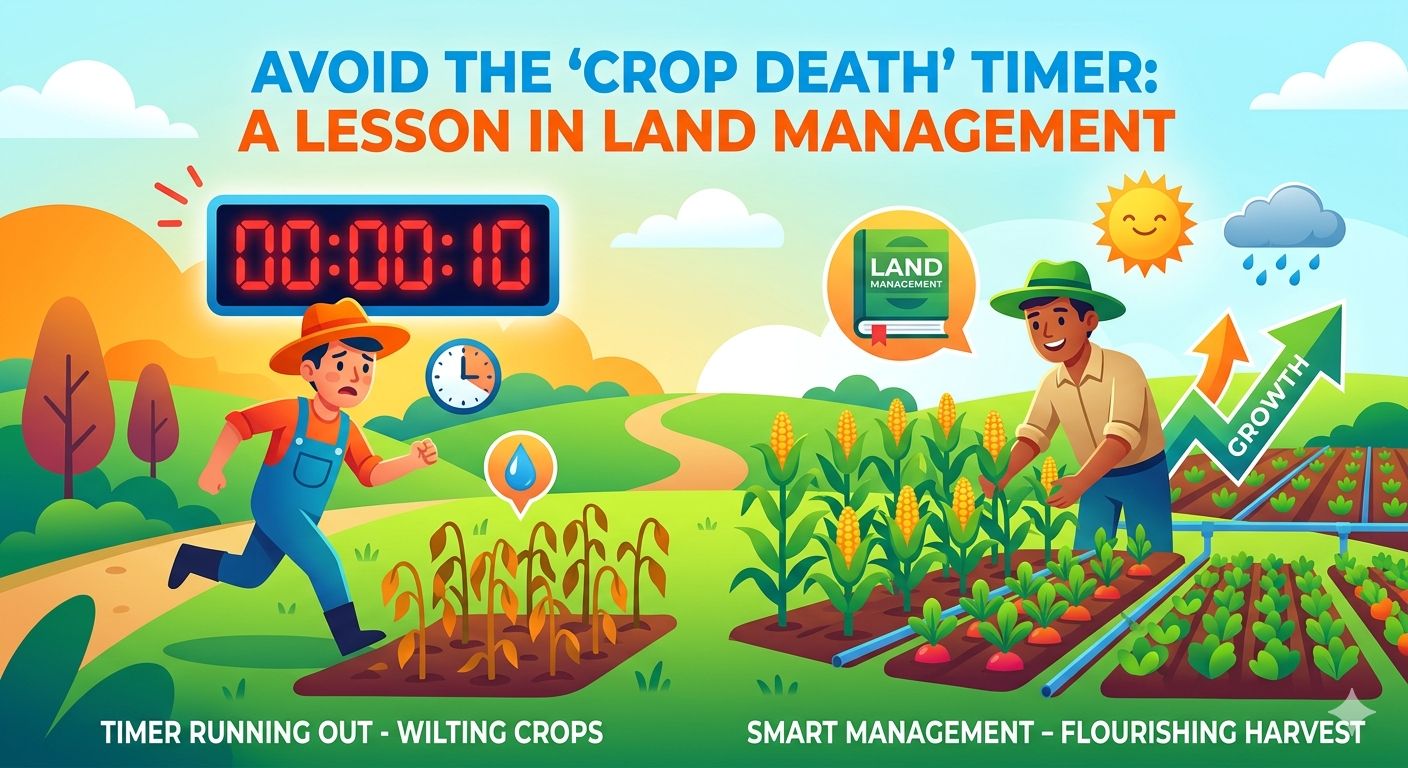
The ultimate lesson here is that in a digital world, the only thing more valuable than the land itself is the person willing to stand over it and watch the clock. @Pixels $PIXEL
