

I wasn’t even looking for another GameFi project when Pixels popped up on my radar. Honestly, I’ve grown a bit numb to the whole “play-to-earn” pitch. We’ve seen the cycle before. Hype builds, tokens pump, users flood in, and then slowly… everything cools off. Liquidity dries up, incentives stop making sense, and the game part starts to feel like an afterthought.
So when I first heard about Pixels, I didn’t expect much. Just another pixel-art farming game trying to ride nostalgia while quietly depending on token emissions to survive. But the more I looked into it, the more I realized something felt… different. Not dramatically revolutionary. Not loud. Just quietly different in a way that made me pause.
And right now, in this phase of the market where attention is shifting again toward real users instead of just capital flows, that difference actually matters.
What caught my attention first wasn’t even the game itself. It was where it lives. Ronin.
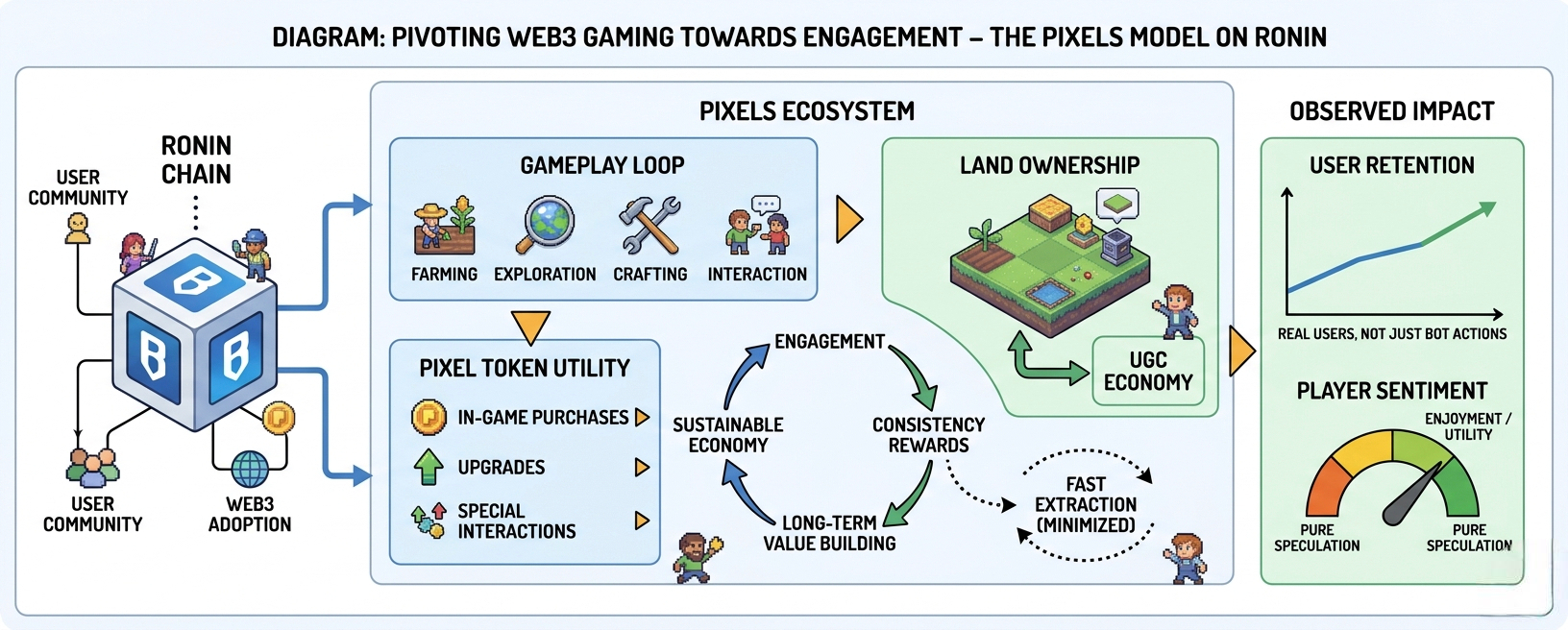
If you’ve been around long enough, Ronin has a very specific reputation. It’s not trying to be everything. It’s not chasing every narrative. It’s focused. Games, community, and users that actually stick around. That alone changes the dynamics. You’re not just launching into a speculative environment. You’re stepping into a place where people expect to play, not just farm tokens.
And I think that context is important because Pixels doesn’t try to fight the past mistakes of GameFi by pretending they didn’t happen. It almost feels like it learned from them quietly.
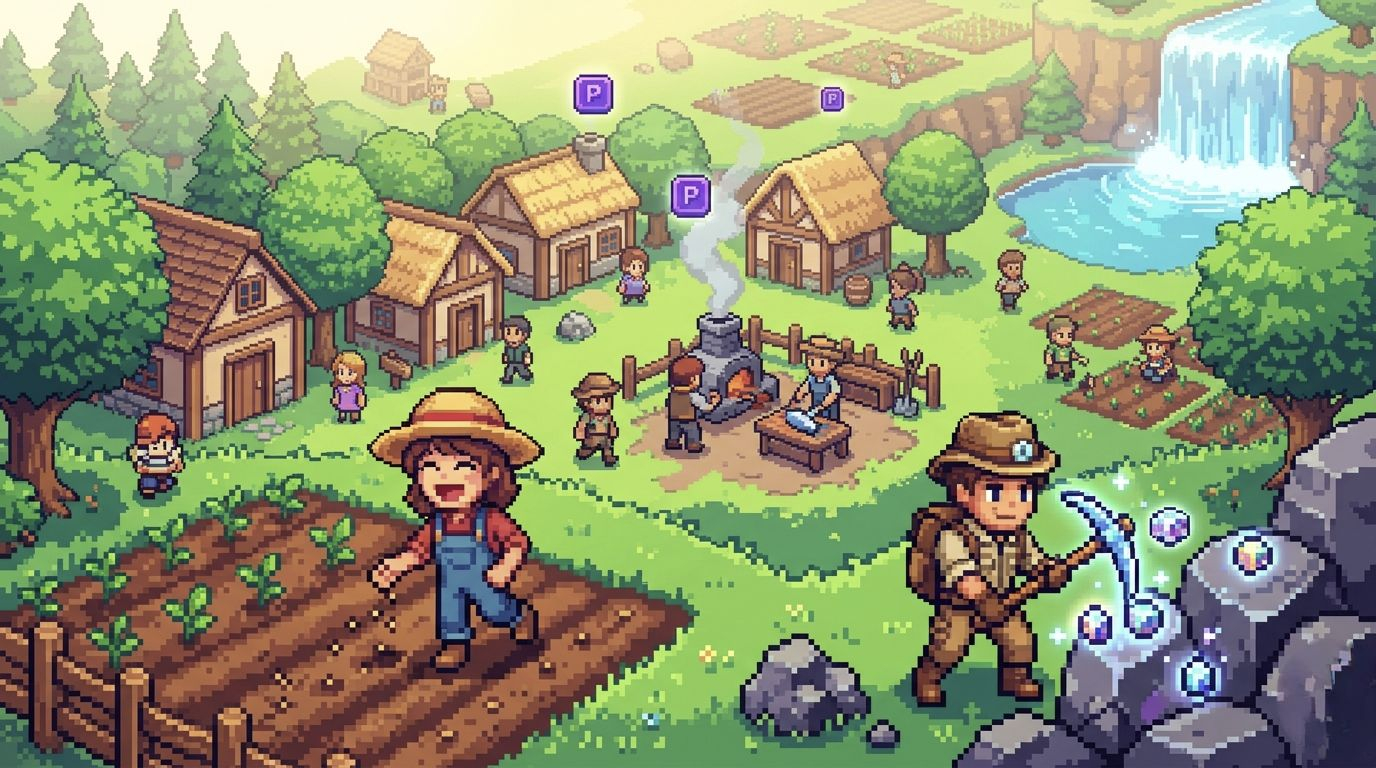
At its core, Pixels is simple. You farm. You explore. You gather resources. You craft. You interact with other players. It’s not trying to overwhelm you with complexity. It leans into something familiar. That Stardew Valley kind of loop where progress feels incremental, not forced.
But underneath that simplicity, there’s a layer that I think a lot of people underestimate.
Most GameFi projects start with tokenomics and then build gameplay around it. Pixels feels like it started with gameplay and then carefully wrapped an economy around it.
That shift sounds small, but it changes everything.
Instead of pushing players to constantly optimize earnings, the game subtly rewards consistency. You show up, you farm, you engage with the world. Over time, you build value. Not instantly, not aggressively. And I’ve noticed that this slower pacing actually filters out a certain type of user. The ones who only care about extracting value quickly don’t stick around as long.
And that’s where the PIXEL token comes in.
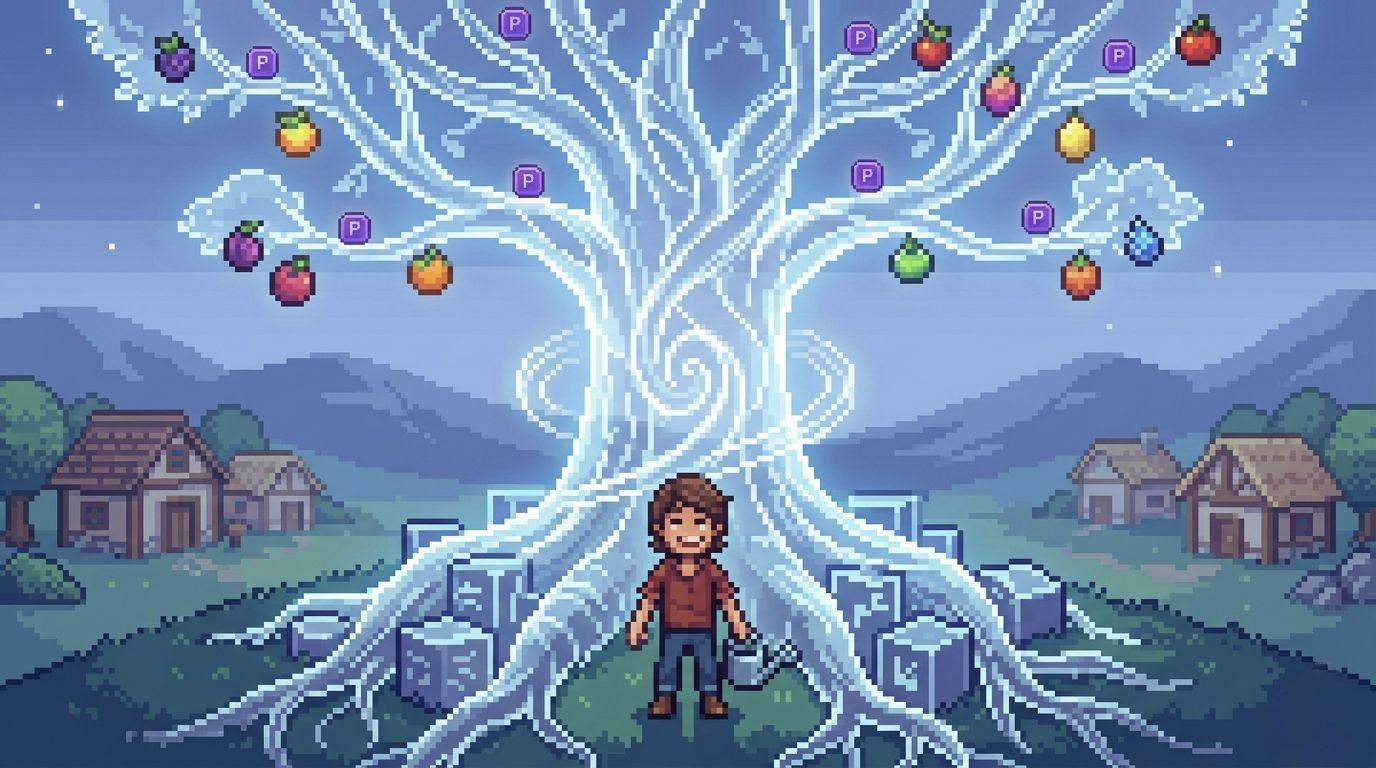
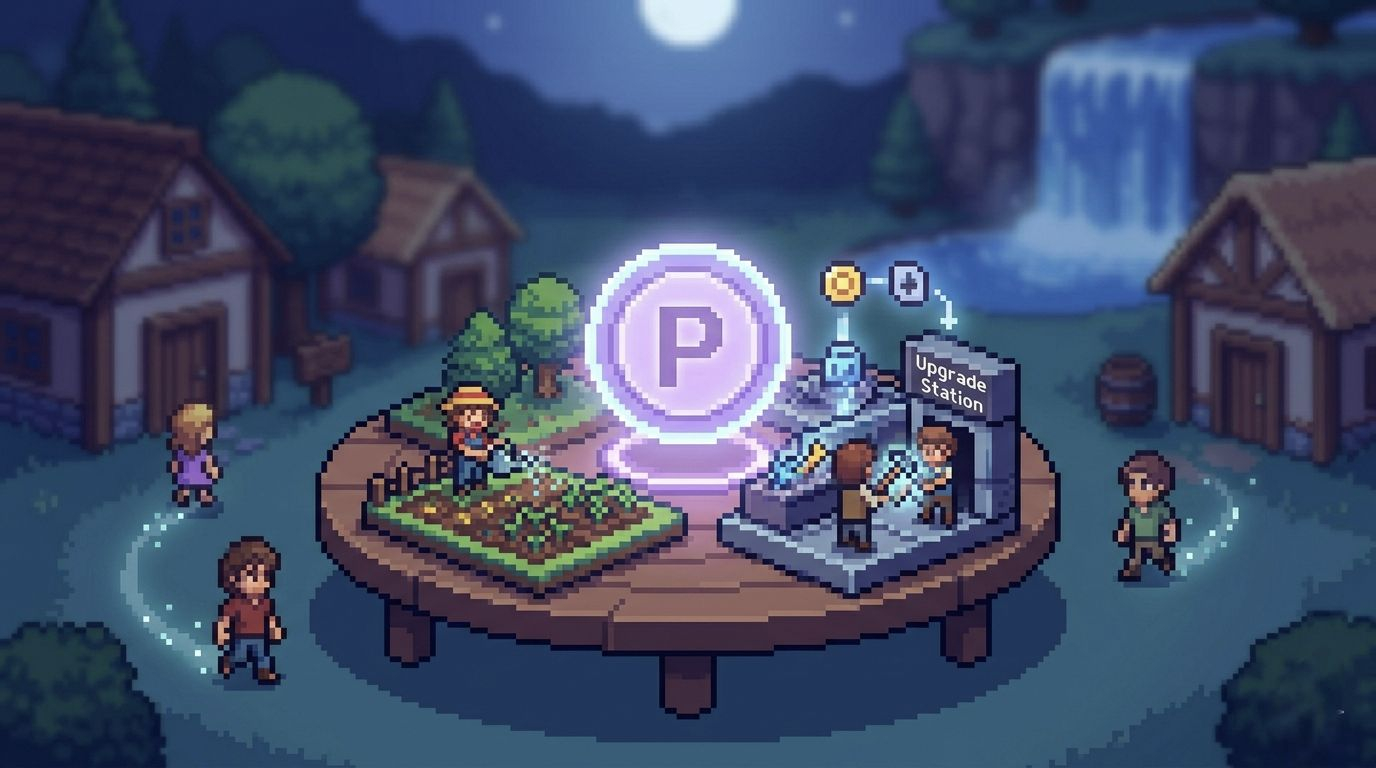
From what I’m seeing, the token isn’t positioned as the sole reason to play. It’s integrated into the ecosystem as a utility layer rather than the main attraction. You use it for in-game actions, upgrades, and interactions that enhance your experience instead of just serving as a payout mechanism.
That’s a subtle but important distinction. Because once a token becomes purely about extraction, the system starts fighting itself. Players want to sell. The game needs them to stay. That tension usually ends badly.
Pixels seems to be trying to reduce that tension rather than amplify it.
There’s also land, which adds another layer to the ecosystem. Players can own land, customize it, and create experiences that others can interact with. And I think this is where things start to get interesting in a broader sense.
Because now you’re not just playing a game. You’re contributing to a shared world.
I’ve always thought one of the biggest missed opportunities in Web3 gaming was not leaning hard enough into user-generated economies. Pixels seems to be slowly moving in that direction. Not in an over-engineered way, but in a way that feels organic.
And when you combine that with Ronin’s user base, something clicks.
You’re not onboarding people who need to be convinced that blockchain games can be fun. You’re onboarding people who already believe it, at least to some extent.
That reduces friction.
Now, if I zoom out a bit and think about where we are in the market, there’s another reason Pixels feels relevant right now.
We’re in a phase where capital is more selective. Narratives still matter, but they’re not enough on their own anymore. Projects need actual engagement. Not just wallet connections. Not just token holders. Real, repeat users.
And this is where Pixels has been quietly building momentum.
User activity, community presence, and consistent engagement metrics have been strong relative to many other GameFi projects. But what I find more interesting isn’t just the numbers. It’s the behavior behind them.
People aren’t just logging in to claim rewards and leave. They’re spending time in the game. That’s a different kind of signal.
It tells me that the game loop is working, at least for a portion of the audience.
Of course, it’s not without competition. There are plenty of Web3 games trying to capture attention. Some are more visually advanced. Some have bigger funding. Some are leaning into different genres entirely.
But Pixels isn’t trying to outcompete them on complexity or graphics. It’s leaning into accessibility.
You don’t need to learn a complicated system to start. You don’t need a large upfront investment. You just enter, play, and gradually understand how things work.
And I think that lowers the barrier in a way that could matter long term.
That said, I don’t want to make it sound like everything is perfectly balanced.
There are real risks here.
Token sustainability is always a concern in any GameFi ecosystem. Even with a more utility-driven approach, the pressure between earning and spending doesn’t disappear. It just becomes less visible at first.
If player growth slows or if too many users shift toward extraction behavior, the economy can still feel strain.
There’s also execution risk. Maintaining engagement over time is hard. What feels fun today can become repetitive tomorrow if updates don’t keep pace with user expectations.
And then there’s the broader market environment. GameFi doesn’t exist in isolation. If liquidity tightens or sentiment shifts, even strong projects feel it.
I’ve also been thinking about something that doesn’t get discussed enough.
Pixels might actually benefit from not trying to scale too aggressively too fast.
In Web3, there’s always this push to grow quickly, capture users, dominate narratives. But with games, especially ones built around community and routine, slower growth can sometimes lead to stronger retention.
If Pixels manages that balance, it could avoid some of the pitfalls we’ve seen before.
One thing I didn’t expect, but keep coming back to, is how “normal” the experience feels.
And I mean that in a good way.
It doesn’t constantly remind you that you’re in a blockchain game. It just feels like a game that happens to have ownership and economy built into it.
That might actually be its biggest strength.
Because if Web3 gaming is going to work at scale, it probably won’t feel like Web3 at all.
It’ll just feel like playing.
I’m not saying Pixels has solved everything. It hasn’t. And it’s still early in many ways. But it’s experimenting in a direction that feels more grounded than what we’ve seen before.
Less focus on extracting value quickly. More focus on creating a loop people want to come back to.
And that shift, even if it’s subtle, could be meaningful.
I keep wondering what happens if this model actually holds over time. If players keep showing up not just because they can earn, but because they enjoy being there.
Does that finally break the cycle we’ve seen with GameFi?
Or does it just delay the same outcome in a softer form?
I don’t have a clear answer yet. But Pixels made me ask the question again, and that alone says something.
