
This morning I stood in my kitchen in Karachi, staring at the condensation on a glass of water, watching how the droplets formed imperfect patterns on the smooth surface. No algorithm decided their placement. They just emerged from temperature and physics, quietly asserting their own logic. That small, unremarkable moment stuck with me as I later opened the CreatorPad task on Binance Square.
While working through the campaign assignment—crafting a post around "Leveraging Pixel Design for Stronger Web3 Brand Identity" and carefully typing the required mentions of @Pixels and $PIXEL with the #pixel hashtag—I paused at the input field. The screen showed the strict character minimum and the reminder that content must tie directly to the Pixels ecosystem. In that exact moment of aligning my words to fit the template, the discomfort hit: we keep claiming that Web3 is about decentralized ownership and creator sovereignty, yet here the mechanics quietly enforce a standardized ritual of visibility. The task action of composing within those bounded fields, referencing specific elements like the project account and token tag, made me realize how participation itself gets pixelated into measurable, reward-eligible units. It disturbed the comfortable narrative that technology alone liberates expression.
The deeper issue is that many in crypto still cling to the belief that better tools and distributed ledgers automatically produce more authentic identities and cultures. But forcing brand-building through prescribed design language or campaign structures often reduces identity to surface-level coherence—pretty pixel arrangements that signal belonging without demanding much friction or deviation. When everything must render cleanly across wallets, marketplaces, and social feeds, we risk optimizing for recognizability at the expense of resonance. Real human connection has always thrived in the unresolved spaces, the glitches, the parts that don't scale neatly. Pixel design promises stronger Web3 brands by making them modular and on-chain friendly, yet it can flatten the very idiosyncrasies that make a community feel alive rather than assembled.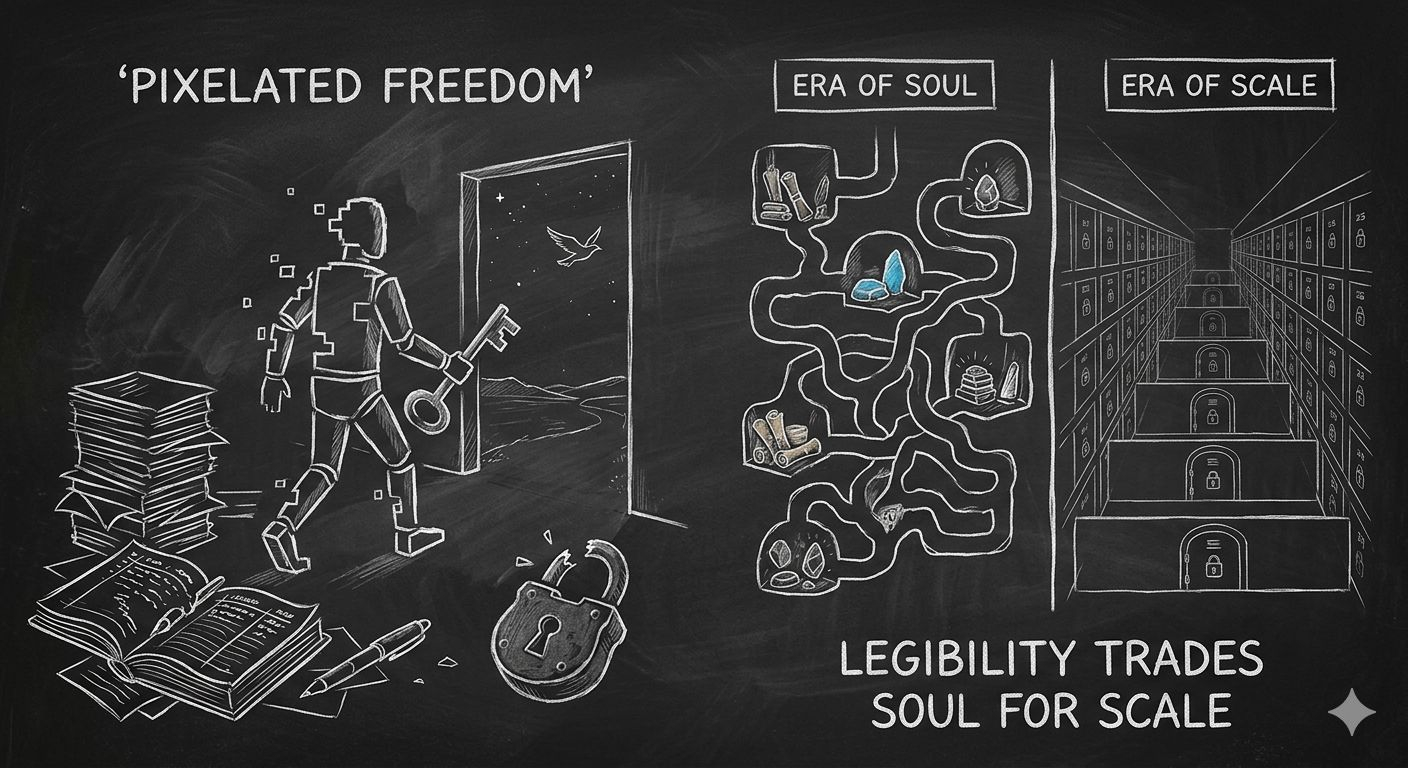
Pixels project serves as a clear example here, sitting at the intersection of casual gaming, farming mechanics, and social layers on Ronin. Its ecosystem invites creation and exploration, but even its campaign presence on Binance Square channels that energy through structured tasks. The brand doesn't scream disruption in every frame; instead, it operates within the familiar loops of engagement farming and token incentives. This isn't failure—it's symptomatic of how Web3 brands navigate the tension between idealism and the practical need to grow audiences in an attention economy that still runs on centralized platforms. We end up with identities that look decentralized because they use blockchain primitives, but function through the same reward-chasing behaviors that defined earlier internet eras.
The uncomfortable truth is that stronger brand identity via pixel precision might actually weaken the messier, more durable kinds of loyalty that emerge when people build without constant scoring. We've mistaken legibility for strength. In chasing designs that hold up under infinite zoom and wallet views, we sometimes sacrifice the analog soul that made early crypto communities magnetic—the late-night forums, the pseudonymous experiments, the willingness to look slightly broken but deeply intentional. @Pixels
What happens to Web3 when its brands become too well-designed to risk misunderstanding? $PIXEL #pixel