
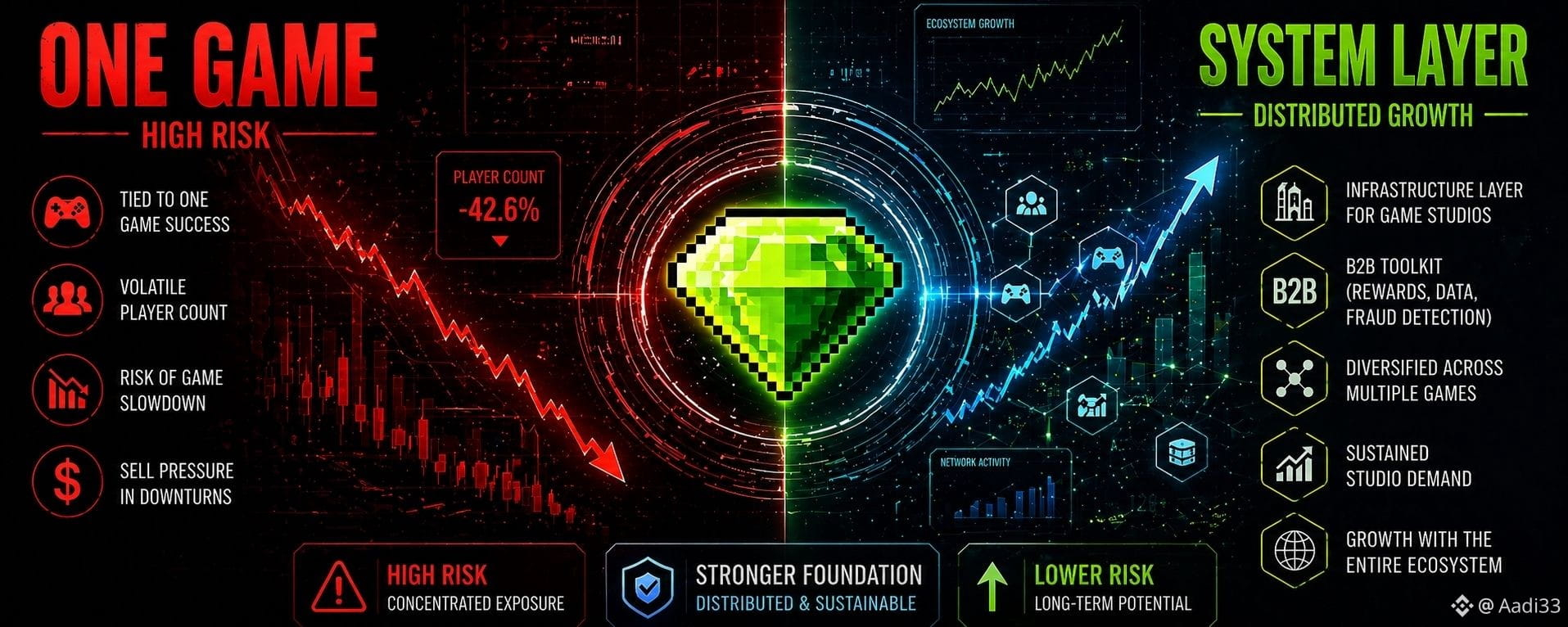
I kept doing the same things in Pixels...but result stopping making sense.
I didn’t question PIXEL at the beginning, because it fit into a familiar framework. I approached it the same way I have approached most web3 gaming tokens, assuming it's value would be directly tied to success of Pixels. If the game grows, the token benefits. If activity declines, the token weakens. That model felt logical to me, and honestly i didn’t have a reason to doubt it at first.
However, the longer I stayed inside the system, the more that assumption started to break for me.
It wasn’t something obvious. It didn’t happen in a single moment. It showed up slowly, through small inconsistencies i couldn’t explain. I was consistent with my activity. Same routines, same timing, same loops. But the results didn’t follow that consistency. Some days everything worked as expected, while other days nothing really moved. That difference didn’t feel random to me. It felt like the system was responding to something i wasn’t fully seeing.
That was the point where I stopped focusing only on what I was doing.
I started paying attention to how the system itself was behaving.
Most people still evaluate PIXEL as a typical single-game token, and I was doing the same. In that structure, everything depends on one loop staying alive. 0ne game, one development team, one active player base. If players leave, demand drops. If demand drops, selling pressure increases.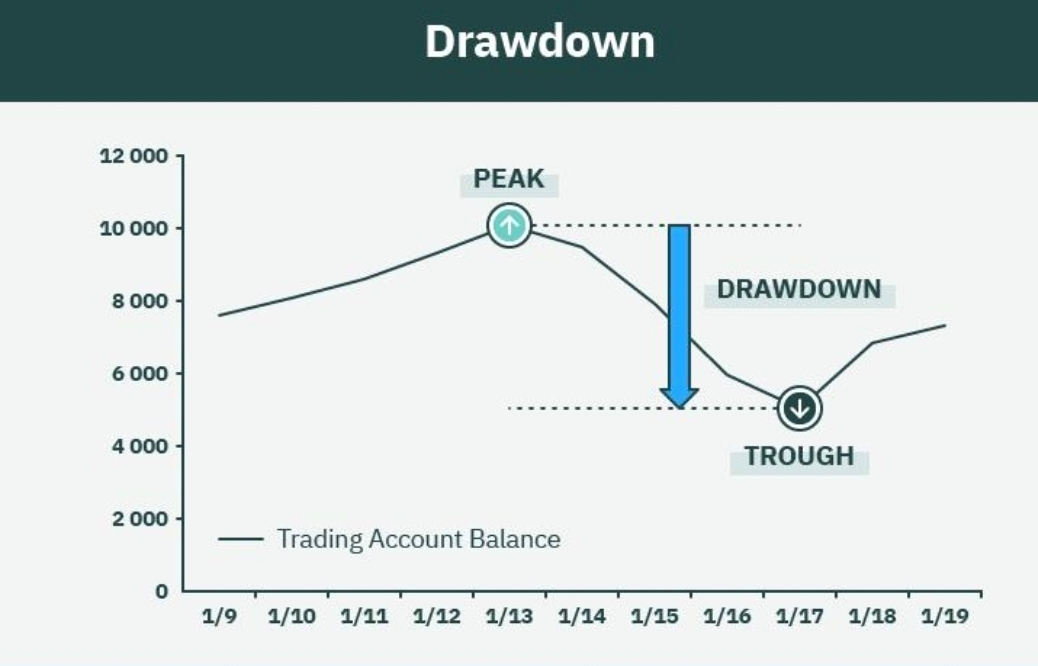 I have seen that pattern before, and I naturally assumed Pixels would follow it as well.
Over time, it became harder for me to explain what I was experiencing using that model.
The system didn’t feel like a closed loop anymore.
At the surface, Pixels still looks like a farming and resource game. I log in, manage energy, complete tasks, and produce output. But underneath that, something else was shaping how everything worked. Energy wasn’t just limiting actions, it was shaping how I planned my time. Resource cycles weren’t just producing items, they were influencing when value actually appeared. Tasks weren’t just rewards, they were quietly guiding my decisions without making it obvious.
I didn’t notice this immediately.
But once I did, i couldn’t ignore it.
My approach started to change. Instead of trying to do more, i started trying to understand more. Doing more only kept me inside the same loop, but understanding the system changed how I moved within it.
The players who seemed ahead weren’t always more active than me.
They were more aligned with how the system worked. They understood timing better. They understood positioning. They seemed to recognize where value was forming before it became obvious.
That didn’t feel like normal gameplay to me.
It felt like the system was rewarding awareness, not just effort.
That realization made me step back and look at where Pixels actually sits.it is built on the Ronin Network, which is designed for multiple games, shared users, and connected economies. That made me realize I wasn’t just inside one isolated loop.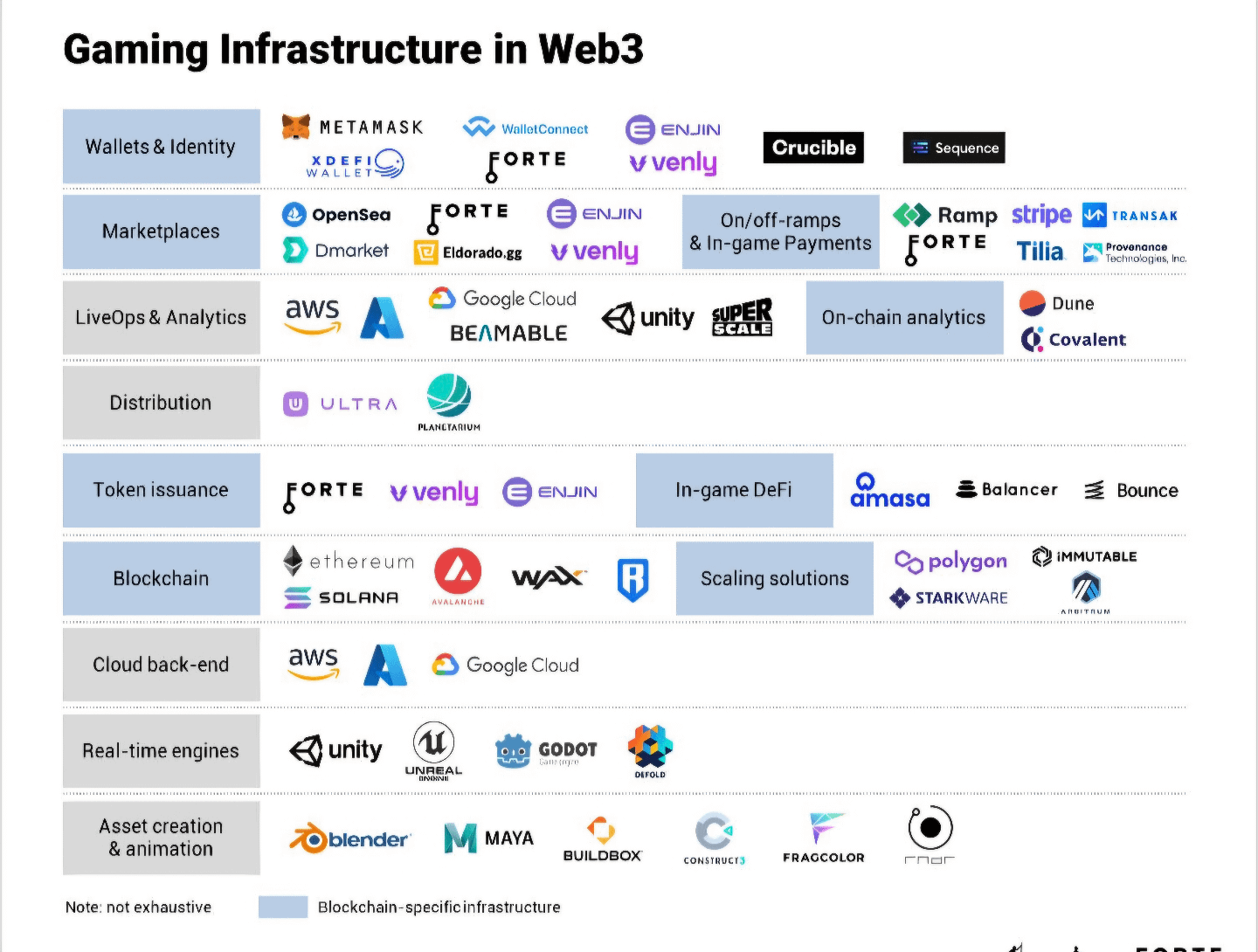
I was inside something that could expand beyond a single game.
This is where my perspective on PIXEL started to change.
Instead of seeing it as just a game token, I started considering that it might be part of something broader. Something closer to a system layer rather than a single loop.
The idea of a B2B-style structure began to make sense to me. Not in a traditional business sense, but in how systems serve other systems. Instead of being limited to one gameplay loop, the underlying layer could potentially support multiple games, multiple developers, and multiple economic environments over time.
That is a very different structure .
A single game token depends on one success, while a system layer depends on how many things connect to it. A single game token reacts directly to player activity, while a system layer responds to broader ecosystem behavior. A single-game token carries concentrated risk, while a layered system distributes that risk differently.
This doesn’t remove risk, but it changes what actually matters.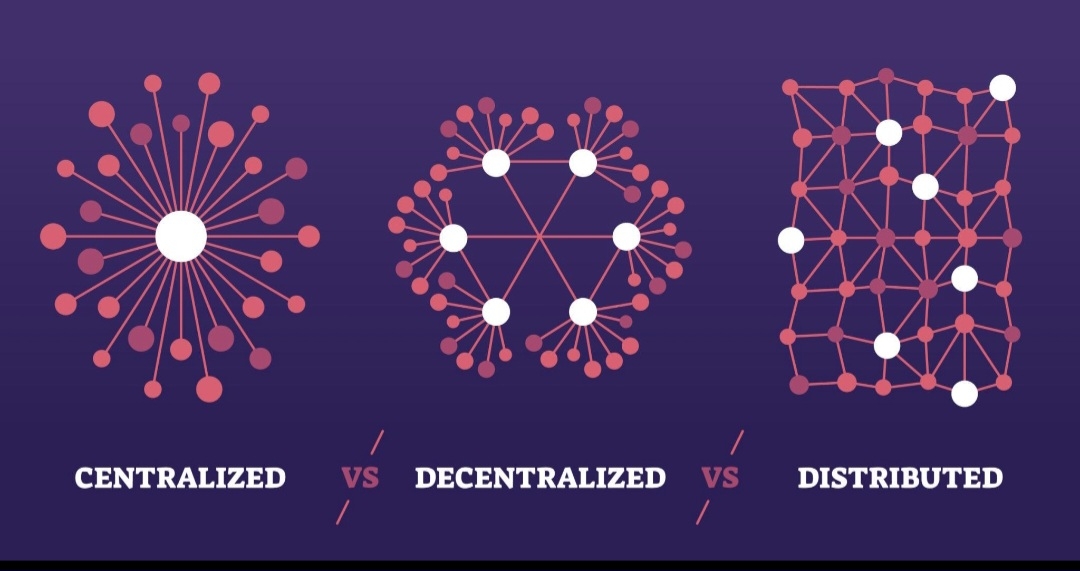
Instead of only watching player activity, I started paying attention to how the system itself was Evolving.
When i looked at recent developments inside Pixels, that direction started to feel clearer. The game is no longer just a simple loop. Systems like animal care and breeding introduced structured supply cycles. Industrial features pushed the game into deeper production layers. Social coordination started shifting behavior from individual activity to something more connected.
Individually, these changes look small.
But together, they started to feel like a shift.
From a loop to a system.
That is where I think most people are still missing the point.
They are focused on what is visible. Daily rewards, tasks, and short-term results. I was doing the same at one point. But the deeper layer doesn’t operate on that logic. It operates on how you interact with the system, how you position yourself, and how you respond to constraints.
That is why many players stay active but don’t really move forward.
They are inside the loop.
But they are not aligned with the system.
For me, the biggest change happened when I stopped asking what I should do next and started asking what my actions actually mean inside the system.
That question changed everything.
Because it forced me to move beyond execution and start understanding structure.
At that point, my view on $PIXEL changed completely.
It stopped feeling like a simple game token.
It stopped feeling like simple game token .
and started feeling like something that does not just reward what you do... but responds to how well you understand it.
And most people are still playing the surface.