Trade Management Is Where Real Profits Are Made 📊
A lot of traders focus only on entries — finding the “perfect setup,” the “perfect signal,” or the “perfect timing.” But what separates consistent traders from the rest isn’t just how they enter trades… it’s how they manage them.
Take a moment to understand this: a good entry can still turn into a bad trade if it’s managed poorly. And on the flip side, an average entry can become a highly profitable trade with the right management.
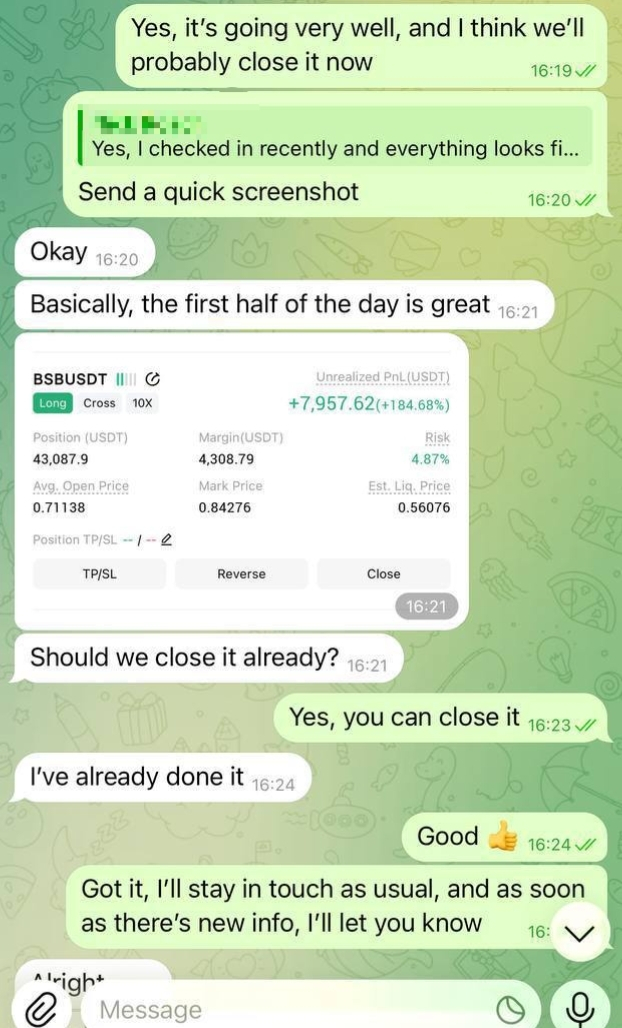
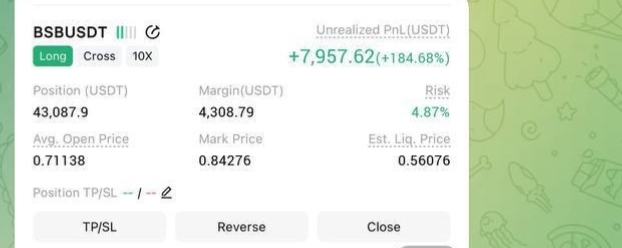
In the trade shown above, everything wasn’t about luck — it was about structure, patience, and decision-making.
At first, the position moved exactly as expected. Momentum was strong, the direction was clear, and confidence started building. This is where many traders make their first mistake: they get emotionally attached to profits too early.
Instead of letting the trade breathe, they either:
Close too early out of fear
Or hold too long out of greed
Both lead to inconsistent results.
The key is balance. ⚖️
In this case, the first half of the day delivered strong performance. The trade was already deep in profit, and the question came: “Should we close it already?”
This is the moment where discipline matters most.
Closing a trade is not about guessing the top. It’s about recognizing when:
The risk-to-reward has already been achieved
The market may slow down or reverse
You’ve extracted a clean and respectable profit
There’s no need to chase every last dollar from the market.
The decision to close wasn’t random — it was calculated. Locking in profits at the right time protects capital and builds consistency over time.
And that’s the real goal.
Consistency > One Big Win
Many traders dream of catching huge moves, but they ignore the importance of stacking smaller, controlled wins. A single high-profit trade means nothing if it’s followed by emotional losses.
Professional trading is boring — and that’s a good thing.
It’s about:
Following your plan
Respecting your levels
Managing risk properly
Taking profits without hesitation
No overthinking. No second-guessing.
Another important lesson here: communication and clarity.
Notice how the process stayed simple:
Trade identified
Progress monitored
Decision made
Trade closed
No chaos. No confusion.
That’s how execution should look.
Risk Management Always Comes First 🚨
Even when a trade is going well, risk never disappears. Markets can reverse anytime. News, volatility spikes, or sudden liquidity changes can wipe out profits faster than expected.
That’s why holding blindly is dangerous.
Smart traders ask:
“If the market turns now, am I satisfied with this profit?”
“Is there still strong momentum, or is it slowing down?”
If the answer isn’t clear, securing profits is often the smarter move.
Emotional Control Is Everything 🧠
The hardest part of trading isn’t strategy — it’s controlling your emotions.
Greed says: “Hold, it will go higher.”
Fear says: “Close now before it drops.”
Discipline says: “Follow the plan.”
And in the long run, discipline always wins.
Final Thought
Trading isn’t about being right all the time. It’s about making the right decisions consistently.
A well-managed trade, closed at the right time, is always better than a perfect trade that turns into regret.
Stay patient. Stay focused. And most importantly — respect your system.
Because in the end, it’s not the market that decides your success… it’s your behavior within it. 📈