
For beginners, diving into the crypto world can feel overwhelming at first. There are so many new terms, numerous platform options, and it often leaves you scratching your head about where to start. But by 2026, everything is way simpler and faster to access. The infrastructure has matured, regulations in many places are becoming clearer, and user experience across various crypto apps is much more user-friendly compared to a few years back.
Now the flow is clearer and can be followed by anyone, even total newbies:
How to start buying Bitcoin:
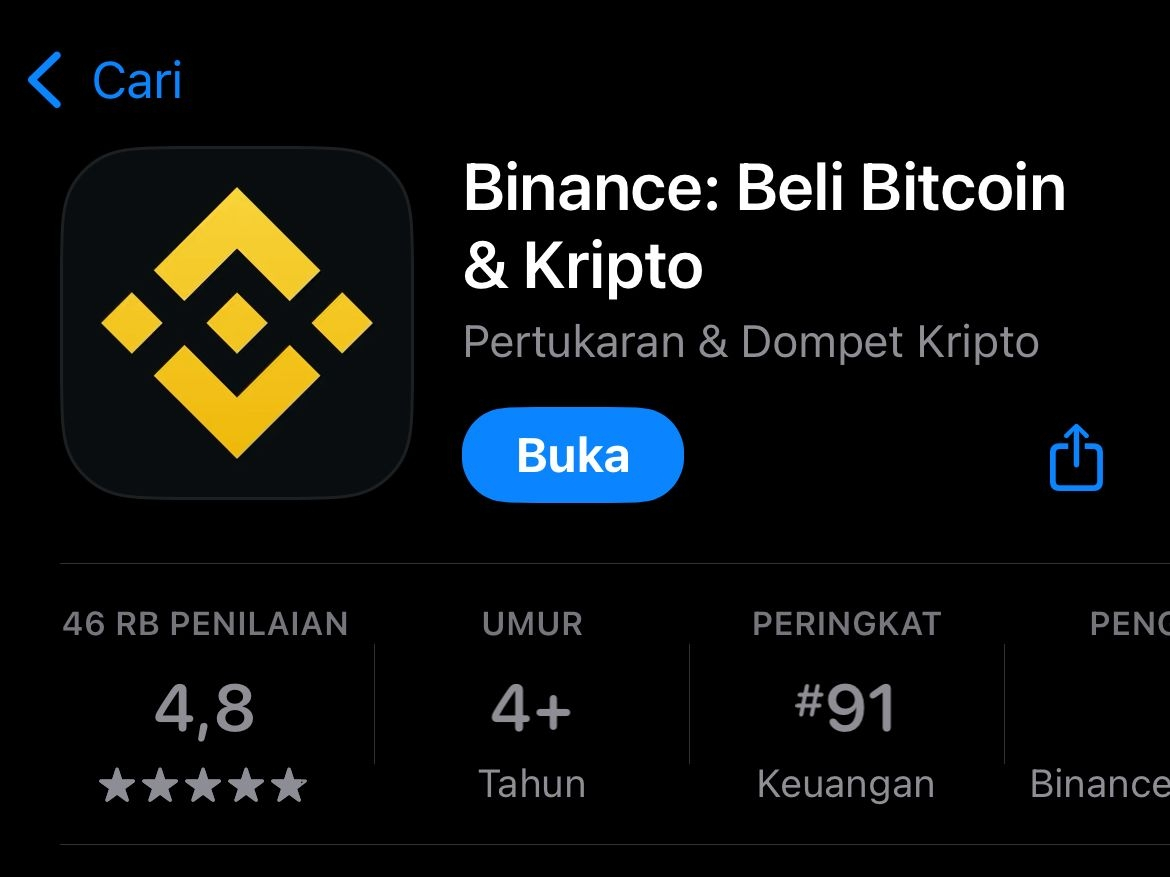
Choose a trusted platform like BINANCE
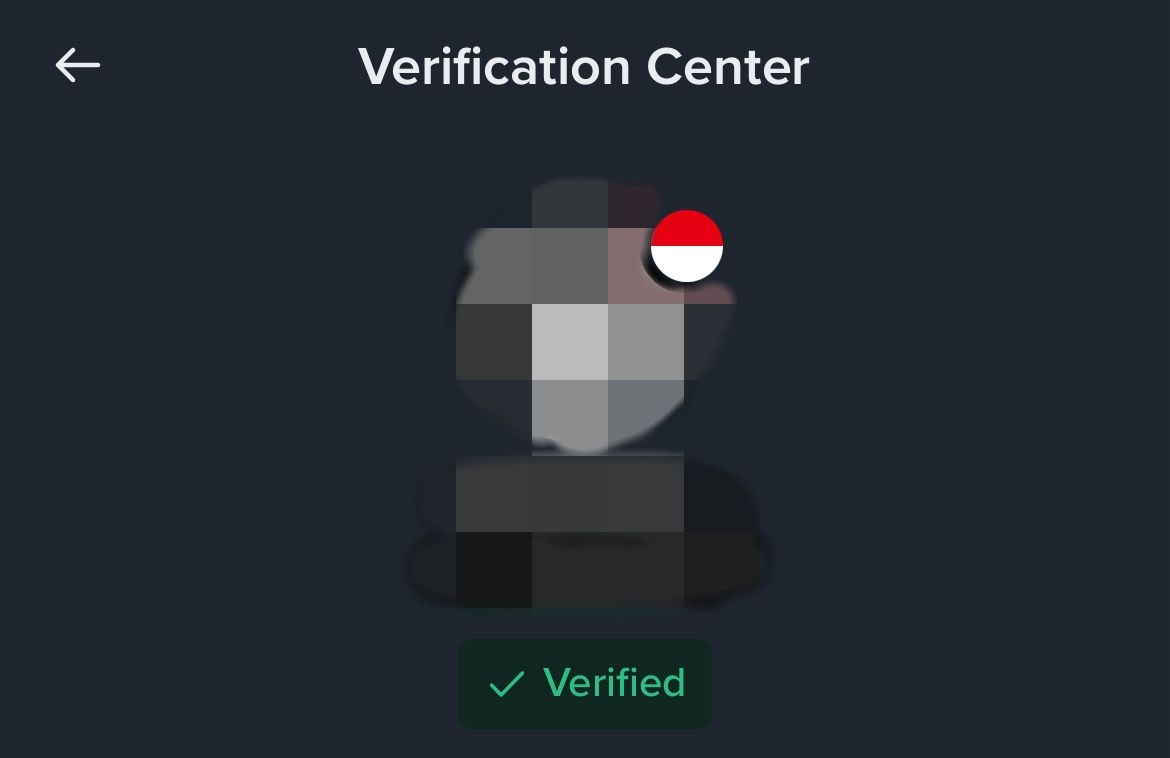
Verify your account
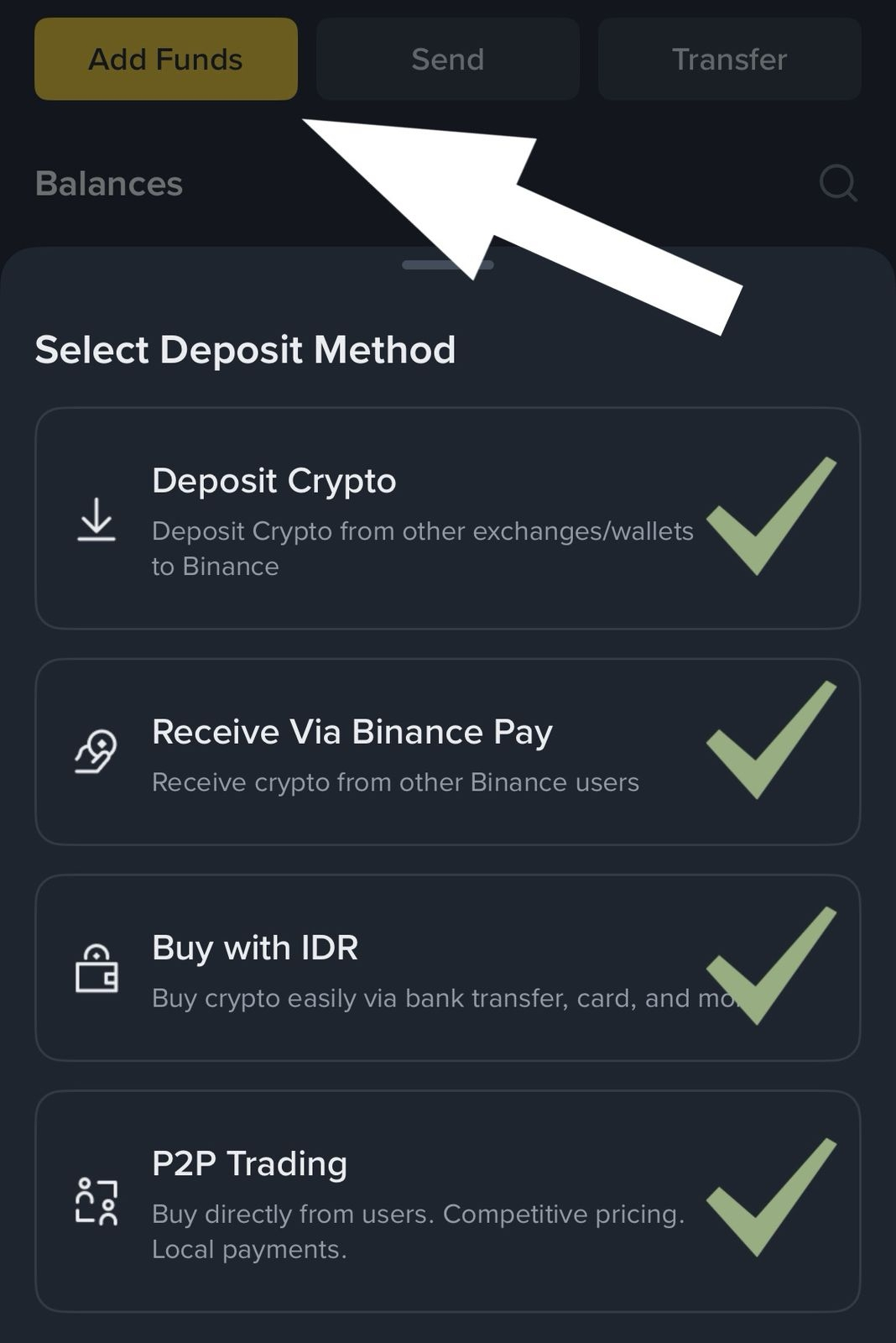
Deposit funds
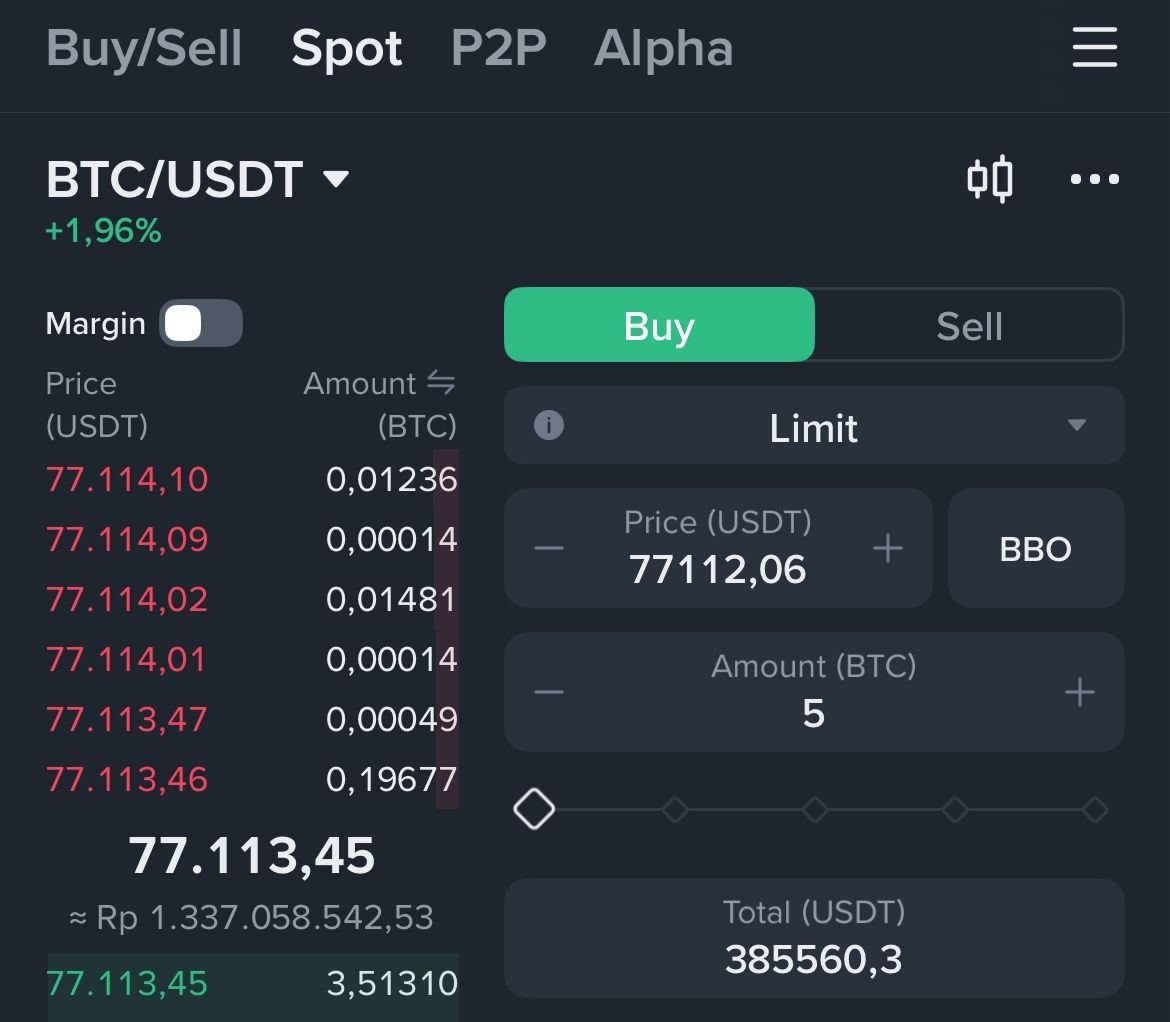
Start buying Bitcoin
It sounds simple, and technically it is. But there are still important things that shouldn’t be overlooked, especially for you newbies:
Important points for beginners:
Don't go all-in at the beginning
Start with a small amount first
Learn the market rhythm gradually
Get used to watching price movements without panic
Because although access is becoming easier, the crypto market still has a character that differs from other instruments. Its ups and downs can be swift, and if you're not mentally prepared, it's easy to get carried away by emotions.
Why are so many people starting to take Bitcoin seriously now?
One of the strongest reasons is that its supply is limited. There will only ever be 21 million coins, and they can't be arbitrarily increased like traditional currency that can be printed anytime by governments.
As many countries continue to print money for various economic needs, assets with fixed supplies like this are becoming more sought after.
This concept makes many people view Bitcoin as a long-term 'store of value'. Similar to gold, but in digital form. The difference is, Bitcoin is not physical and can be accessed anytime as long as there's internet.
For some, this becomes an alternative to protect the value of their assets from inflation risks. It doesn't mean it’s without risks, but there’s a strong narrative that places Bitcoin in a unique spot in modern investment.
Bitcoin adoption is widening
If it used to be known only among certain circles like tech communities or traders, the situation is now vastly different.
Some clear developments are visible:
Big institutions are starting to enter the crypto market
Global companies are starting to hold Bitcoin as part of their assets
Some countries are starting to regulate and even use crypto in their systems.
With the involvement of these big players, trust in Bitcoin has also increased. People feel this is not just a fleeting trend, but something that is developing into part of the global financial system.
The effects are felt immediately in the market. The more people believe, the stronger Bitcoin's position as a valued asset.
Bitcoin vs gold in the digital era

When compared to gold, both serve a similar function as a hedge. But in the digital age, Bitcoin has several advantages that make it more flexible.
Advantages of Bitcoin:
Send money across countries in minutes
No complicated intermediaries needed
Can be bought in small amounts, even very small
Easily stored digitally
Limitations of gold:
Requires secure physical storage
The shipping process is impractical
Cannot be flexibly divided for small transactions
This doesn’t mean gold is losing out, but rather that both have different characters. And in an increasingly digital world, flexibility is a significant added value.
Bitcoin as an investment diversification

On the other hand, Bitcoin is also starting to be seen as a tool for diversification in investments. Many investors now realize that keeping all funds in one type of asset is risky.
That's why they’re starting to build a more diverse portfolio:
Stocks for growth
Gold for stability
Crypto for additional opportunities
The goals:
Reduces risk if one asset drops
Opens profit opportunities from various sectors
Bitcoin becomes attractive because its movements often don't align with traditional assets. When the stock market drops, Bitcoin doesn't necessarily follow the same pattern. This is what makes it seen as a complement in investment strategies.
Access becomes easier in 2026
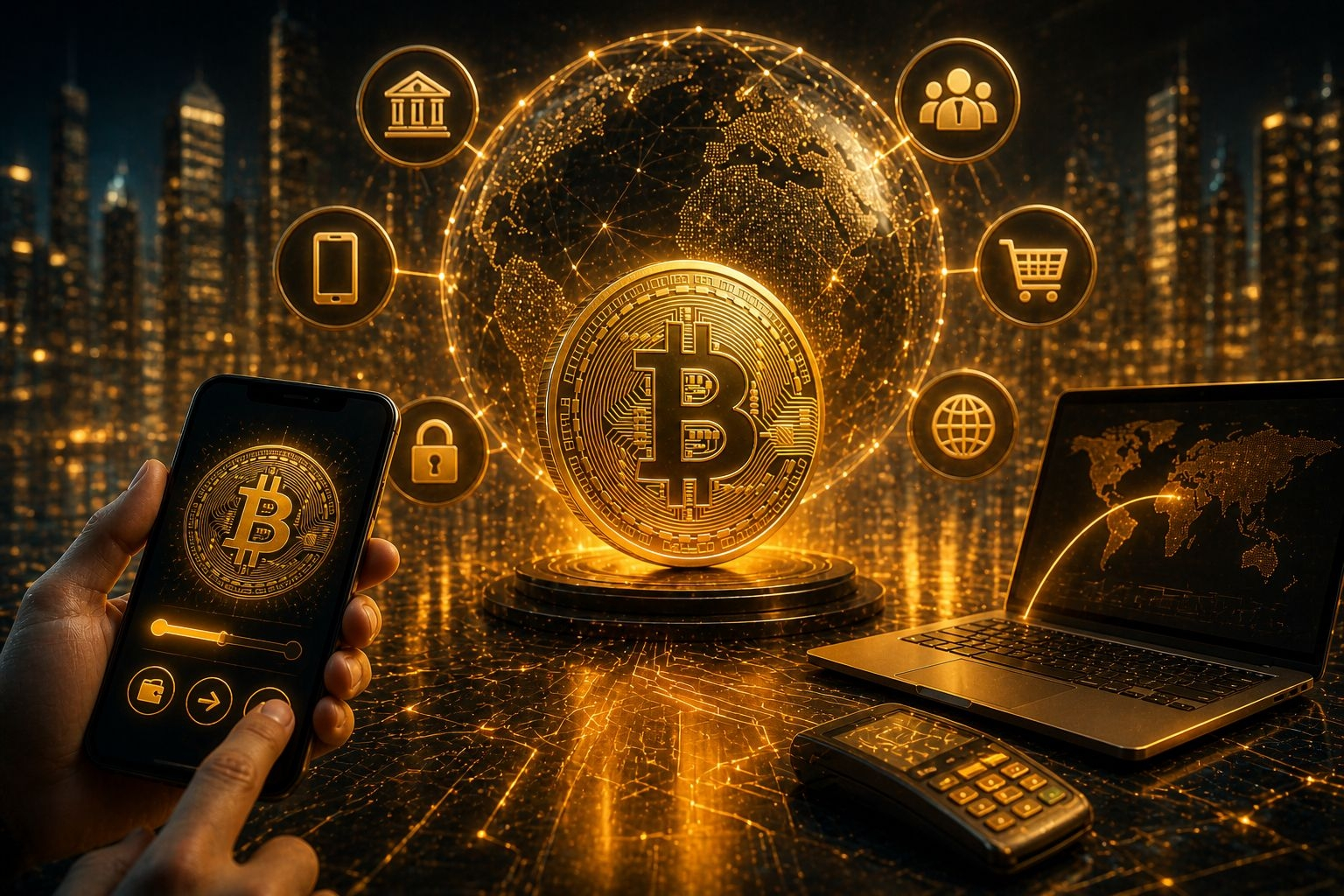
What’s becoming increasingly relevant is that access to Bitcoin is now wide open. It used to require fairly deep technical knowledge, but now everything has been simplified.
The conveniences that can be experienced:
Quick account registration
User-friendly app interface
Many payment method options
Education is easily found everywhere
This means anyone can start. Even with a small capital, it's enough to learn. You don’t have to have a large amount of funds to enter this world.
But there are still basic principles that are important:
Don't rush
Don't be tempted by hype alone
Focus on the learning process
Because behind that ease, risks still exist. Prices can soar high, but they can also drop sharply in a short time.
Psychological factors: often underestimated

Another thing that beginners often forget is the psychological factor. Many people get into Bitcoin not because they understand it, but because they fear missing out. This often leads to irrational decisions.
Common mistakes:
Buying when prices are high just because of following others
Panic selling when prices drop
Not having a plan at all
Checking prices too frequently
In fact, a healthier approach is quite the opposite:
A wiser approach:
Have a plan before buying
Set goals (short or long term)
Ready for potential ups and downs
Not reactive to every small movement
Learning to control emotions is as important as understanding the technicals.
Not a get-rich-quick scheme
Additionally, it’s also important to understand that Bitcoin is not a get-rich-quick scheme. Many success stories circulate, but the long process behind them is rarely discussed.
The reality:
It takes time to understand the market
Consistency in learning is needed
Patience in facing volatility is necessary
If you enter with instant expectations, it usually ends in disappointment. But if you take a more realistic approach, the opportunities can be better preserved.
Conclusion
In essence, by 2026, Bitcoin is no longer just a passing trend. It has evolved into one of the seriously considered investment options by many, from individuals to large institutions.
Its potential still exists because:
Limited supply
Continuously growing adoption
New roles in the global financial system
But on the flip side, the risks are also real and cannot be ignored.
So if you're interested in starting:
Don't just follow the crowd
Take time to learn
Start with small steps
Build understanding gradually
Be consistent and disciplined
With that kind of approach, you're not just following trends, but truly understanding what you're getting into.
And in a world like crypto, that makes a difference.