
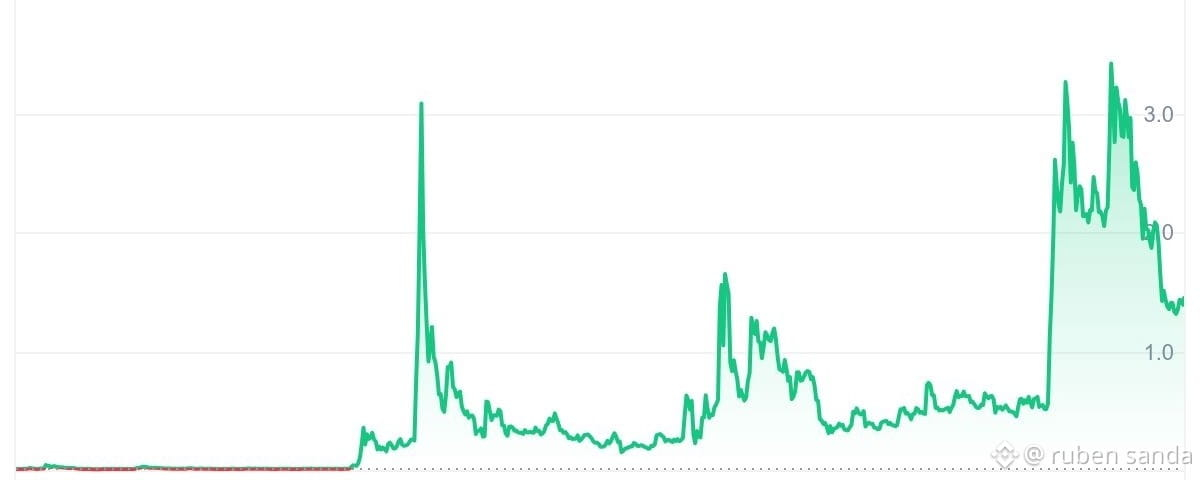
#XRP ⌛️⌛️#LeyCLARITY #ResetZone
📰 Key News for May 2026
Bank Alliances: Ripple keeps expanding in Asia; they recently announced a partnership with KBank (Korea) to implement digital wallet infrastructure.
ETF Flows: XRP ETFs in the U.S. have seen positive net capital inflows for the third consecutive day, suggesting that institutional investors are accumulating at these levels.
Macro Context: Despite geopolitical tensions in the Middle East, XRP has shown resilience, partly due to its real utility in cross-border payments that already move trillions annually, directly competing with the SWIFT system.
But let's go further...
Talking about XRP in 10 years (2036) leads us to a scenario where blockchain technology won't be a "novelty" anymore, but the backbone of the global financial system.
By 2036, XRP's success won't be measured by trading charts but by its integration into the new G20 payment standard and global banking infrastructure.
🏛️ The 3 Pillars of the Future (2026-2036)
1. The End of "Nostro/Vostro" Accounts
These days, banks have trillions of dollars "trapped" in foreign accounts to facilitate international payments. In 10 years, the XRP Ledger (XRPL) is expected to free that cash up, using XRP as an instant "bridge." If that happens, the demand for XRP would be constant and massive from financial institutions.
2. Tokenization of Real-World Assets (RWA)
By 2036, it won't just be money being sent. Stocks, bonds, real estate, and commodities will move as "tokens" on the XRPL. Ripple is already working on this, and being the network where these assets settle would give the native token enormous intrinsic value.
3. Interoperability with CBDCs
Most countries will already have their Central Bank Digital Currency (CBDC). XRP won't compete with them; instead, it will act as the universal translator. If the digital Euro wants to talk to the digital Yen, XRP will be the most efficient bridge to make that exchange happen in 3 seconds.
🚀🚀🌒