

Hawkish new chair + strong employment data, the probability of rate cuts crashes, and BTC's mid-term price action faces a repricing!
May 15, Bitcoin might see a major shift.
You think it's just a normal leadership change at the Fed? No, this is one of the most impactful transitions in decades.
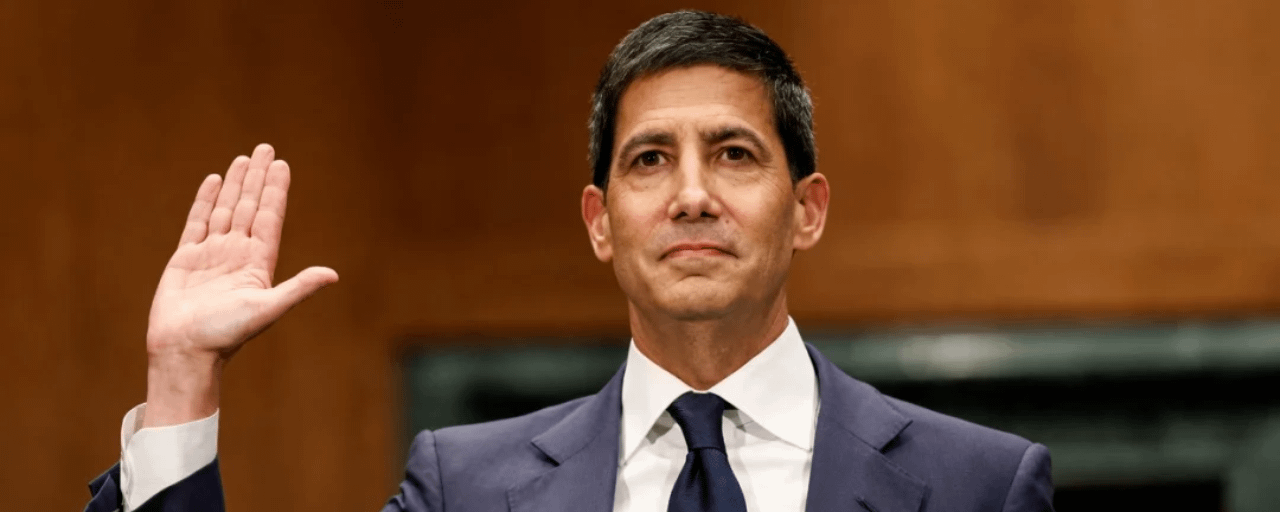
Kevin Walsh, a man way more 'hawkish' than Powell, officially takes the helm of the Fed on May 15. Meanwhile, April's non-farm payrolls exceeded expectations for the second month in a row, and the ADP data was also explosive.
Rate cuts? Don’t even think about it.
Rate strategist Ira Jersey put it bluntly: 'It's hard to see the Fed choosing to cut rates under these circumstances.'
Here’s the question: How much impact will the Fed's leadership change have on Bitcoin's medium-term trend?
Don’t rush, first look at history, then discuss why this time is 'different'.
How did BTC perform during the last two leadership changes?
In February 2018, Powell took over from Yellen.
What price was Bitcoin back then? Just dropped from the $20k high to around $10k, and the market was still dreaming of a 'rebound'.
What did Powell do after taking office? Rate hikes, balance sheet reduction, hawkish all the way.
What about Bitcoin? Dropping from $10k to over $3k, a direct halving and then another halving, a whole year in a bear market—how many people got wrecked at the floor?
Before and after the Fed's leadership change, the market will reprice the entire liquidity expectations. New leadership will kick off with a focus on 'tight or loose money'.
This time it's tougher: Waller + job data = double whammy.
Why say this time might be scarier than before?
First, Waller is more hawkish than Powell.
Powell at least mentioned 'data dependency', occasionally giving some dovish hopes. And what about Waller? His statements are frighteningly clear: low tolerance for inflation, strong willingness to raise rates, and rate cuts? Dream on.
Second, the job data is ridiculously strong.
In April, non-farm payrolls were 115,000, exceeding expectations for two consecutive months, with ADP also showing strong results. The labor market is acting like it's on steroids—how could the Fed justify cutting rates?
Third, the market expectations are being violently repriced.
Before, everyone was secretly betting on rate cuts in the second half, now? Rate futures have already crushed the chances of rate cuts to rock bottom.
Money stays expensive, liquidity stays tight, and risk assets remain under pressure.
Medium-term trend predictions: three possible scripts.
Script One: Choppy Downtrend (Probability 60%)
After Waller took office, he maintained a hawkish tone, and the market gradually digested the bad news, with Bitcoin grinding within the current range. No major crashes, but no big rebounds either—just a torturous market.
Script Two: Short-term Panic Sell-off (Probability 30%)
Waller's debut speech was more hawkish than expected, causing instant panic in the market, Bitcoin crashed 10%-20% quickly, then slowly started to recover.
Script Three: Bullish Rebound After Bad News (Probability 10%)
"Buy the rumor, sell the news"—if the market has already priced in hawkishness to the max, Waller's arrival could actually lead to a technical rebound. But don’t expect a full reversal.
What should we do?
First, don't go against the Fed.
During Powell's era, you could criticize him for 'not understanding crypto', but in Waller's era, it won’t matter because he’s a true hawk.
Second, cash is king is not just a saying.
In a tightening liquidity cycle, holding cash is like holding options. Don’t go all-in on risky assets for 'inflation hedge'—in this environment, not losing is winning.
Third, shift from dollar-cost averaging mindset to swing trading mindset.
The 'brain-dead dollar-cost averaging' strategy from the past two years needs a tweak. The medium-term uncertainty is too high, learn to swing trade, or just sit on the sidelines until Waller's policy direction is clearer.
To sum it up: the Fed's leadership change is not just short-term news, it’s a fracture point for medium-term trends. After May 15, stop using Powell's logic to play Waller's game.