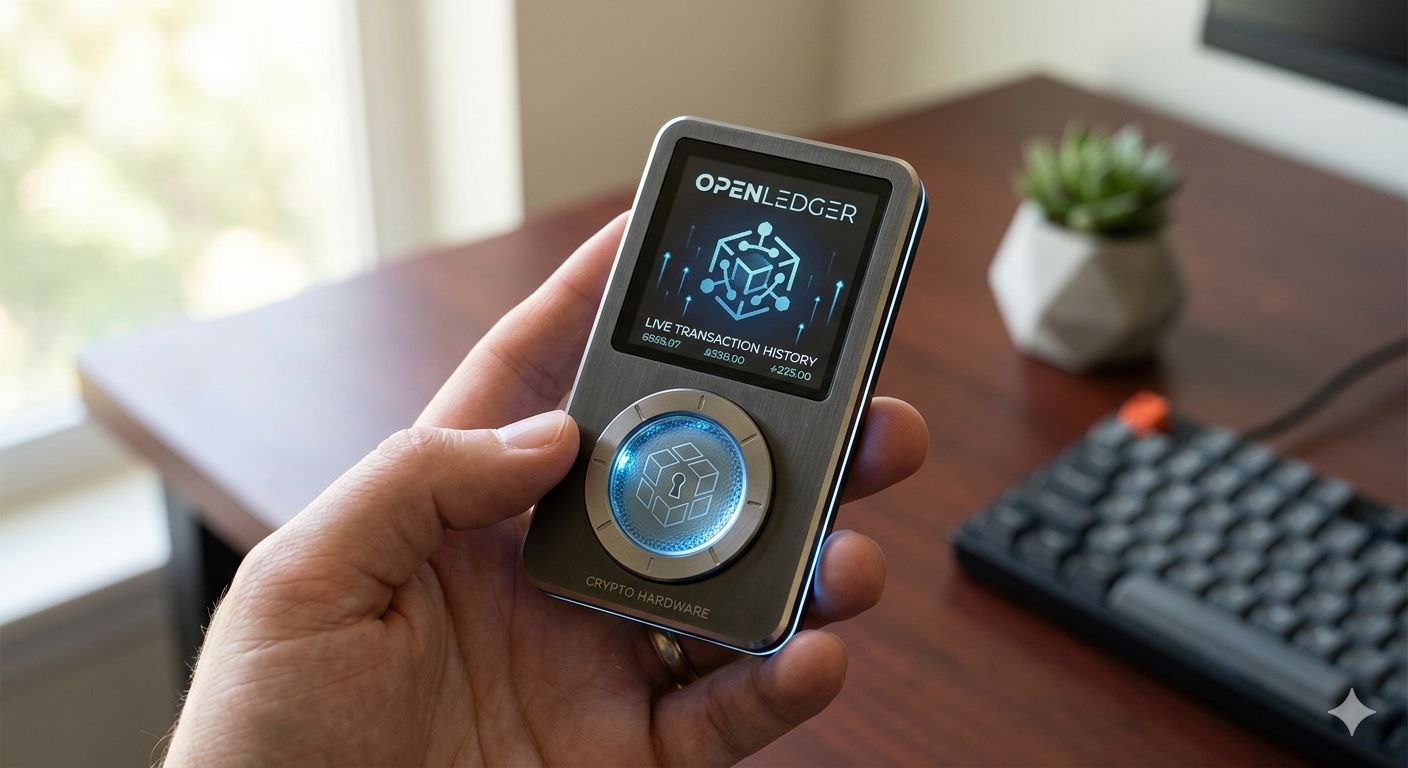
OpenLedger is a specialized Layer-1 blockchain designed for the creation, training, and decentralized deployment of artificial intelligence (AI) models. Its main goal is to make the AI industry transparent and to strip big corporations of their data monopoly, giving users the ability to own and monetize their data.
How the OpenLedger ecosystem works
The project brings the entire AI lifecycle (from data collection to deploying finished models) directly onto the blockchain using several key tools:
Datanets: User communities can create or enhance specialized datasets for training specific models (for instance, in the fields of medicine, finance, or cybersecurity).
Proof of Attribution: The platform's main tech feature. The blockchain records each user's contribution. If an AI model improves thanks to your data, the system automatically rewards you. When a third-party developer makes a paid request to the model (the Payable AI concept), the authors of the utilized data and architecture receive their share from the microtransaction.
ModelFactory: A no-code platform where you can customize, train, and fine-tune large language models (LLM) simply by selecting the needed datasets through a user-friendly interface.
OpenLoRA: A tech engine that optimizes the load on hardware. It allows thousands of adapted models to run on a single GPU, significantly reducing compute costs.
Token OPEN
At the core of the entire network lies the native token OPEN (launched in September 2025). It serves three main functions:
Gas Fees: Used to pay for any transactions on the platform — from uploading datasets to executing AI computations.
Rewards: Distributed to network participants for providing quality data, computing power, or verifying results.
Governance: Token holders can vote on future protocol updates and ecosystem development.