
After 5 years of trading crypto contracts, I've noticed a paradox: the 'smarter' the trader, the more they tend to lose. Charts are cluttered with dozens of indicators, entries are sought at the highest highs, and the fear of closing a losing position paralyzes... In the end, both the deposits and sleep suffer.
So I ditched all the junk and opted for a super simple approach. It only takes a couple of hours a day and keeps the win rate above 90%. The irony is that this 'dumb' strategy without indicators has yielded consistent results.
Heard about Order Block (OB), but still don’t understand how it works? Let me explain briefly, clearly, and simply 👇
💡 What is this?
Order Block (OB) is a price zone where a big player (institutional) accumulated their position before a powerful impulse. By the Smart Money concept, it’s the 'whale's' footprint: a place where the crowd got stopped out, and the price sharply changed direction.
📍 How to find the right OB on the chart?
In simple words: this is the last candlestick of the opposite color before a strong move that breaks the market structure.
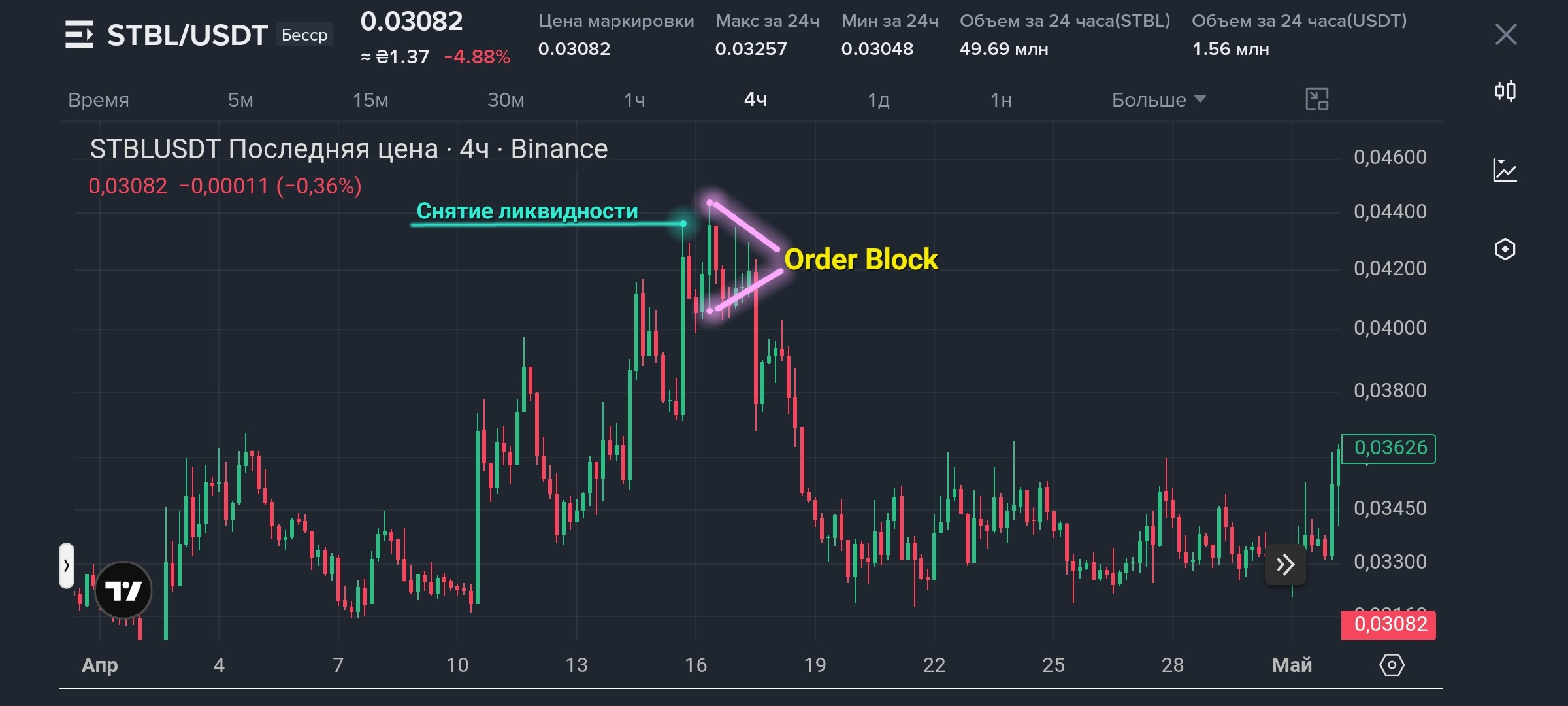
🟢 Bullish OB — the last bearish candlestick before a sharp impulse upwards.
🔴 Bearish OB — the last bullish candlestick before a sharp drop.
✅ 3 criteria of an iron order block
If these factors are absent — the block is weak, skip it:
Liquidity removal: the tail of our candlestick first updated the previous extreme (collecting the crowd's stops) and then reversed.
Powerful impulse: the price flies instantly, often leaving behind FVG (imbalance/vacuum on the chart).
Structure break (BOS / CHoCH): this impulse confidently updates the previous local high or low.
🎯 How to trade this?
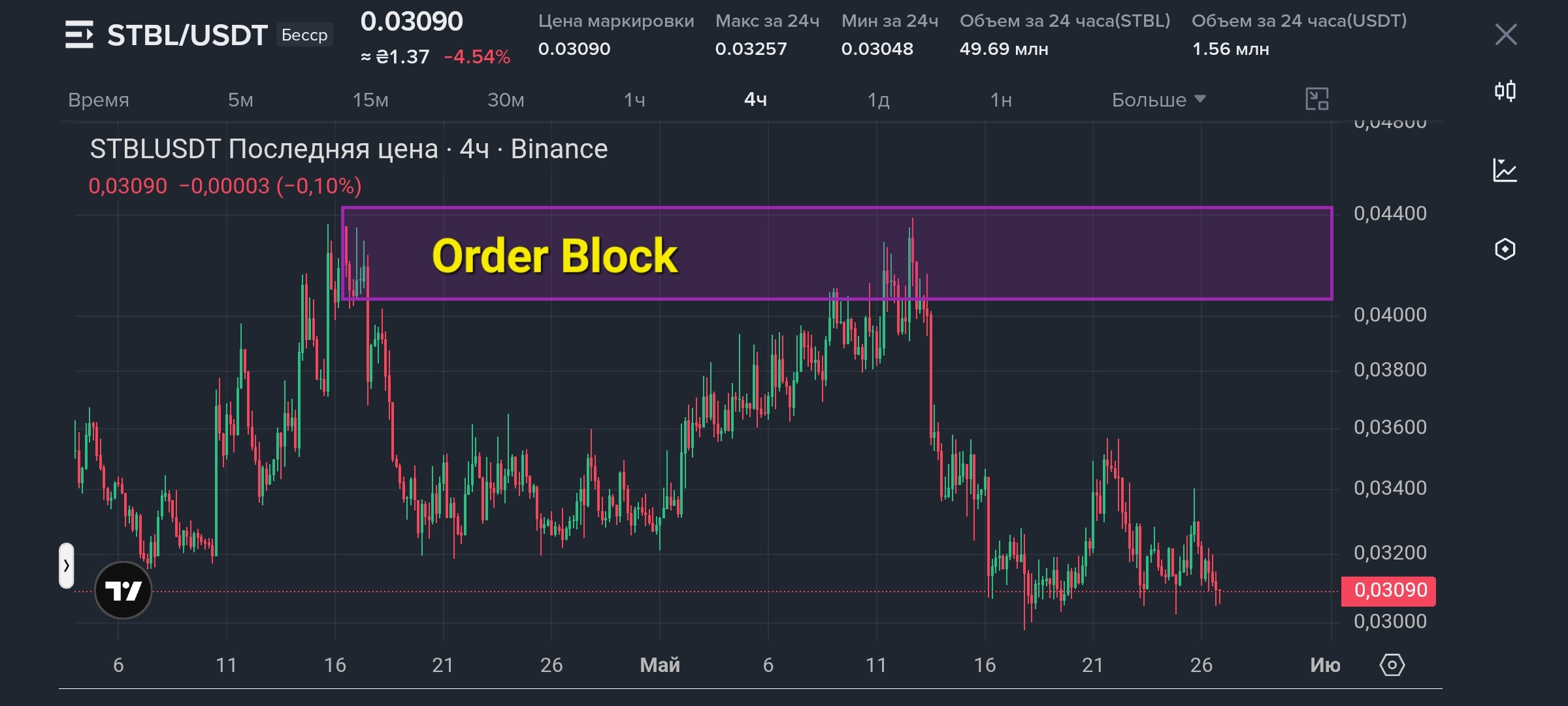
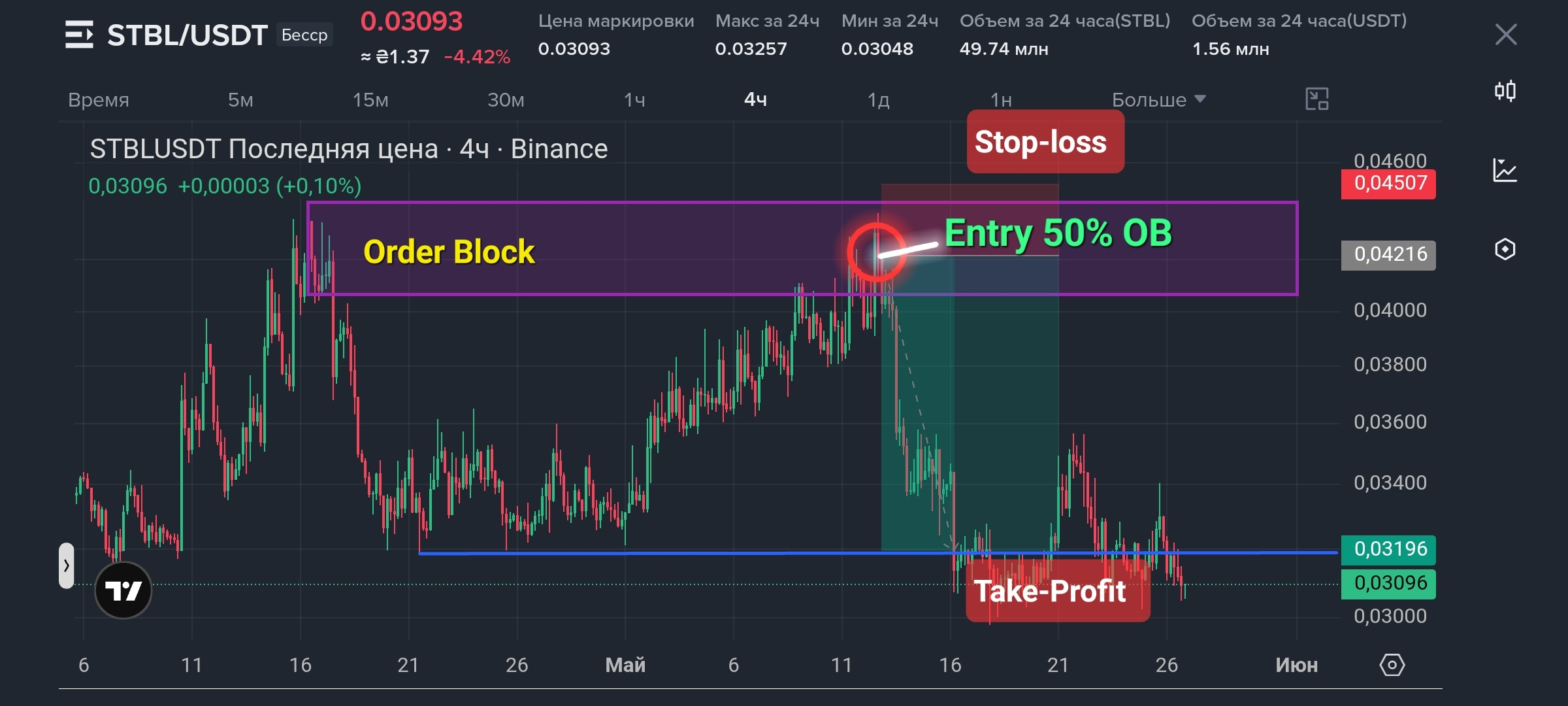
The logic is simple: when the price returns to our block, the big player protects their money. A bounce occurs.
📌 Entry: Limit order (Buy/Sell Limit) is set from the start of the OB candlestick or exactly from its midpoint (50% level).
🛑 Stop-loss: Hide behind the opposite tail of the OB candlestick.
💰 Take-profit: Set to the nearest liquidity levels (opposite local highs/lows).
Everything is below in the photo👇
⚠️ Important nuances from me
Ignore small timeframes: Look for blocks on H4 or D1. The higher the timeframe, the stronger the protection from the big player.
One touch rule: The highest probability of execution is always on the first retest of the zone. The second and third approaches to the block often lead to its breakout.
Don’t argue with the trend: Only trade those blocks that align with the direction of the global trend.
An order block is not magic, but pure money distribution logic. Stop complicating your charts. Learn to see where the 'whale' entered, and flow with them, not against them.
Save it if it was useful 🫡