

When I first heard about @OpenLedger
EVM Compatibility and Real-World Integration
#OpenLedger EVM compatibility simply means developers don't need to learn anything new. Your favorite tools like MetaMask, Solidity environments, and existing dApps can migrate here seamlessly. For cross-chain integration, they use trust-minimized bridges that maintain data integrity. However, as a researcher, I always say don't forget to check smart contract audits. Their protocols should be audited by reputable firms like CertiK or Quantstamp (whichever is in their latest audit report) because compromising on safety means direct losses.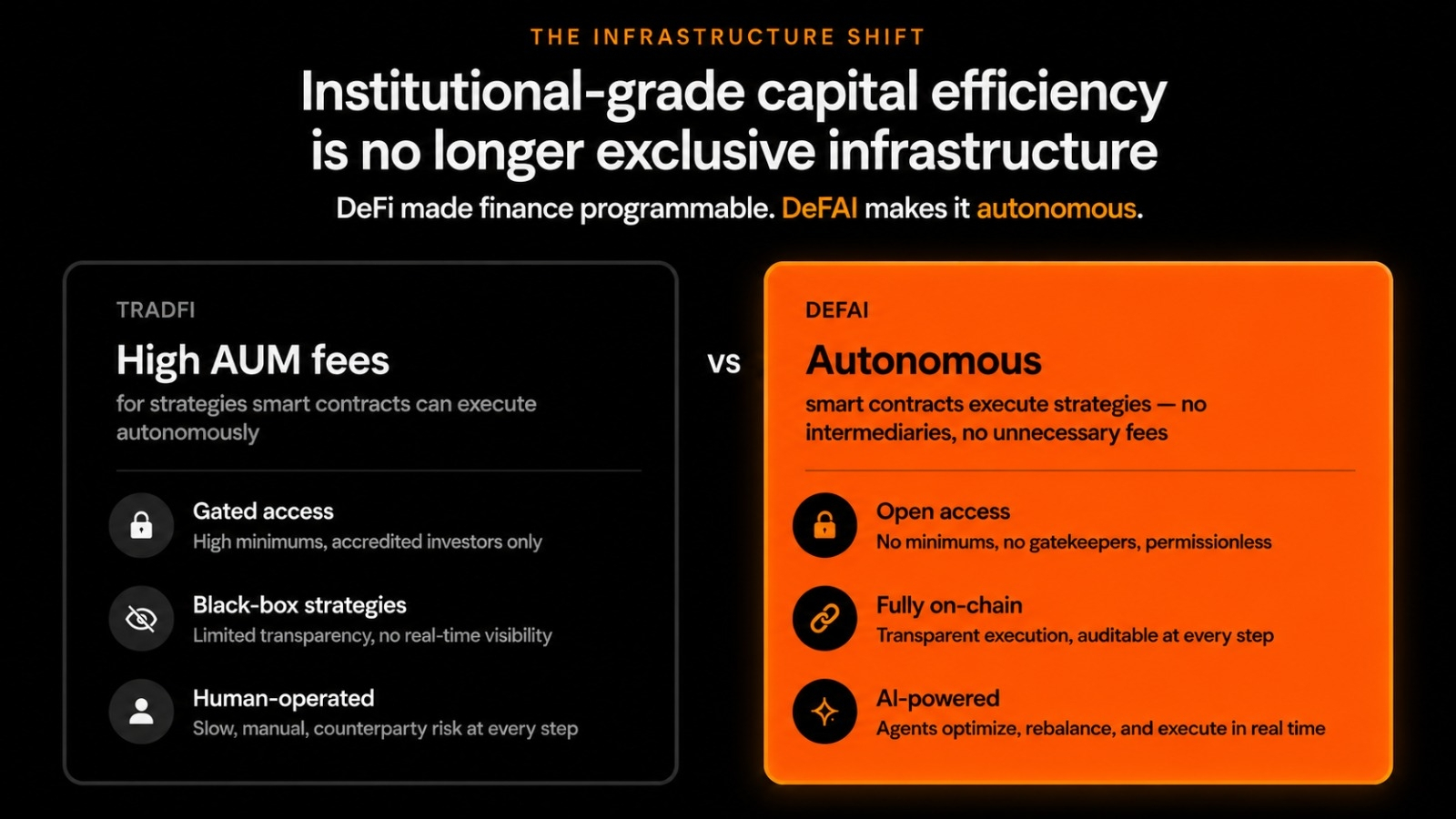
Metrics That Tell the Real Truth
Away from the hype, if we look at the data:
1. GitHub Activity - They've had over 500 commits in their repository in the last 3 months. This shows that the dev team is not just talking, code is being deployed.
2. Developer Ecosystem - Over 40 active independent developers are engaged in building the system, which is a core indicator of any healthy L1/L2.
3. Scalability (TPS) - On the testnet, their performance is touching over 2,000 TPS. In the real world, this is quite capable of bypassing Ethereum's congested lanes.
4. TVL and Partnerships + Since they are currently in a growth phase, the TVL is still organic, and their strategic partnerships (like recent middleware integrations) indicate that institutional interest is increasing.
Vesting Schedule means that red flag we often miss.
The team's and investors' unlocking schedule is like the market sentiment thermometer. If vesting is fast, it creates downward pressure on the token price. OpenLedger's vesting schedule seems quite balanced with a linear release, which helps control panic selling. As long as the team has their skin in the game, the project is moving towards long-term sustainability.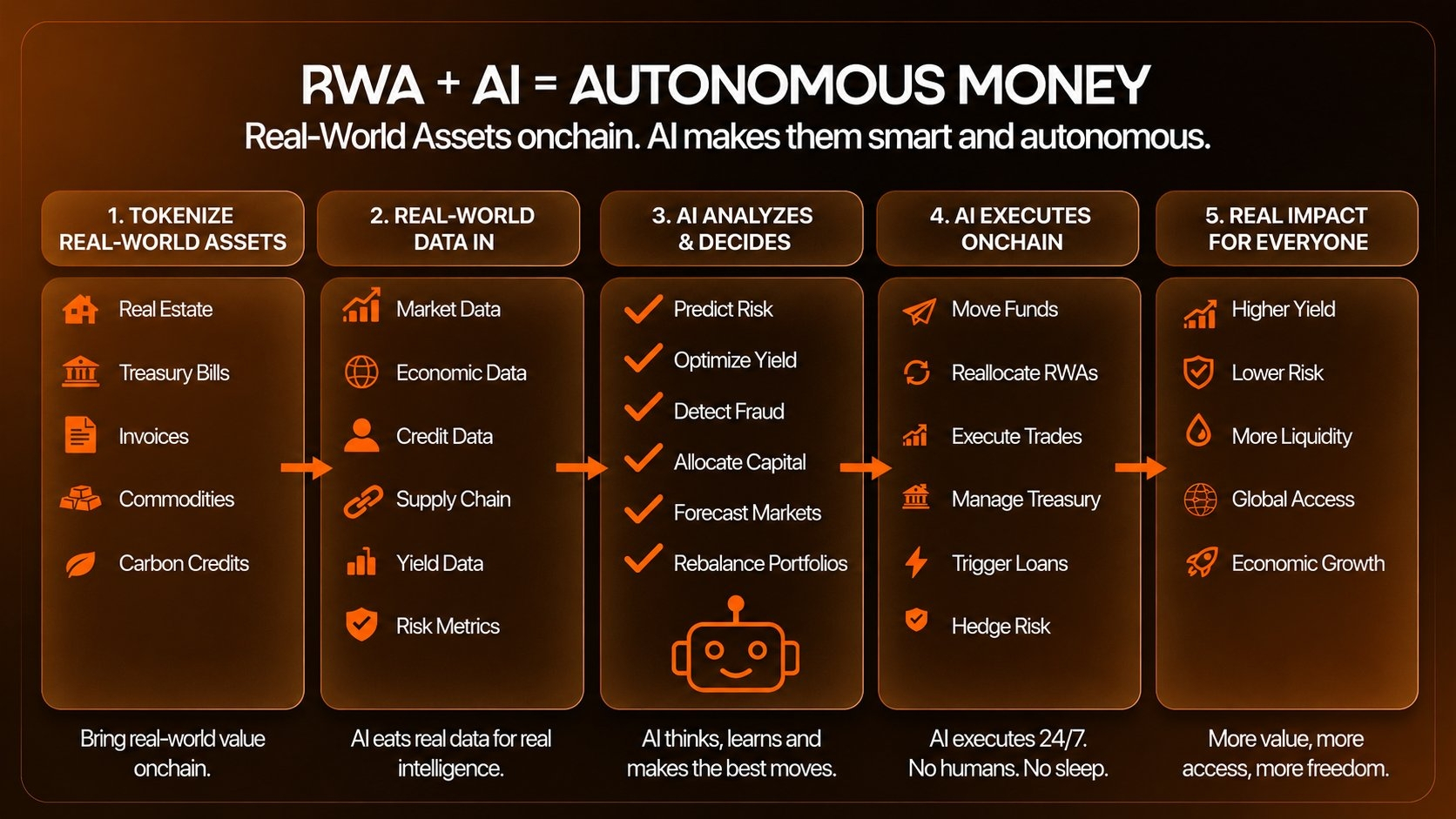
What is the Real Work of the Open Token?
$OPEN token is not just for speculation; it is a utility token:
1. Network Fuel
Just like a car needs fuel, the OPEN Token is used as gas for transactions on the network.
2. Validator Incentives
Those who secure the network are rewarded with OPEN tokens.
3. Governance
You can use your tokens to vote on what changes should happen in the network.
Problem vs Solution - My Personal Take
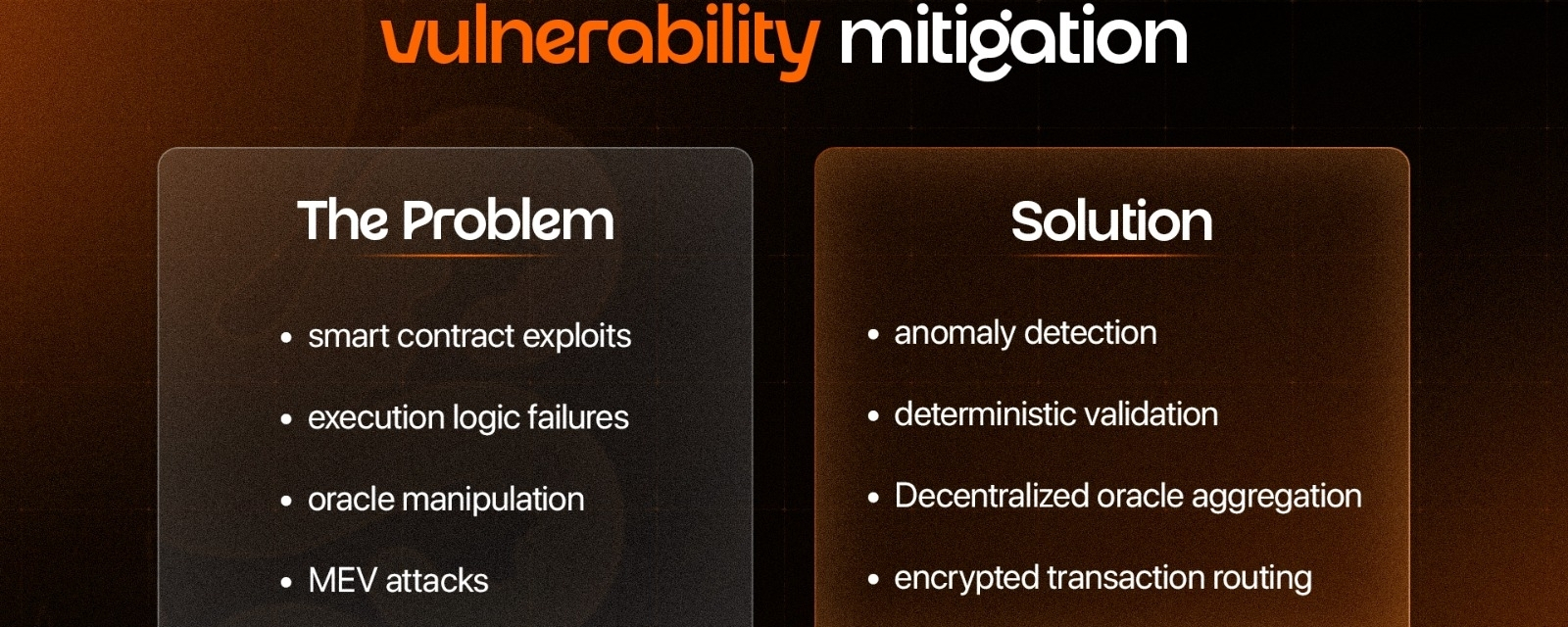
The problem is that our data is scattered everywhere.
Solution? OpenLedger's decentralized ledger approach. For example, if a supply chain company uses their protocol, every physical item's movement is tracked on-chain, eliminating chances of fraud. This is not just coding; it brings efficiency to business processes.
Conclusion
In my view, hype cycles will keep coming and going, but only those projects that attract real builders will survive. Looking at recent GitHub activity and ecosystem participation, it seems that development is genuinely active. My tip is to stay away from hype and just keep an eye on their Mainnet performance and developer adoption. If traction is shown here, then understand that this project is not just for token price, but for the future of the digital economy.
Hype is just noise, but when the code speaks, that's the real symphony.