

Just checked out a tx chain on Solscan, watching those MEV bots tear each other apart and drain the liquidity from a small pool in just a few blocks—made me chuckle as I wondered who this financial future is really serving or if it’s just a playground for cold algorithms.
The crypto scene is just like that, raw and full of skepticism, making a guy like me, who's jaded by all those 'AI combined with blockchain' whitepapers, just want to dive into the technical docs to see what they really say—not just a bunch of buzzwords like modular, zk, or restaking. Because when you peel back the layers of UI/UX, what you find underneath is still centralized somewhere, if not worse due to the lack of transparency.
A lot of folks think that just throwing AI into Web3 will automatically boost the TVL and expand the user base, but real data shows that most of it is just narratives for token printing, a 'pipe dream' for end users to farm points, while the toughest part is making sure AI doesn’t spew nonsense when users ask for actual on-chain data and then just ignores it.
The hitch here is that even the largest AI models, including the best LLMs, still suffer from hallucination, meaning they fabricate information, especially when data is changing every second like in crypto, making the use of AI for investment advice or on-chain analysis extremely risky. So the idea of Retrieval-Augmented Generation (RAG) sounds simple but is actually the key that I think OpenLedger is using very practically.
Peeling back the hype, RAG is essentially about designing a pipeline where AI queries reliable external data sources before compiling answers, meaning you’re giving AI a library to reference instead of just rote learning. That’s the real pain point that Web3 needs for AI to provide evidence-based responses.
But the crucial part is where that library resides and who manages it. In Web2, it’s all centralized, while in Web3, OpenLedger is striving to decentralize that very knowledge base, turning data into an on-chain asset that anyone can contribute to and benefit from, a secret weapon to ensure their AI never spews nonsense because it’s always grounded in actual evidence validated by the network.
Broader picture, the AI narrative here isn’t just about token printing anymore; it’s a real challenge of building a decentralized Layer-2 AI, where data, models, and compute are run by a network of nodes, and RAG is the bridge to ensure that complex Web3 data can be accurately consumed by AI without any central controlling entity.
Many think decentralized compute for AI is far-fetched due to poor performance, but the reality is we’re fooling ourselves into thinking we need to decentralize everything; the biggest challenge is balancing the need for performance that meets actual user demands for quick answers while maintaining decentralization at the data and model layers to ensure AI isn’t manipulated by a few big players.
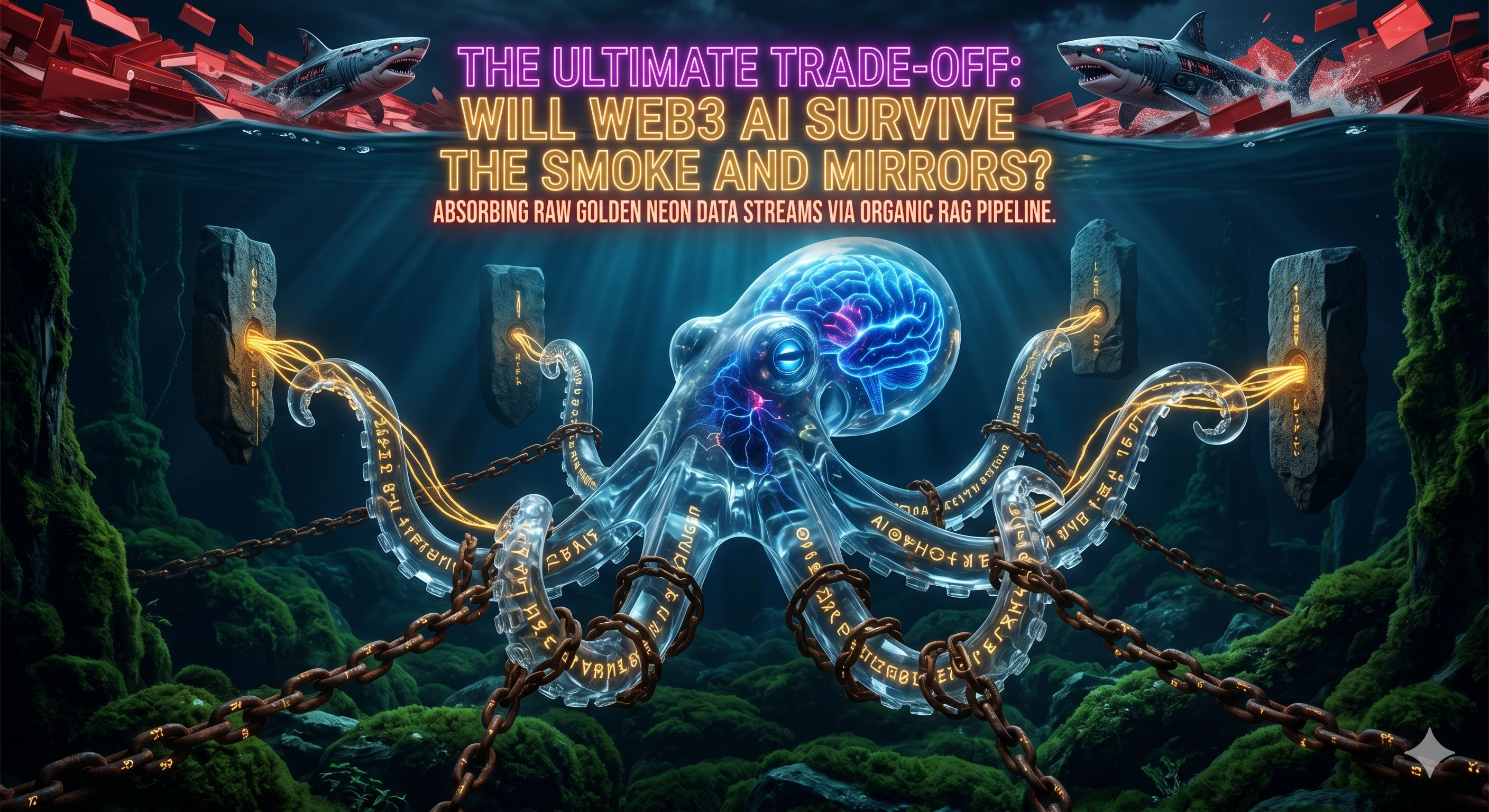
The trade-offs here are intense: Performance vs. Decentralization, Security vs. Data Liquidity, VC interests vs. Retail. OpenLedger's decentralized RAG path is forcing us to confront these trade-offs because you can’t demand a 100% decentralized AI model to run as fast as Web2. But if we’re willing to sacrifice a bit of performance for a transparent, accurate AI ecosystem where users truly own their knowledge, then that’s a target worth striving for.
Anyway, looking at the mess of narratives around modular restaking or DePIN out there that are pumping out tokens, that feeling of fatigue is still there.
I wonder if the decentralized RAG from OpenLedger is genuinely a secret weapon to help AI in Web3 step out of the lab, or is it just a more sophisticated pipe dream for another pump-dump cycle, with the lurking risks of Layer-2 smart contracts and the uncertainty of data-providing nodes still glaringly present...
It’s an open question that might need the raw crypto vibes to peel back the layers once more before we get a clear answer.
@OpenLedger #OpenLedger $OPEN