
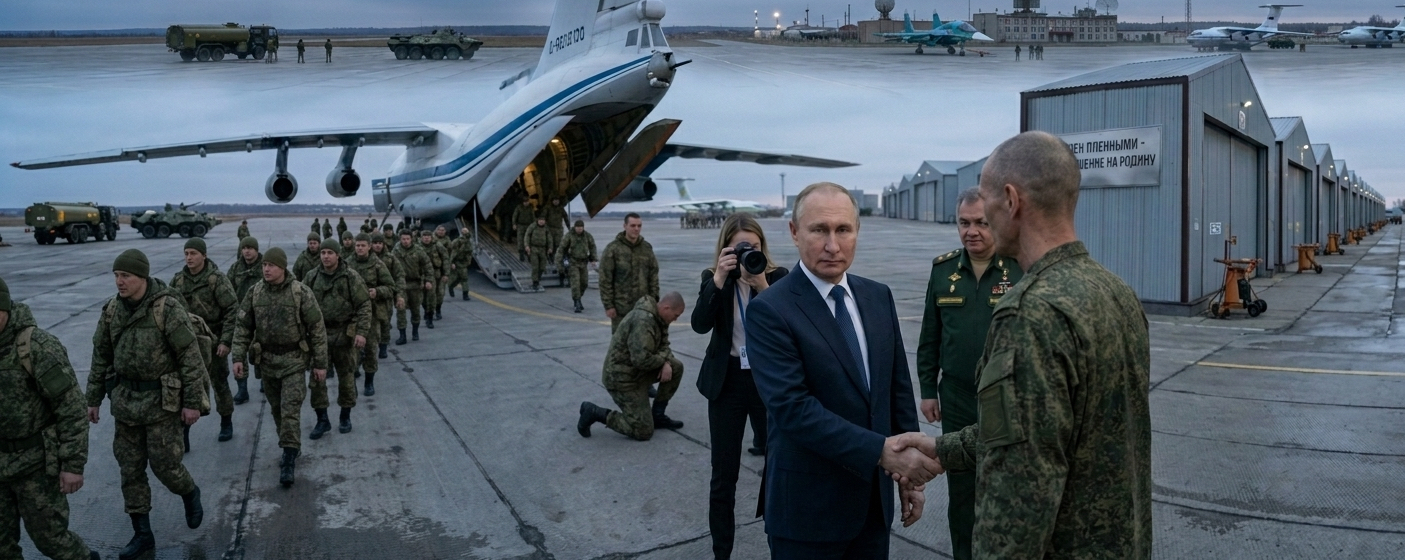
The recent exchange of 150 POWs between Russia and Ukraine on Belarusian territory aligns with the spotlight on the St. Petersburg Economic Forum, a venue where the financial costs of the prolonged international banking disconnect are being debated.
While these diplomatic advancements often temporarily ease risk premiums in traditional European markets, the real focus for the blockchain community is on the emergency financial flows operating behind the conflict borders.
In scenarios where traditional banking systems are blocked or sanctioned, cryptocurrencies and decentralized payment networks have proven to be vital tools for sending humanitarian aid, ensuring the survival of citizens, and mobilizing neutral capital.
This phenomenon highlights the intrinsic value of blockchain technology as a sovereign infrastructure that's free from political biases, operating continuously regardless of diplomatic tensions between powers. In the face of sanctions and economic blockades that we're witnessing today.
Do you think cryptocurrencies will completely replace traditional banking systems in future negotiations and international trade agreements?
#NasdaqWorstDayInOverAYear #Russian $BTC

