
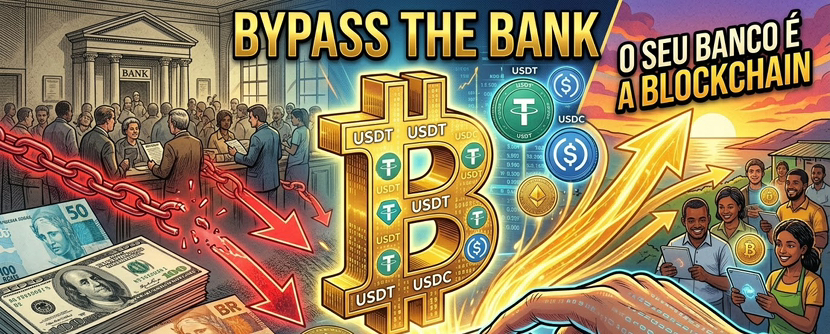
While a lot of folks are still debating crypto by just staring at price charts and volatility, there's a quiet revolution happening at the base of the global pyramid. Recent data shows that the overwhelming majority of users on Web3 platforms are in emerging markets. And the engine of this transformation has a name: stablecoins.
For those living in established economies, digital dollars might just seem like a trading tool. But for millions in developing countries, it's the only lifeline against inflation, weak currencies, and abusive or nonexistent banking systems.
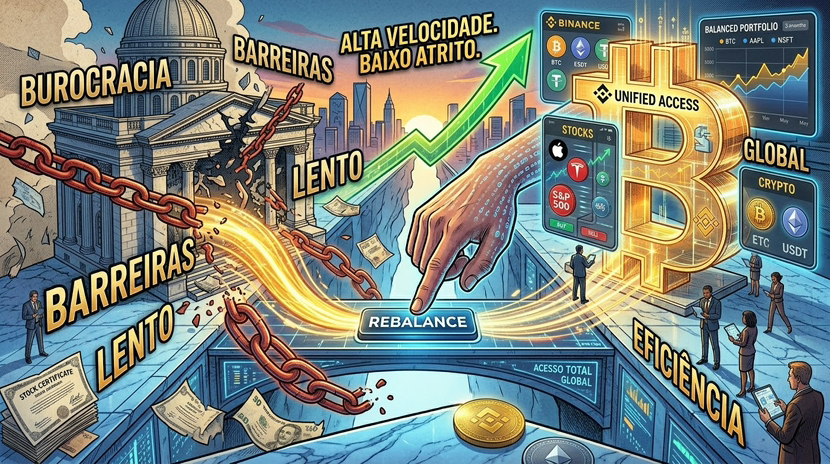
Real utility trumps the narrative:
Practical Financial Inclusion: With just a smartphone and internet access, anyone can transact globally. We’re talking about freelancers, service providers, and local small businesses that have gained access to a dollarized account without needing to ask for permission from any bank manager.
Business Infrastructure: For those operating in the ecosystem and needing predictable liquidity for day-to-day business, stablecoins (like USDT) have become the de facto standard for cross-border payments, remittances, and preserving purchasing power.
Money is changing form. Decentralized financial technology and global liquidity platforms are banking the world much faster than any traditional institution ever could.
Where the legacy system failed to provide access, blockchain delivered efficiency.