
THE BEARISH THESIS OF LEKKER CAPITAL
Quinn Thompson, the Chief Investment Officer at Lekker Capital, holds a firmly bearish stance on cryptocurrencies heading into summer. His analysis reveals that Bitcoin is flashing critical warning signs, caught between structural weaknesses in the ecosystem and an imminent global liquidity crisis driven by the AI sector.
📉 1. The Great Divergence: Bitcoin vs. Tech Giants
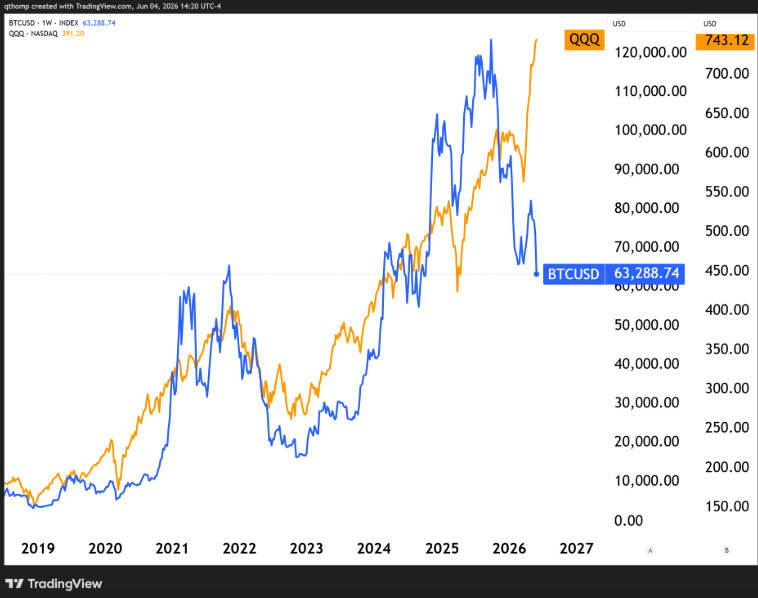
Underperformance: Despite the sustained strength on Wall Street, the crypto market is experiencing one of the largest divergences in recent history, lagging significantly behind tech stocks due to weakened liquidity and strong selling pressure.
Structural warning signs: Thompson argues that the digital asset market is facing three key unresolved challenges:
Current concerns over Digital Treasury Assets (DTA).
Doubts regarding Strategy's STRC preferred shares.
Ongoing fears about the risks posed by quantum computing to Bitcoin's security model.
🌪️ 2. The threat of AI: A liquidity leak of 'trillions of dollars'.
Lekker Capital's concerns extend beyond cryptocurrencies, anticipating a drastic shift in institutional capital flow.
The vacuum effect: Thompson warns that a wave of high-profile Initial Public Offerings (IPOs) in the tech sector (specifically from companies like SpaceX, Anthropic, and OpenAI) could soak up trillions of dollars in investor capital.
Capital flight: This massive competition for attention and money from investment funds will trigger a liquidity drought that directly impacts higher-risk assets like Bitcoin.
🧠 3. The cash flow trap in the tech sector.
The report highlights that the current traditional bull market isn't as healthy as it seems, showing a troubling leadership shift.
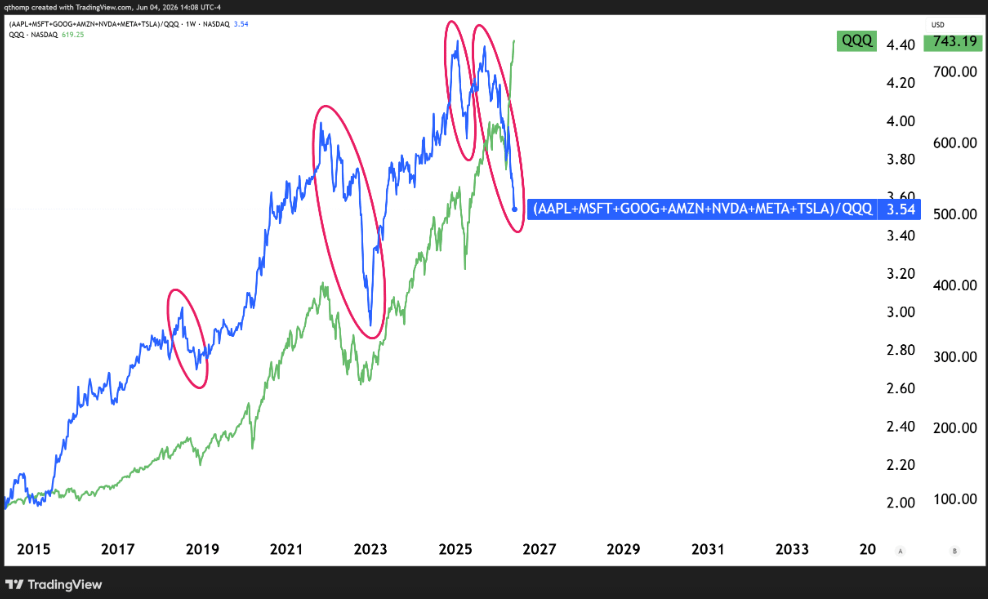
The Nasdaq misleads: Earnings are no longer driven by the so-called 'Magnificent Seven' (which are underperforming the overall index), but rather by companies in the AI supply chain and semiconductors.
The hyperscale dilemma: Big tech companies are facing a significant financial challenge. Their massive capital investment commitments in AI infrastructure are pressuring free cash flow, increasing debt levels, and reducing stock buybacks.
Critical crossroads: If the giants cut spending to safeguard their finances, they could jeopardize the semiconductor trade that underpins the tech sector; but if they keep spending, they risk their liquidity in an environment where new IPOs will further fragment the market.