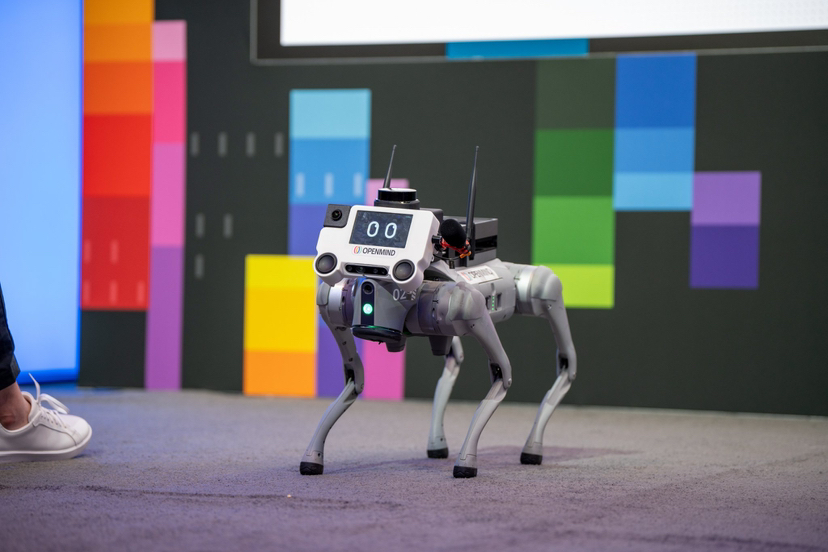
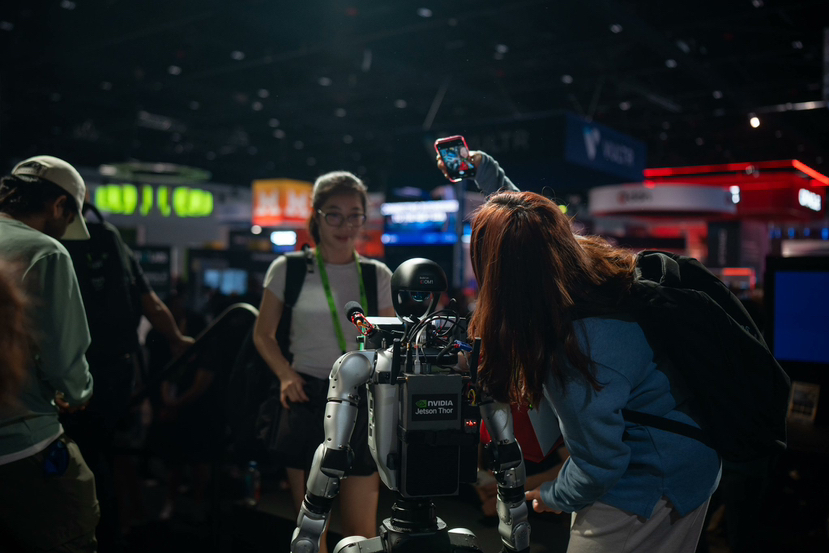
We've never been this close to a world where humans and machines coexist. Morgan Stanley predicts that by 2050, there will be over a billion humanoid robots on the job, with a market cap exceeding $5 trillion. This isn't just a product launch; it's a new species entering the workforce. The burning questions are: Who's building the bodies, who's reaping the profits, and when will it happen? We have four core arguments regarding where the opportunities lie.
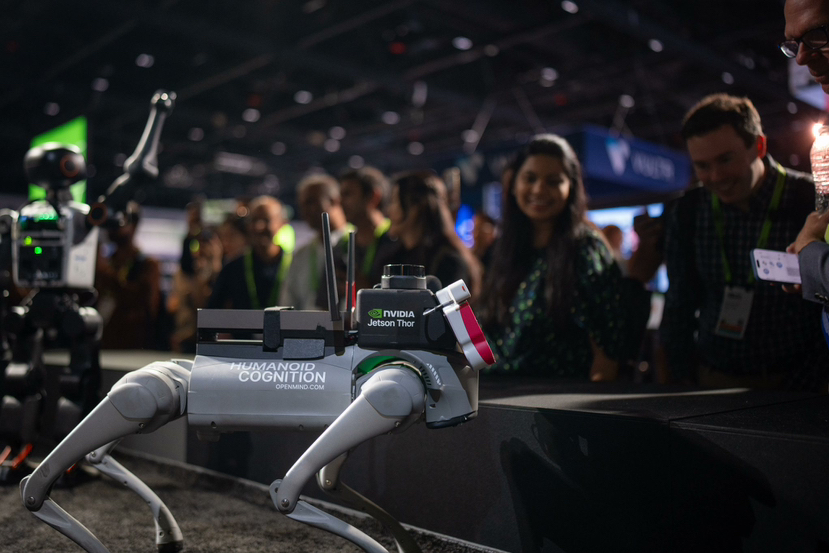
1. Humanoid robots are destined to be global citizens. The models and chips are from the U.S.; the motors, actuators, and assembly are global. No single country can independently deliver a humanoid robot. The resilience of cross-border supply chains and arbitrage isn't just a logistics issue; it's a strategic variable that determines a company's bargaining power, risk, and valuation multiples.
2. Before the robots hit the ground, the supply chain gets paid first. Humanoid robots are still training in labs while the component manufacturers are already confirming revenue. The gold diggers haven't found the gold yet; the shovel sellers get paid first, and shovels are rapidly decreasing in cost: Yuzhu's entry-level humanoid robot is dropping from 650,000 yuan in 2023 to 39,900 yuan by early 2025. But when the investment cost gets halved, the reachable world doubles. This is a replay of the electric vehicle story.
3. The growth curve of humanoid robots isn't just a software play; it's private equity. Humanoid robots are a physical deployment, regardless of whether they have a general intelligence model on board. The right mental model is roll-up acquisitions: buy a factory or fulfillment center, use a combo of robots and machines to refine ROI, and rely on operational compounding for growth. They're not scaling like apps; they expand like traditional industries, site by site, shift by shift. The winner won't be the one with the flashiest demo, but the one with the deepest vertical penetration and the strongest ground operation team.
4. Geopolitical isolation has created a time lag between facts and their impacts. The demand for remote control headsets and data gloves in Chinese factories emerged ahead of the funding frenzy for data labeling startups in San Francisco. Now, data factories in India and Southeast Asia are expanding at lightning speed. The facts are already laid out on tables in Shenzhen and Hanoi; their impacts haven't been fully priced in by Dune Road and Wall Street.