
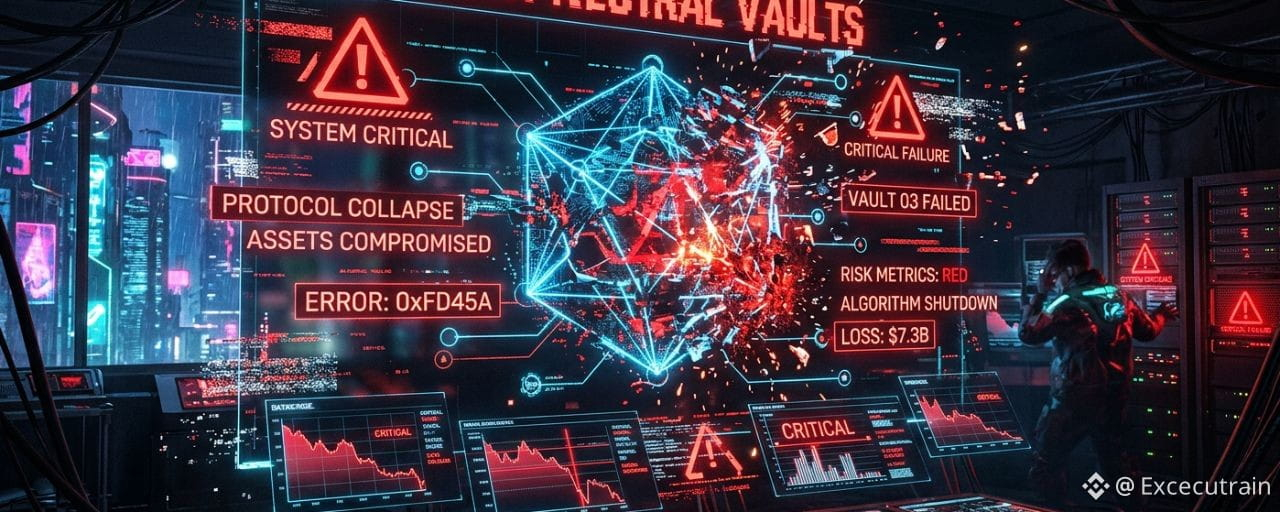
What happens if Bedrock's 'delta-neutral vault' protocol fails?
If a 'delta-neutral vault' protocol like Bedrock fails, the direct consequences for the user are:
Capital Loss (Depeg or Collapse): The value of the representative token (or the deposited BTC) drops drastically, causing the user to lose part or all of their investment, regardless of whether Bitcoin's price went up or down.
Withdrawal Issues (Withdrawal Pause): Protocols often automatically pause withdrawals when they detect insolvency or attacks, leaving money stuck indefinitely while investigations are ongoing.
Counterparty and Oracle Risk: If the strategy fails because the 'oracles' (price data sources) are manipulated or the liquidity provider (the counterparty) goes bust, the protocol can't cover the losses incurred from hedging trades.
No Guarantee of 'Delta Neutral': The strategy assumes that gains on one side will offset losses on the other. If the correlation breaks (e.g., a 'depeg' in the stablecoin used for hedging), the protection vanishes, and the user bears the net loss.
In a nutshell: The promise of 'risk-neutral' is a mathematical simulation, not a guarantee. If there's a bug in the code, the strategy is unworkable, or the liquidity provider fails, the user loses their funds without anyone to compensate them, as these protocols are, by definition, non-custodial and lack centralized insurance.