The perception of a weakened dollar and Donald Trump's diplomatic turns with Iran respond to complex dynamics that combine financial pressures, war costs, and propaganda strategies from both sides.
## 1. Why has the dollar continued to drop?
The recent depreciation of the US dollar (which has seen significant drops against a basket of major currencies like the euro and yen) isn't due to a single factor, but rather a buildup of macroeconomic pressures:
* **Interest Rate Cuts:** The Federal Reserve (Fed) has maintained a trend of easing and rate cuts due to the slowdown in growth in the U.S. and moderating inflation. Lowering rates decreases the yield on dollar assets, making them less attractive to international investors.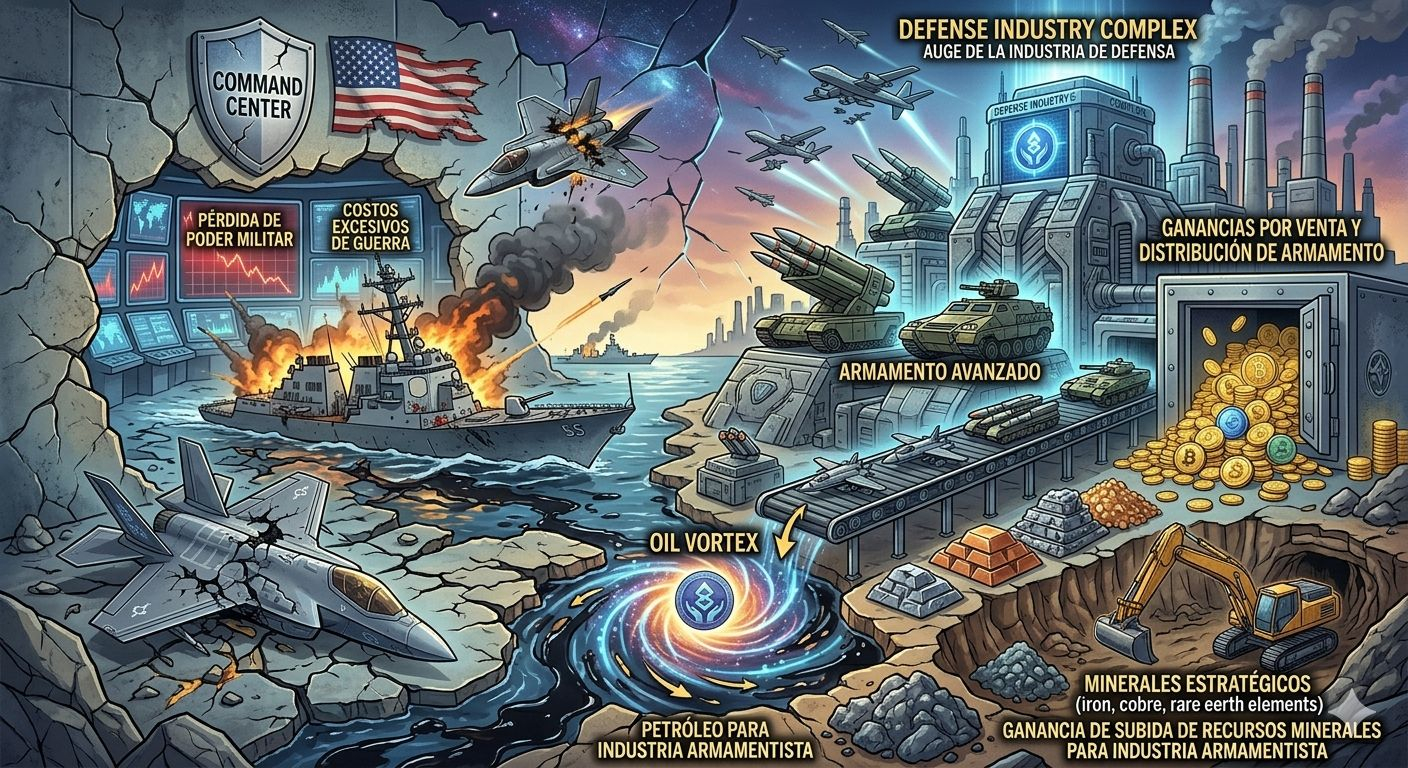
* **Labor and Policy Uncertainty:** Doubts about the direction of the U.S. labor market and changing expectations surrounding the trade and tariff policy of the Trump administration have generated volatility and a bearish reassessment of the fundamental outlook for the greenback.
* **Costs of Geopolitical Conflict:** Maintaining fronts of international tension and military interventions generates massive fiscal wear, weakening investors' confidence in the long-term financial stability of the American power.
## 2. The U.S. - Iran Agreement: Disguised Peace or Calculated Strategy?
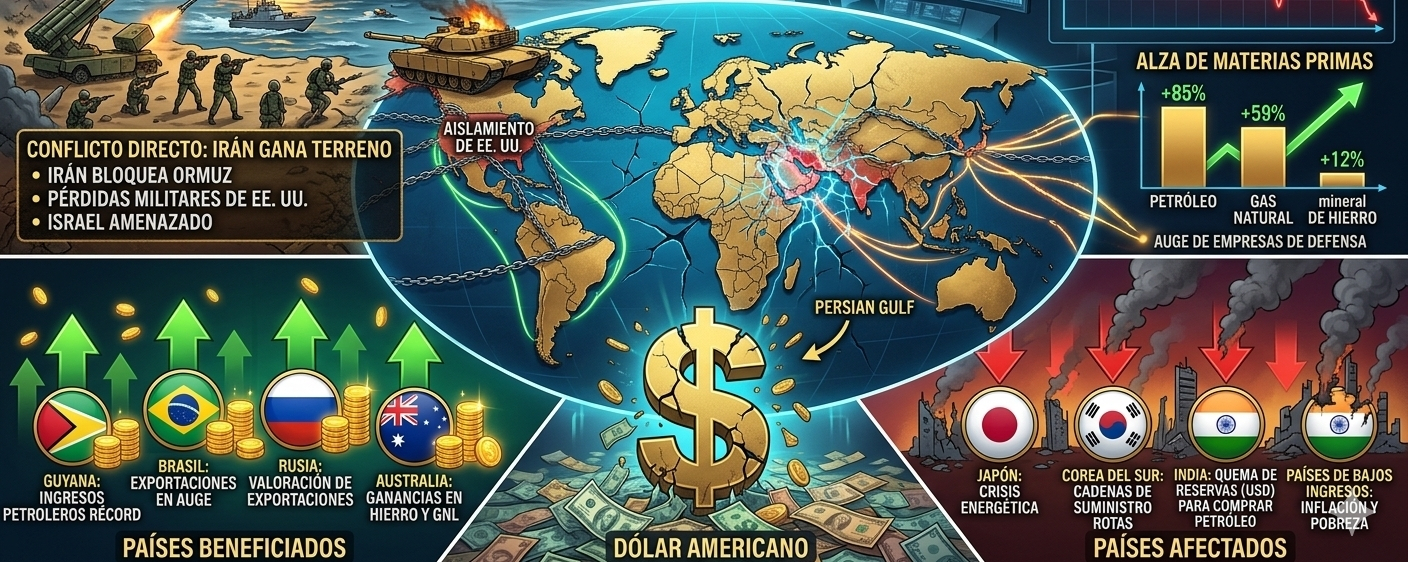
The military conflict that erupted at the beginning of the year has escalated to an unsustainable point of wear for the global economy, mainly due to the **closure of the Strait of Hormuz** by Iran, which blocked almost one-fifth of the global supply of oil and gas, skyrocketing energy prices.
Donald Trump, who initially demanded Iran's "unconditional surrender," has had to drastically change his aggressive rhetoric to a rapid diplomatic path. However, the narrative of who "lost" or who "bowed" depends on the lens through which it is viewed, as both governments try to sell the pact as an absolute victory.
### Iran's Stance (The Resistance Narrative)
Iranian media and negotiators promote that the agreement is a triumph because it forced the U.S. to lift the naval blockade and includes discussions for suspending oil sanctions and unfreezing about $24 billion in foreign assets. For Tehran, resisting the war campaign forced Washington to negotiate under more pragmatic terms.
### Trump's Stance (The Disarmament Narrative)
For its part, the White House rejects the versions circulated by Iran suggesting that the U.S. made "weak concessions." Trump asserts that the definitive agreement (a draft that has been on the table for signing) seeks the **total dismantling of Iran's nuclear program** and the elimination of its enriched uranium reserves, extending the ceasefire by 60 days to force these terms. Trump's argument is that economic and military pressure bent Iran's intention to possess nuclear weapons.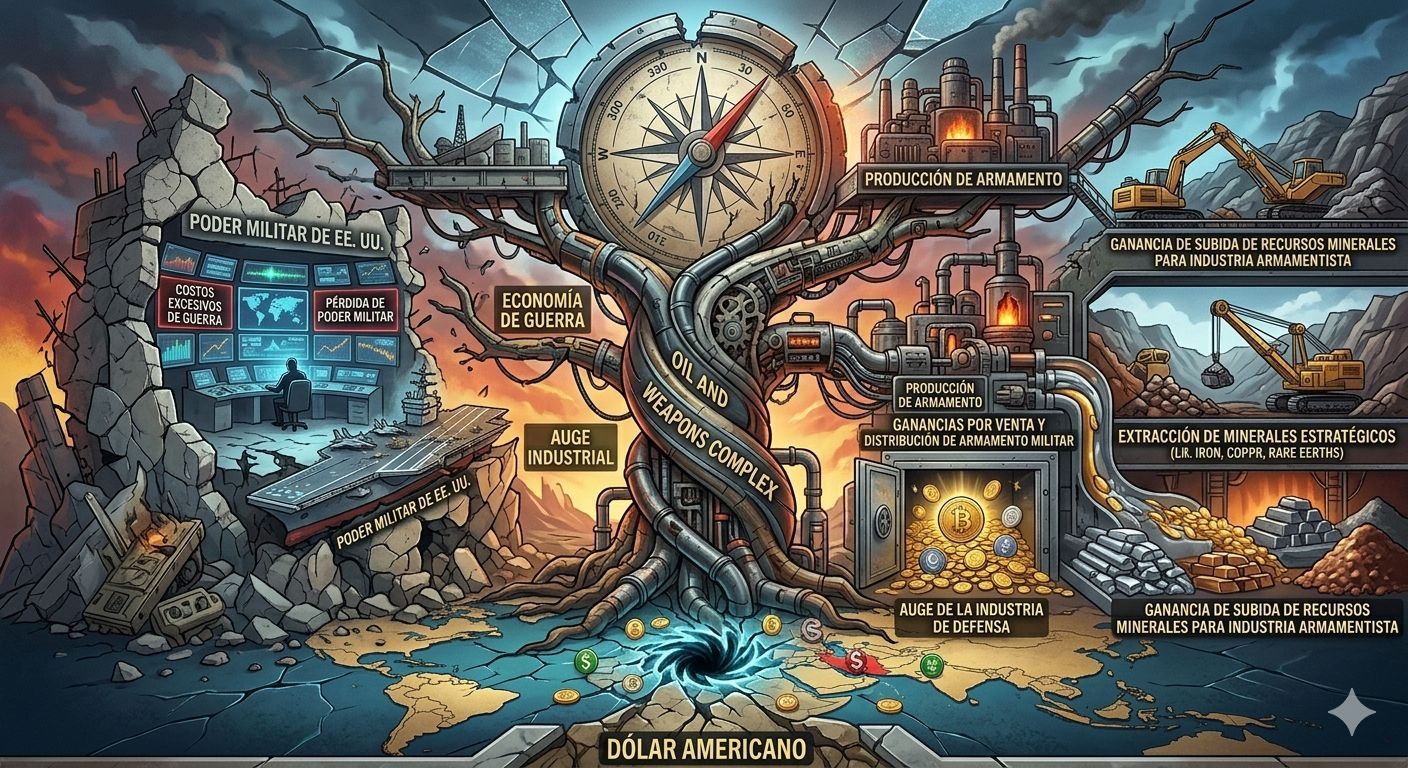
> **Current State of the Board:** Although Trump optimistically announced that the definitive peace agreement would be signed immediately to open the Strait of Hormuz, tensions remain at their peak. Iranian negotiators warned that "it makes no sense" to advance in the agreements if the U.S. does not halt the military actions of its ally Israel in the region (like the recent bombings in Beirut), demonstrating that peace still hangs by a very thin thread.
Looking at it coldly from the perspective of **strategic wear and initial objectives**, there are compelling arguments to support that the United States and the Donald Trump administration ended up yielding in their position of strength.
If we analyze how this conflict started in February and how it is closing now, in June 2026, the balance of "gains and losses" clearly shows a retreat in the U.S. stance:
### 1. The Collapse of the "Unconditional Surrender" Rhetoric
At the onset of hostilities, Trump's rhetoric was stark: he stated on his social media that *"there would be no deal with Iran except for UNCONDITIONAL SURRENDER"* and threatened to *"bring them back to the Stone Age"* through massive bombings if they did not reopen the Strait of Hormuz on his terms. Shifting from that extreme stance to sitting in Islamabad to negotiate a peace draft that includes lifting the naval blockade and returning billions in frozen assets is, by definition, a diplomatic retreat forced by reality.
### 2. Iran's Asymmetric Weapon: Energy Strangulation
The U.S. and Israel underestimated Tehran's asymmetric response capabilities. By completely blocking the Strait of Hormuz through naval mines, attacks from the Revolutionary Guard, and drones, Iran paralyzed the transit of nearly 20% of global oil and gas from the region, unleashing the largest energy supply crisis globally since the 1970s.
This unbearable economic pressure (which spiked global inflation and hit the dollar directly) was the true factor that "brought down" Washington's military strategy. The Pentagon realized it could not keep the strait safely open through arms without causing a global financial collapse.
### 3. The concessions on the negotiation table
The draft proposed by the White House to achieve stability reflects that they had to yield crucial ground:
* **Access to Funds:** The agreement contemplates unlocking up to **$12 billion dollars** (and there’s even talk of tranches of up to $24 billion) in Iranian assets held abroad, something the Trump administration opposed radically.
* **The Order of Factors:** Initially, the U.S. demanded the total dismantling of Iran's nuclear program *before* lifting any sanctions. In the current scheme, the ceasefire and the opening of trade routes are prioritized, leaving complex nuclear discussions for a later 60-day phase.
### The Reading of Victory
For these reasons, the Ministry of Foreign Affairs in Tehran has internally sold the negotiations as a **historic triumph of resistance**, arguing that they forced the world's largest military superpower to halt its campaign and lift the economic siege without having destroyed its political structure or its regional alliances in Lebanon or Yemen.
Although the White House tries to dress up the pact as a "disarmament strategy," on the board of real geopolitics, when a superpower initiates a war demanding total capitulation and ends up signing an armistice with financial concessions, the political cost and perception of defeat remain on Washington's side.
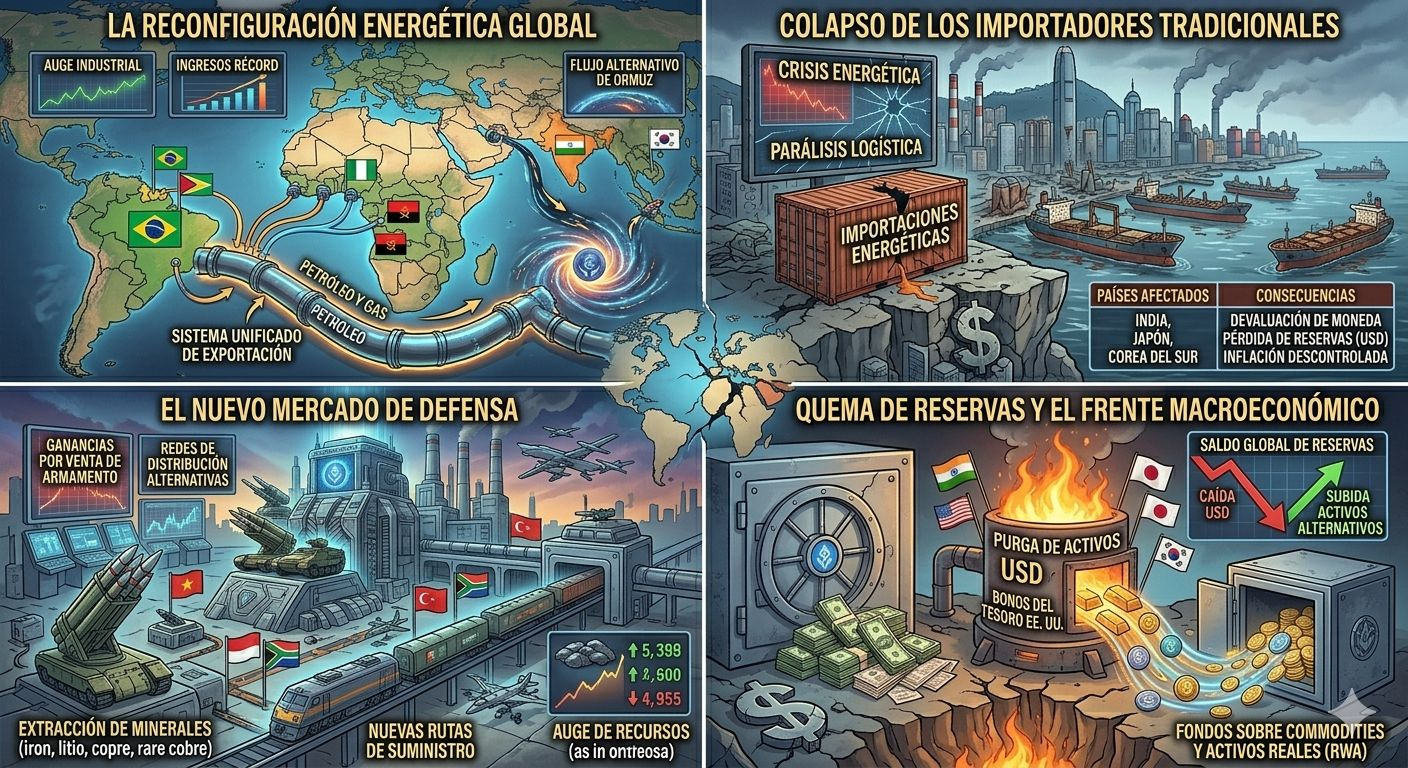
The closure of the Strait of Hormuz has caused one of the largest economic shocks and wealth redistribution events in recent history, acting as a funnel that sucked liquidity from importing countries to transfer it directly to producing economies outside the conflict zone.
## 1. The Big Winners: Soaring Economies
With the Persian Gulf blocked (affecting 20% of the global crude supply), the price of Brent and WTI crude skyrocketed quickly above $90 and $100 dollars, massively benefiting oil and mineral producers outside the chokepoint:
### Benefited Oil Exporters
* **Guyana:** It has been the clearest winner in the hemisphere. With its booming production hitting 900,000 barrels per day and almost zero domestic consumption, its sovereign funds recorded historic multibillion-dollar revenues by selling crude at war-inflated prices.
* **Brazil:** Surpassed 4 million barrels per day thanks to new platforms (FPSO) and redirected its production towards lucrative Asian markets that previously depended on the Middle East.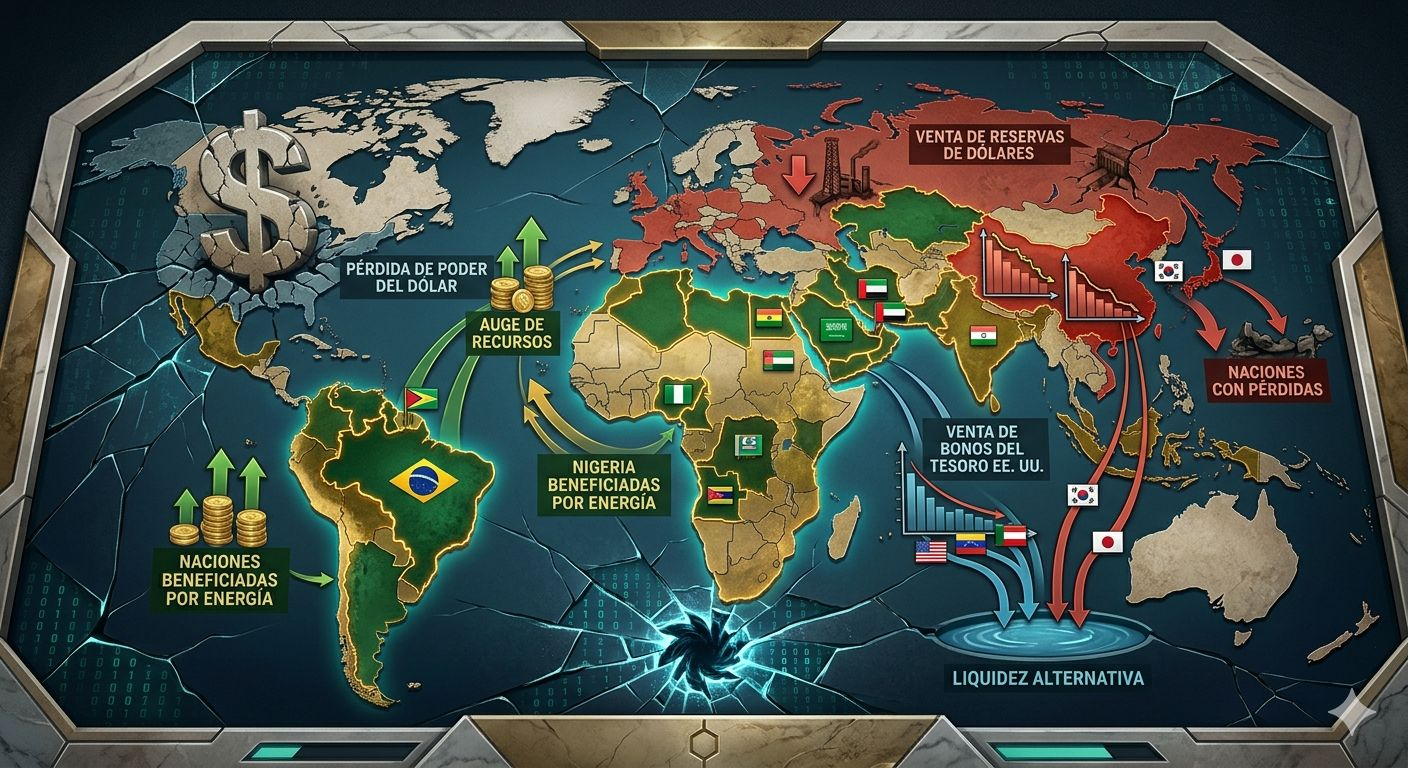
* **United States (Private Producers):** Although the government suffered the political blow, American energy corporations in the Permian Basin accelerated the fracturing of already drilled wells to sell oil and liquefied natural gas (LNG) to Europe and Asia at record prices.
* **Russia and Venezuela:** The spike in global price floors inflated the value of their exports. In the case of Venezuela, despite the sanctions, the valuation of its production (over 1.2 million bpd) saw relief in net fiscal revenues.
### Armament Companies and the Rise of Iron
Iron ore rose over 12% driven by military industrial reactivation.
* **Australia and Brazil:** As the largest global exporters of high-grade iron ore, their mining corporations experienced a gigantic trade surplus due to the insatiable demand from steel mills supplying defense firms (like *Lockheed Martin, Raytheon, or General Dynamics*) and Asian companies to replenish stockpiles of heavy ammunition, armor, and missiles.
## 2. The Affected Countries and the "Burning" of Reserves
On the flip side, countries dependent on energy and raw material imports immediately suffered one of the worst inflationary waves.
### The Most Affected
* **Industrial Economies of Asia (Japan, South Korea, and India):** They are the most geographically exposed to Hormuz. They had to halt petrochemical plants, cut commercial flights due to a 120% spike in jet fuel costs, and absorb massive losses in their supply chains.
* **Western Europe:** Already hit by previous energy crises, saw natural gas in its reference market (TTF) spike 59% in one go, raising electricity costs and fertilizer production (sulfur rose 95% and urea 24%).
* **Low-Income Countries (Nicaragua, Haiti, and Sub-Saharan nations):** Without their own production or fiscal cushion, the skyrocketing shipping and fuel costs wrecked their national budgets, skyrocketing local poverty.
### Who had to sell dollar reserves?
To prevent their local currencies from completely devaluing against the gigantic oil bill, several central banks were forced to **burn (sell) their international dollar reserves** or issue emergency resources:
* **United States (Strategic Sale):** The American administration had to execute the largest intervention in its history, releasing **400 million barrels of oil from its Strategic Petroleum Reserve (SPR)** to flood the international market in a desperate attempt to curb rising gasoline prices in its cities, weakening its national security inventories.
* **Asian Central Banks (India and Japan):** Repeatedly intervened in forensic markets selling billions of their reserves in U.S. Treasury bonds to buy their own currencies (Rupee and Yen) and defend them from depreciation against the dollar, preventing imported inflation from oil prices from destroying their domestic purchasing power.
#iran #EEUU #OilMarket #DonaldTrump #ormuz $CL $NATGAS $XAG