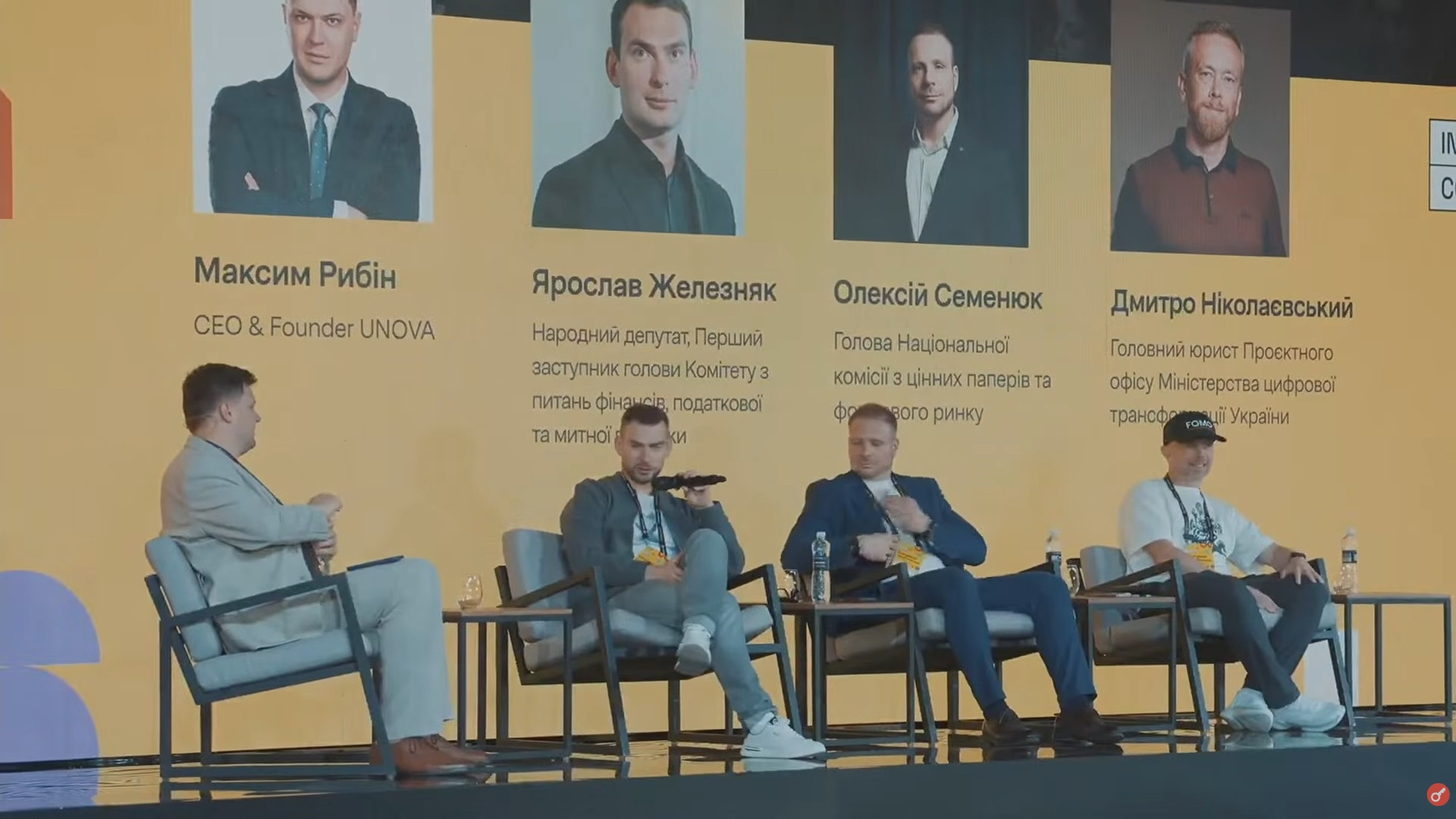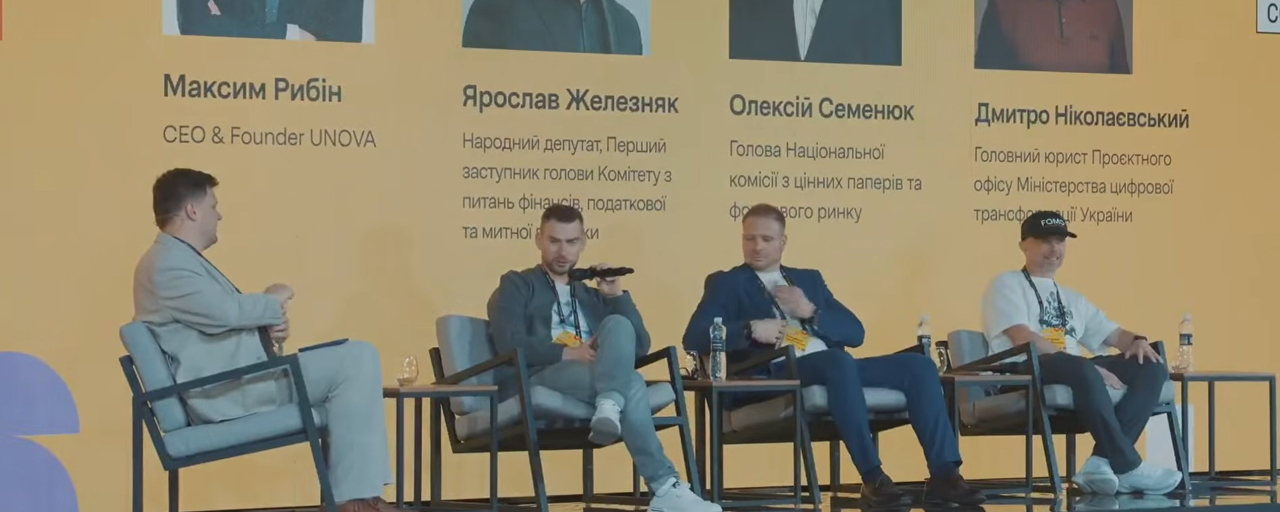
Recently, the Incrypted Conference 2026 took place, featuring a ton of interesting topics and some awesome speakers. But I want to focus on the subject of virtual asset regulation and give you a quick rundown.
The status of virtual asset regulation in Ukraine as of 2026 is in a phase of active unblocking and finalizing the legislative framework.
Key aspects:
Current state and timelines
The process of preparing legislation has significantly accelerated due to the update of the leadership of the National Securities and Stock Market Commission (NSSMC).
The final text of the law is expected to be ready by August 2026, and the law itself may fully come into effect on January 1, 2027.
Currently, the stage of processing thousands of amendments has been completed, and only technical and political points regarding the distribution of powers remain.
Distribution of regulatory powers:
🔸NSSMC (National Securities and Stock Market Commission): Becomes the main regulator of the virtual assets market. The Commission has already created a separate Department of Virtual Assets. It will be responsible for most assets, except for money tokens.
🔸National Bank of Ukraine (NBU): Will regulate the Money Tokens (stablecoins) sector and issues related to banking activities and currency operations.
🔸MinDigit: Acts as the ideologue of the process, focusing on the development of the digital economy, but expresses concerns about possible excessive regulation.
Regulatory model (MiCA and Eurointegration):
Ukrainian legislation is implementing European MiCA standards. However, there's a debate about the "strictness" of these norms:
🔸There's a strategy for introducing transitional provisions. Some strict norms and penalties may be postponed until 2032 or until Ukraine actually joins the EU.
🔸The goal is to find a balance and not make regulation excessive, which could provoke business to export to offshore jurisdictions, while also ensuring transparency to prevent scams like FTX.
Expected outcomes for the market and users:
🔸Legalization of exchanges and cards: Users will be able to legally link their bank cards to exchange accounts. The law aims to put an end to the "barbaric" practice of banks blocking cards for crypto transactions.
🔸Protection from law enforcement: Creating a clear legal framework should protect businesses from unfounded pressure by law enforcement agencies.
🔸Tokenization of assets: Regulation will pave the way for the tokenization of real estate and private capital through DLT technology.
🔸Investment boost💵: While an immediate influx of cash is not expected, a transparent environment will make Ukraine attractive for big capital and foreign partners.
❗️Tax issue:
So far, the status of taxation remains a topic of discussion (5% or 18% depending on the final reading), but the key point is that the rules need to be clear for all participants.
So, in 2026, crypto in Ukraine says goodbye to the "wild west" and prepares for legalization.
Regulation of virtual assets is moving from theoretical discussions to the practical implementation of a regulated legal framework based on European standards while considering national business interests.
In my opinion, this is a good step because transparency is always cool. The main thing is not to "tighten the screws" 😅
We're watching ;)