
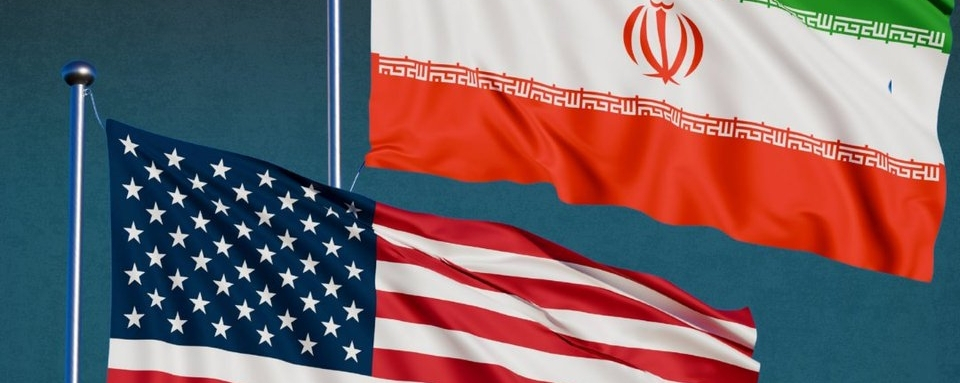
The United States and Iran have reached a major diplomatic breakthrough, agreeing to a memorandum of understanding aimed at ending more than 100 days of war that has destabilized the region and disrupted global energy markets. The deal, mediated by Pakistan and Qatar, is expected to be formally signed in Geneva on June 19. The agreement outlines a pathway toward a permanent ceasefire and signals a potential turning point in one of the most volatile geopolitical conflicts of 2026. Both sides have indicated cautious optimism, though many details remain subject to verification and further negotiation.
Donald Trump confirmed the agreement, stating that it includes the reopening of the strategically critical Strait of Hormuz, which had been under a de facto Iranian blockade. The reopening is expected to restore global shipping flows and ease pressure on energy markets following months of disruption. In parallel, Tehran confirmed that the United States would lift its naval blockade on Iranian ports, a move seen as essential for rebuilding trade and economic stability. The conflict originally erupted after joint US-Israeli strikes on Iran in late February, escalating tensions tied to Tehran’s nuclear programme.
The draft agreement reportedly includes a comprehensive ceasefire across all fronts, including conflict zones such as Lebanon. Iranian officials, including Deputy Foreign Minister Kazem Gharibabadi, have stated that military operations could end immediately, provided that US commitments are fulfilled. These commitments include sanctions relief, the release of frozen Iranian assets, and the withdrawal of US forces positioned around Iran. A 60-day negotiation window is also expected to follow, during which both sides will work toward a final and more detailed agreement.
Mediators have played a critical role in bringing both parties to the table. Pakistan’s Prime Minister Shehbaz Sharif was among the first to announce the deal, emphasizing a “permanent termination of military operations.” Qatar also welcomed the agreement, calling it a significant step toward regional stability and economic recovery. Additional regional players, including Saudi Arabia and Türkiye, were acknowledged for their contributions in facilitating dialogue and reducing tensions behind the scenes.
Despite the breakthrough, uncertainty remains around enforcement and long-term implications. Some elements of the reported agreement—such as the exclusion of Iran’s missile programme and regional alliances from negotiations—could present challenges in future discussions. Meanwhile, US officials, including Vice President JD Vance, have framed the deal as the beginning of a “new era” in the Middle East, with a strong emphasis on preventing Iran from developing nuclear weapons.
In the broader context, this agreement could have far-reaching implications beyond geopolitics. The reopening of the Strait of Hormuz alone may stabilize oil markets and reduce inflationary pressures globally. At the same time, the resolution of such a high-stakes conflict could restore investor confidence across both traditional and emerging markets. While the deal still requires formal signing and verification, it represents a significant خطوة toward de-escalation and a potential reshaping of regional dynamics in the Middle East.