
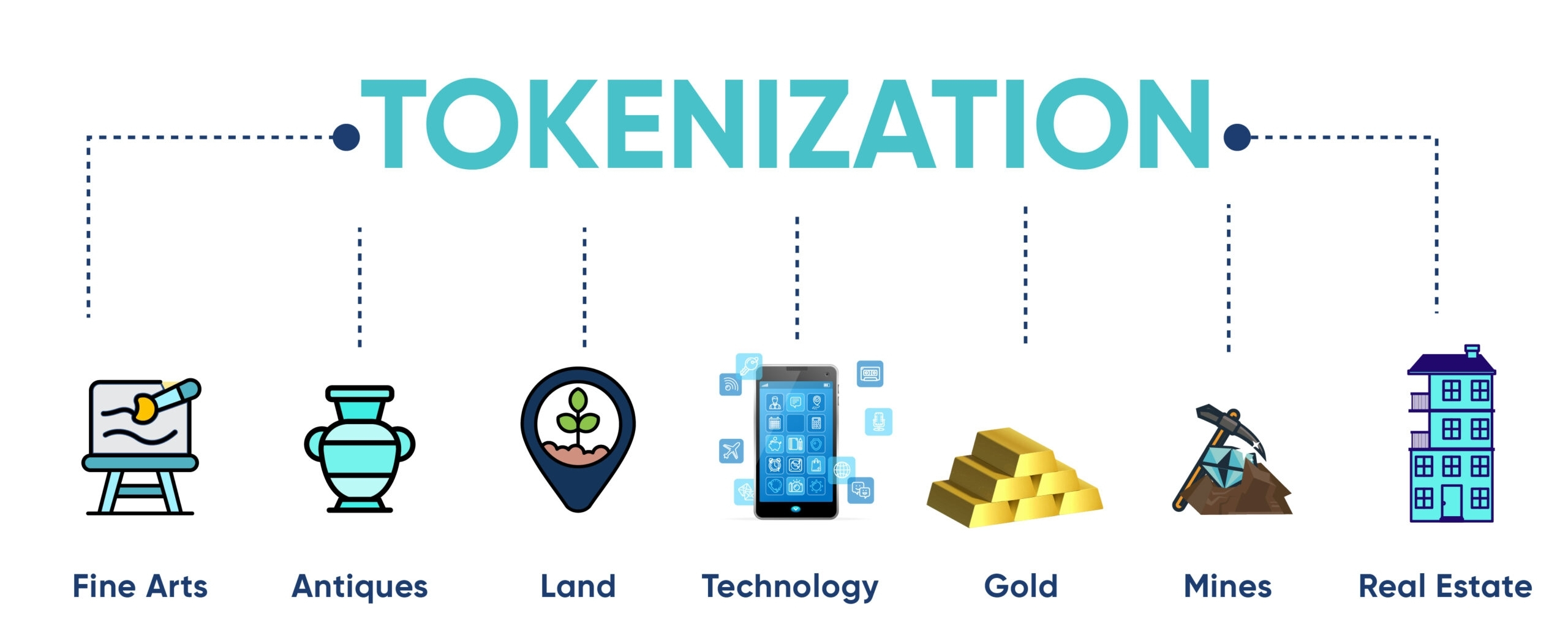
Tokenizing stocks is way more than just a "democratization of investment." Behind the accessibility arguments lie much deeper strategies. Here’s what most analysts never touch on.
1/ Instant Collateral — The Real Revolution for Institutions
On a Sunday at 3 AM, a bank can use tokenized stocks as collateral to cover its positions on derivatives.
✅ Real-time transfer via clearinghouse
✅ Immediate response to margin calls
✅ Zero T+2 delay
Real impact: reduces counterparty risk by 30 to 40% on committed capital. This isn’t a benefit for you — it’s a massive advantage for them.
2/ Cross-Chain Interoperability: The Invisible Ecosystem
Once tokenized, traditional assets become 'composable':
🔗 Usable on DEX, DeFi protocols, CeFi platforms
🔗 Integrable into yield farming, lending, and leverage
🔗 Reduced fees via on-chain optimization
What institutions are actually building: an ecosystem where their assets become liquid across the entire crypto space, not just on their usual markets.
3/ The Decoupling of Value/Vote: Who Really Controls?
When you buy a tokenized stock, you get:
✅ Economic exposure (financial performance)
❌ No voting rights decision-making
Translation: wealth is fragmented, power remains concentrated.
Companies democratize liquidity while maintaining strategic control. A balance that perfectly favors them.
4/ Dependency on Centralized Infrastructure
You don’t own the stock — you own a token issued by a platform.
The issuer controls:
⚠️ The 1:1 mapping with the underlying asset
⚠️ Trading suspension
⚠️ Transaction fees
⚠️ Regulatory compliance
Result: an infrastructure monopoly for players like Binance, Kraken, or xStocks. The more you use these tokens, the more you depend on their goodwill.
5/ The Silent Network Effect on the Crypto Ecosystem
Every tokenized stock that lives on-chain generates demand for:
📦 Storage tokens (Filecoin, Arweave)
⛽ Gas tokens (ETH, SOL)
🏗️ The blockchain infrastructure as a whole
Large institutions indirectly support the crypto ecosystem while integrating their assets. They have a vested interest in the blockchain working — and at a low cost.
⚠️ What to Keep in Mind
🔴 Not yet fully regulatory approved in many jurisdictions
🟡 Centralized/decentralized hybrid models = mixed risks
🔴 Real issuer risk if the issuance structure fails
💡 Conclusion
Tokenization of stocks is not a philanthropic myth.
It's an infrastructure where three players simultaneously win:
Retail investors → accessibility and liquidity
Institutions → real-time collateral, control, and DeFi interoperability
The crypto ecosystem → structural demand and network effects
Understanding who benefits from what is the first step to navigating this market intelligently.
Follow for regular analyses on deep trends in the crypto market.
💬 What aspect resonates with you the most? The decoupling of vote/value? The dependency on the issuer? Respond in the comments.