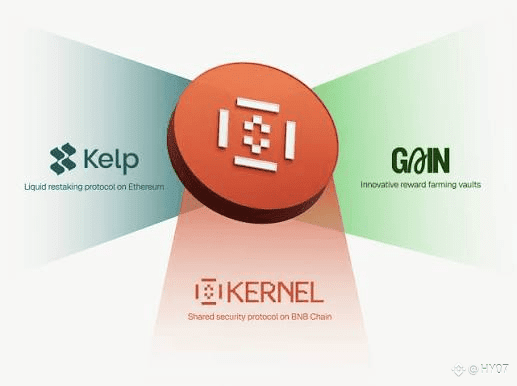
🛠️ What is KernelDAO (@KernelDAO ) — Story & Purpose
Several construction companies identified a problem with cryptocurrency operations because users must lock their assets (including ETH and BNB and other tokens) for blockchain security purposes. The system requires users to keep their funds locked for staking reward generation but prevents them from using these funds for other purposes. The system restricts users from making changes to their staked assets.
The team developed KernelDAO as their solution to address this problem. Kernel enables users to distribute their assets across multiple blockchain networks and validator systems and decentralized applications through its restaking functionality. Your tokens will remain valuable because they can generate additional earnings beyond the standard staking reward system.
🧩 How Kernel Actually Works $KERNEL
The Kernel platform handles all operations after users deposit their supported staking or liquid-staking tokens into the system. The system selects dependable validators while spreading your investment across multiple networks to achieve protection.
The pooled security system defends multiple services which include oracles and bridges and other dApps so new projects can avoid creating their own validator infrastructure. The process of deploying new crypto services becomes more accessible at reduced costs.
The system provides users with ongoing yield rewards and maintains their ability to move their assets while tokens remain available for immediate use. Your tokens remain liquid while you earn rewards from restaking instead of being locked in a specific location.
📅 A Bit of Kernel’s History
KernelDAO became officially operational as a multichain restaking protocol which started to gain popularity during 2024–2025.
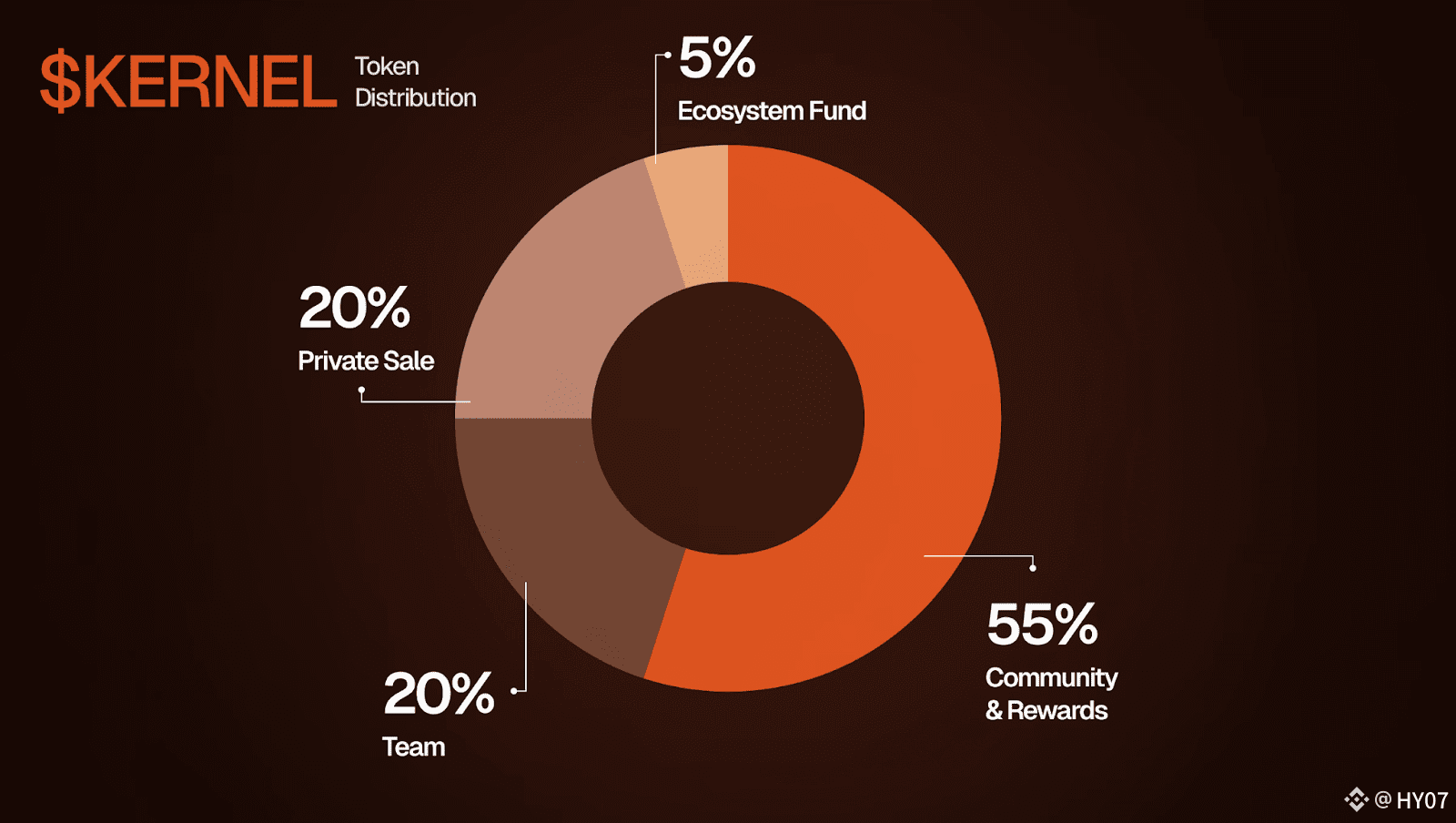
The native token KERNEL became available to the public when it launched in April 2025 with a total token supply of 1 billion units. The project reserved its tokens for three purposes which included rewarding early users and building up the ecosystem and providing benefits to the community.
KernelDAO gained immediate popularity which brought in numerous users and substantial market liquidity. The system operates across multiple blockchain networks because it provides users with selection choices while developers can use its security features.
🎯 The kernel serves an essential purpose because it acts as the core operating system component which determines system functionality.
More efficient staking: Kernel enables your assets to generate additional yield through work while you stake them because your assets remain available for trading.
Project security sharing: Small new projects can use Kernel's pooled security system instead of creating their own validators. The combination of these two elements reduces expenses while enabling faster development of cryptocurrency technologies.
Decentralized and fair: The distribution of stakes across multiple validators and users in Kernel works to decentralize power while minimizing the potential for centralization or system-wide failures.
Users can enjoy staking advantages through this system which provides them with selection options for their investments without compromising their ability to access funds or maintain market liquidity.
✅ What to Watch
The Kernel system exists in its early stages of development. The system will achieve success based on the number of users and validators who join along with the projects that participate in the network.
The growth of adoption would make Kernel function as a fundamental security system which multiple DeFi applications could use for their needs of security protection without establishing their own validator networks.
Kernel provides users with a tool to simplify staking and restaking operations through its efficient and adaptable system.