Imagine that.
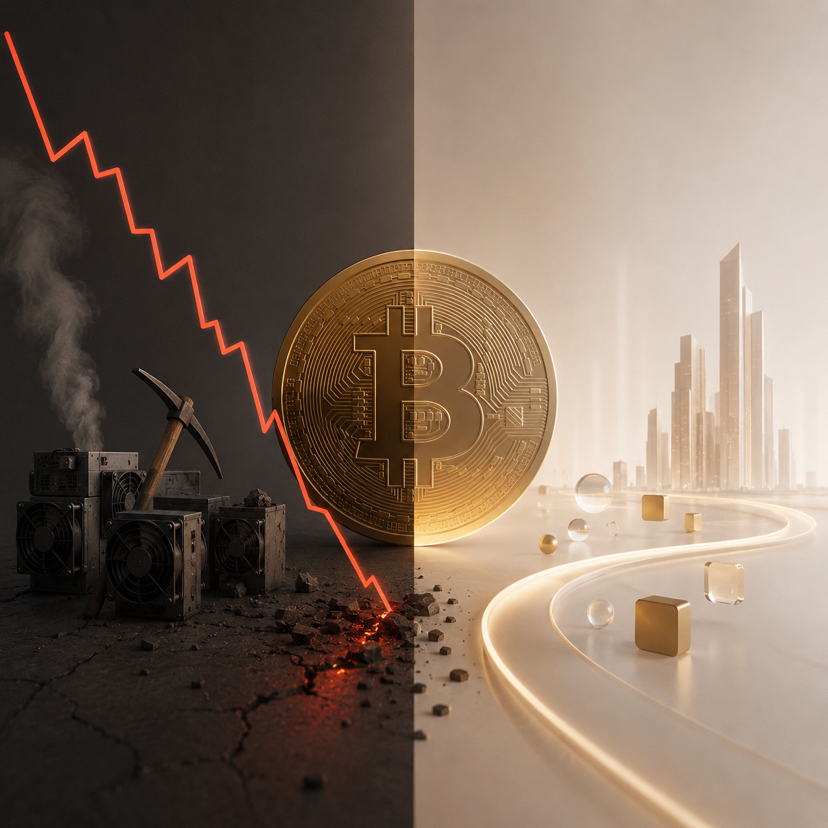
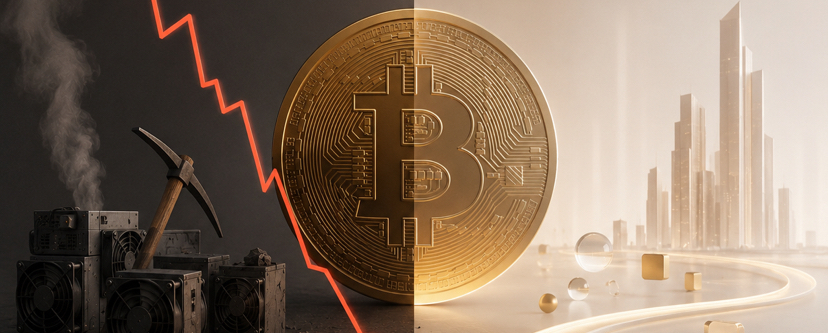
You're spending around $78,000 to mine a single Bitcoin.
But the market is only valuing it at $62,500.
Every new coin is bringing losses.
This is exactly the situation that part of the mining industry is facing right now.
According to JPMorgan, Bitcoin has been trading below its average mining cost for about five months now.
About 20% of miners are operating at a loss.
To cover expenses, public mining companies sold over 32,000 BTC just in the first quarter of 2026.
That's more than the entire year of 2025.
When mining becomes unprofitable:
👉 some miners are shutting down their rigs
👉 hashrate is dropping
👉 network difficulty is falling
This is exactly what the market is watching right now.
But there's a more interesting question.
What if the main trend in the crypto market is no longer mining?
While one part of the market depends on Bitcoin's price,
another builds infrastructure that will operate independently of the next market cycle.
Today, more attention is being paid to:
🌍 stablecoins
🌍 on-chain payments
🌍 digital banking
🌍 global financial infrastructure
The crypto industry is gradually shifting from speculation to real-world applications.
That's why projects like WeFi are emerging.
Not just another token.
👉 What about the infrastructure that combines cryptocurrencies, fiat, cards, and global payments in one system?
The biggest changes often start unnoticed.
And then they become the new norm.
👉 What do you think will be the main driver of the next phase of the crypto market: Bitcoin or the infrastructure being built around it?
Subscribe to stay updated on the key changes in the crypto world and on-chain finance 👀
#Bitcoin #Crypto #Web3 #DeFi