
Now with Waller coming in, this could be the toughest one yet. The chances of a rate hike skyrocketed in September. Don’t believe me? Let me break it down for you.
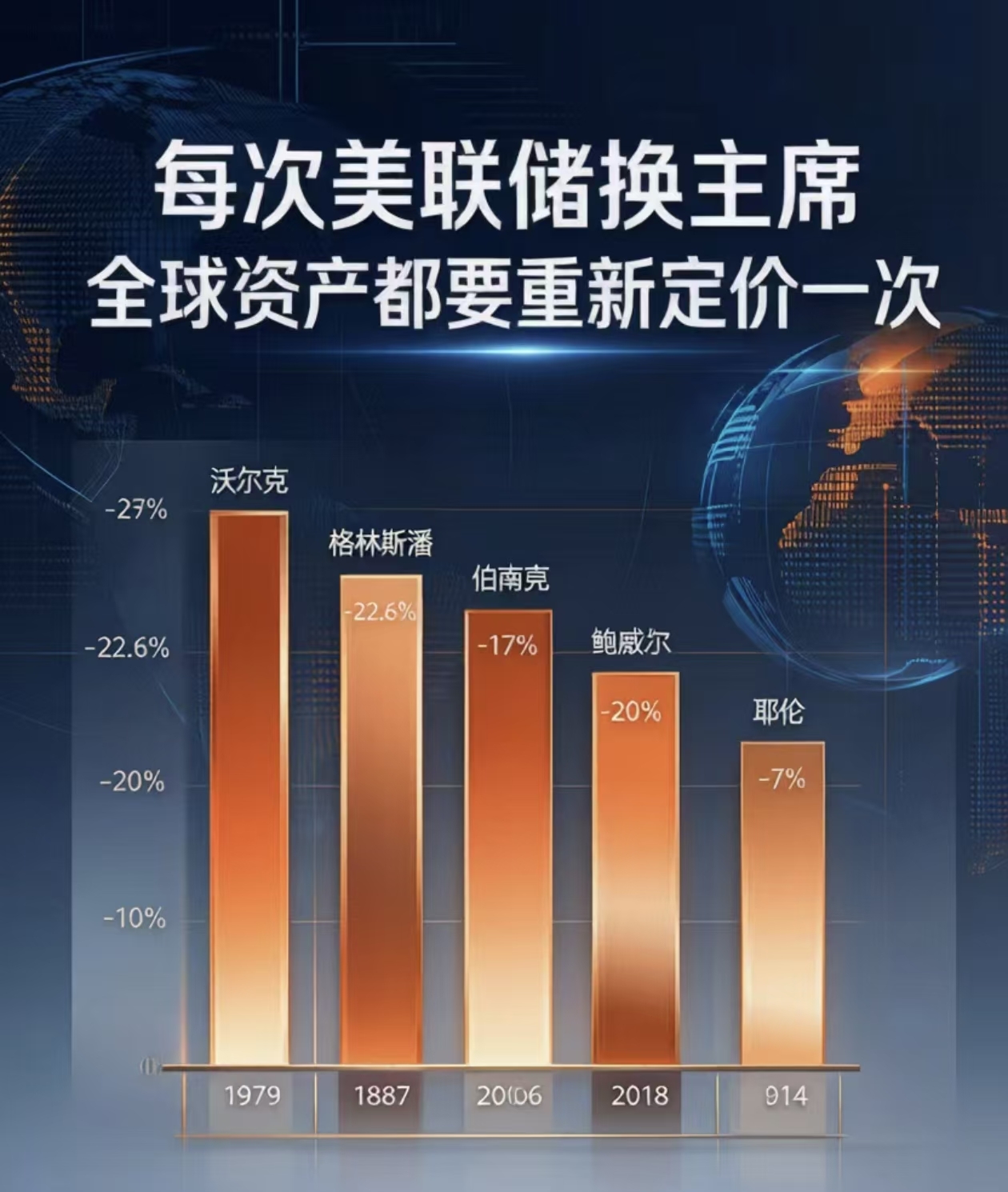
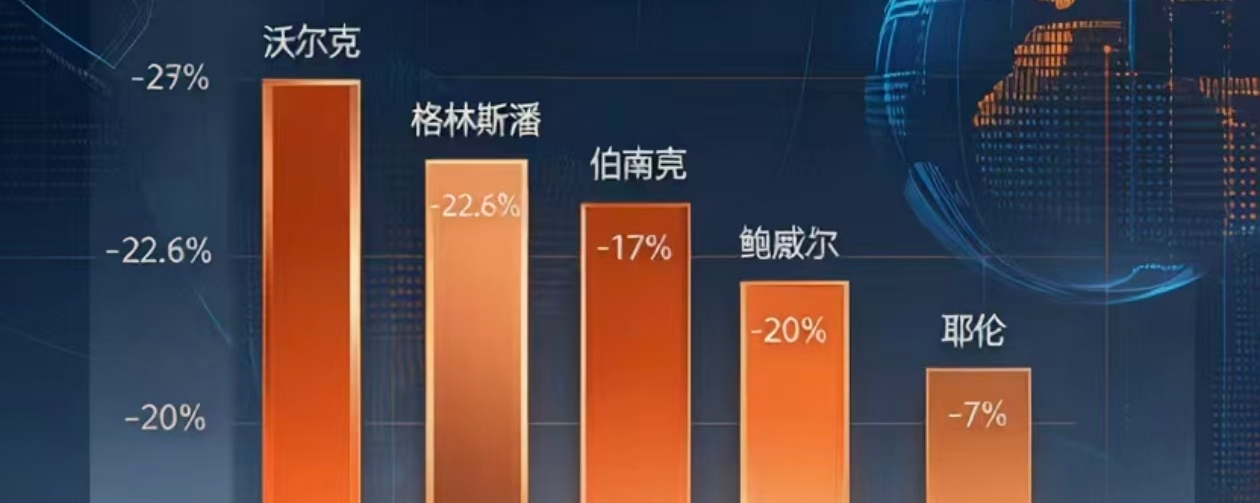
When Volcker took office in 1979, he raised rates aggressively to combat inflation, and the stock market plummeted 27% in just six months. In 1987, just two months after Greenspan took the reins, we triggered Black Monday, with the Dow crashing 22.6% in a single day. In 2006, Bernanke stepped in, and the subprime crisis hit, leading to a 17% drop in the market over six months. In 2018, Powell took over, and the market fell 20% in six months, tech stocks getting halved.
The only exception was Yellen in 2014; she's known for being dovish, and after taking office, the US stock market only dropped 7%. But have you noticed that even the most mild-mannered Fed chair can lead to a market dip? It's not a coincidence; it's a historical inevitability.
It’s simple: what the market fears isn’t the rate hikes or cuts, but uncertainty. Over the past 15 years, from Bernanke to Yellen to Powell, they’ve been using forward guidance to tell the market what to expect.
But Waller is different; he directly stated that he won't give any hints about his actions. He abolished the dot plot that had been in use for 15 years, turning the Fed from a transparent guide into a black-box operator. What does this mean?
This means the market can no longer predict the Fed's actions, and the pricing logic for global assets needs a complete overhaul. So, let’s cut to the chase about how this impacts global assets.
First off, the current rally in US stocks is nearing its peak. If the Fed’s interest rate hike expectations are released, it could very likely lead to a collapse of asset clustering, and AI might face a correction. However, after a dip, it could bounce back even higher; this AI trend has not ended.
Liquidity in the crypto space is extremely poor; funds have been drained, and naturally, it can’t stay unaffected. A plunge in US stocks could be the final drop for Bitcoin. Cherish this last opportunity to short; the risk-reward ratio for shorting Bitcoin below 60,000 isn’t high anymore.
In the short term, gold is likely to remain under pressure. Although global central banks are aggressively accumulating, we must recognize that as long as the Strait of Hormuz restricts dollar liquidity, the trend for gold won’t change anytime soon.
Lastly, A-shares will continue to face corrections in the short term, following the AI trend of US stocks. This round, A-share funding hasn’t shown signs of high-low switching; instead, it’s been a frenzy of high-level rotation within the tech sector.
So, if the Fed’s reshuffle triggers a collapse of the AI bubble, the best strategy is to lay low and wait for the market to restart and return to the main trend before positioning in stocks and Bitcoin.
Speaking plainly, US stocks need to be discounted by about 20% for the entry point to look appealing. Bitcoin hasn’t reached the bottoming phase yet, so we should patiently wait for the right moment to jump in. Just a reminder, the next three to six months will be the highest risk window; don’t blindly chase highs or try to catch the bottom.