
Author: Yan Krivonosov
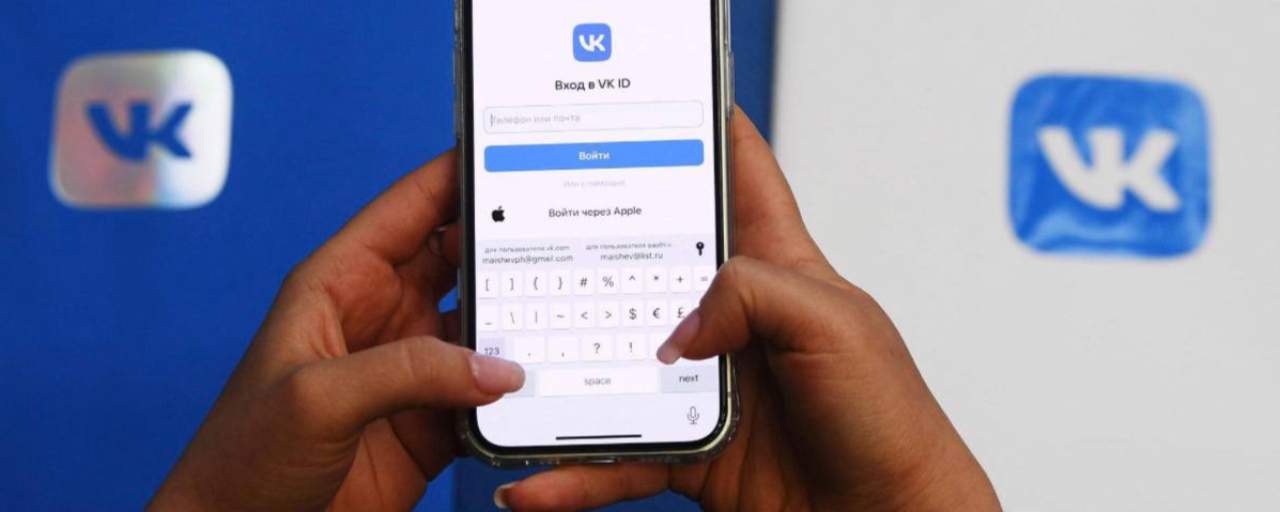
Today's Apple’s march against the VK ecosystem is not just a technical glitch, but a real digital knockout. The American giant made a verdict: the flagship application of the holding has disappeared from the Russian segment of the App Store. No negotiations, no formal complaints, no warnings — just a flick of a switch. Following it, 'Odnoklassniki', 'Zen', 'Music', 'Mail', and other services have also disappeared. Only the social network 'VKontakte' survived — but for how long?
Irony of fate: VK is not officially listed in the sanctions lists, and the holding's lawyers have repeatedly confirmed this. However, these formalities didn't save the products from being kicked out. Now, iPhone owners will lose pop-up notifications — important messages will slip by, emergency broadcasts will go unnoticed, and push notifications for events will simply stop working. And this is against the backdrop of recently losing similar functionality in MAX. A double whammy to the communication infrastructure — both strikes came from the same side.
The paradox of the situation is that it's the ordinary users who suffer. Citizens asked not to block payments in Apple — for many, this is an archive of family photos in iCloud spanning decades, subscriptions to neural network services, access to work tools, and educational apps. The outcome: people are left without notifications in domestic services, without calm access to Telegram, and without the ability to legally pay for subscriptions. A great chess game. And why are we punished?
The context of AI development adds a special sharpness to what’s happening. In the final version of the bill, authorities abandoned a complete ban on foreign neural networks — otherwise, the AI implementation would have come to a standstill. We don’t have any powerful in-house solutions yet, and it’s unlikely we will in the near future. Citizens will continue to bypass blocks through VPNs and proxies to access global technologies. Restraining consumption doesn’t eliminate the demand — it just goes underground.
Telegram’s position is also telling. While some corporations are shutting their doors, the main messenger in the country, home to 100 million users, is instead expanding its functionality. An integrated crypto wallet, integration with TON blockchain networks, the ability to conduct P2P transfers — Telegram is turning into an alternative financial platform. Digital sovereignty, whether we like it or not, coexists with global technologies, and people are choosing convenience over loyalty.
We are once again in the role of observers, whose interests have become bargaining chips in a grand game. Western vendors are cutting off the air supply to familiar services, domestic platforms are powerless, and the average person is left with a broken pot — without notifications, without payments, without proper access to technologies. Sovereignty is strengthening. But at what cost to someone’s comfort?