

The U.S. economy has been tested by a barrage of challenges in 2025, from sharply higher U.S. tariffs that drove up inflation and rattled consumer confidence, to rising unemployment amid a slowdown in hiring.
Despite those headwinds, the economy has continued to chug along, defying early-year warnings from some economists that the nation could be headed for a recession or that the Trump administration's tariffs would reignite runaway inflation.
The biggest surprise of the year has been the economy's durability, according to experts. Economic growth has surged to its fastest pace in two years, inflation has risen less than feared and the stock market has climbed to fresh highs.
"This has been another year of resilience for the economy," Oxford Economics chief U.S. economist Michael Pearce told CBS News. "The economy has grown at a pretty steady pace."
Yet Pearce hastens to add that the economy, although it has navigated some tricky waters, is "not spectacular" as the year comes to a close, assigning it a grade of a B or B-. Other experts who spoke with CBS News also graded the economy in the B range.
That may strike many consumers as generous. Three-quarters of Americans surveyed by CBS News earlier this month said they would give the U.S. economy a C, D or F, while just 25% assigned it an A or a B. Recent consumer confidence surveys also indicate that many Americans are downbeat about the economy, mainly due to stubbornly high prices.
The disconnect partly reflects the differences in how consumers and economists tend to judge the nation's economic performance. While financial pros tend to focus on macroeconomic indicators such as GDP, inflation and unemployment, consumers are more likely to assess the economy based on pocketbook issues like food prices and health care costs — both of which have risen in 2025.
The White House said the economy has improved from last year under former President Joe Biden.
"Although much work remains, the American economy is leaps... better now than it was a year ago under Joe Biden: cooled inflation, private-sector job growth, cheaper essentials like gas, lower taxes, and trillions in investments flowing in to make and hire in America," White House spokesman Kush Desai said in a statement to CBS News.
He added, "As President Trump's economic agenda continues taking effect, Americans can rest assured that 2026 will be even better."
👉A turbulent year
The economy has been marked by pronounced volatility and uncertainty in 2025, ranging from the Trump administration's wide-ranging tariffs to an alarming downturn in growth in the first three months of the year.
"It's rare that we've seen a president come in and, with a unified Congress, have such immediate impacts on the economy," Pearce said. "Not all of those are impacting the economy right away, but we've seen a lot of those policies generate a lot of uncertainty."
For instance, the Republicans' "big beautiful bill" act, signed into law by Mr. Trump on July 4, will likely impact the economy in 2026, with consumers expected to receive juicier tax refunds
Other effects of the new law could work against some consumers. Perhaps most concerning is the expiration of Affordable Care Act enhanced tax credits, which experts warn will sharply drive up health insurance premiums for millions of Americans.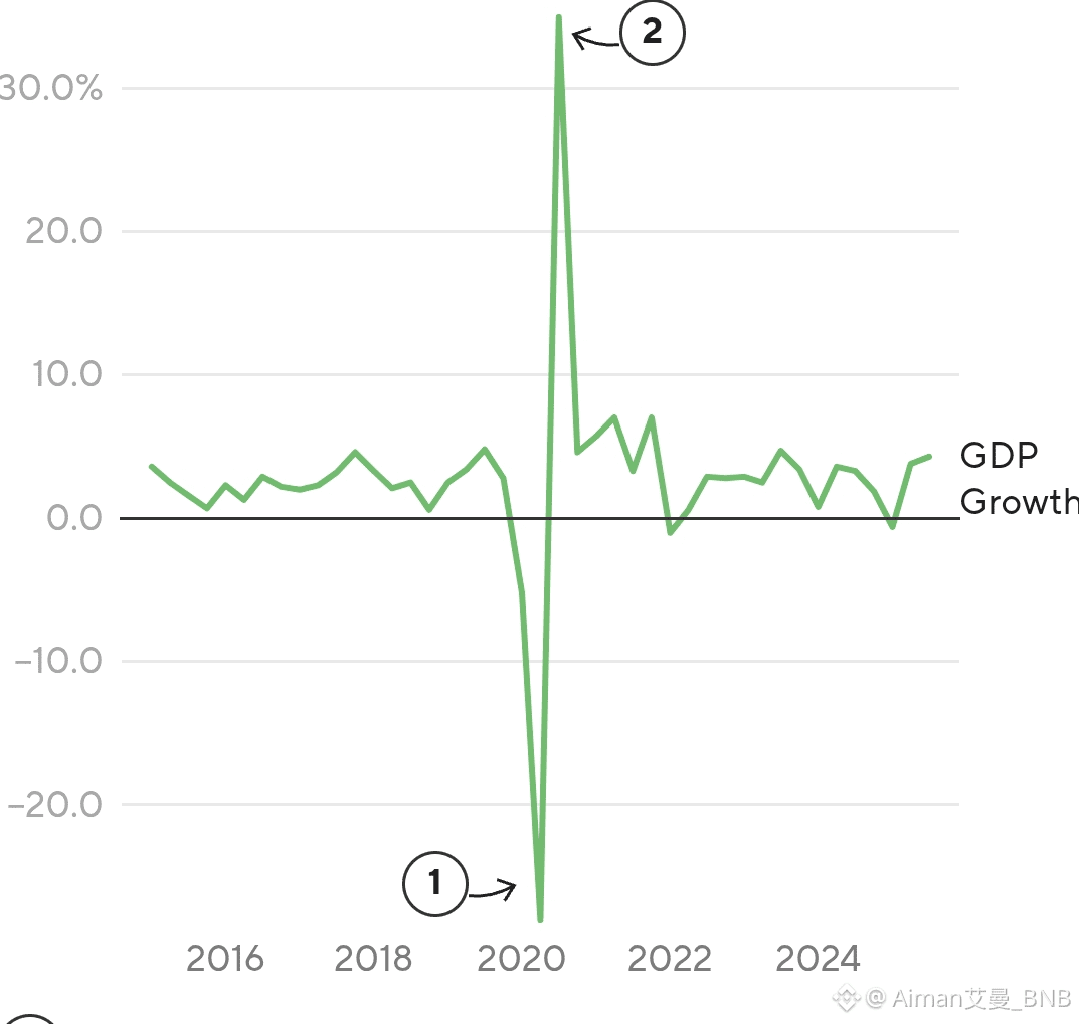
#GDP #Employment #USmarket #MarketVolatility #EconomicAnalysis